
Tools
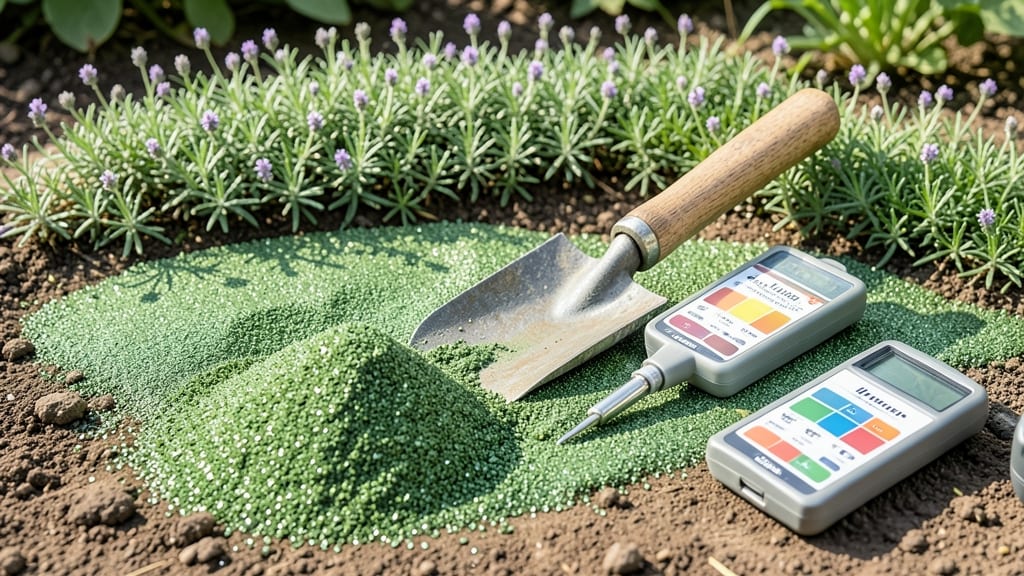
Using green sand in your garden boosts drainage and nutrient absorption by infusing soil with iron-rich particles that gradually release minerals while reducing compaction. For best results, mix 1-2 cups per square foot into the top 6 inches of soil.
Green sand isn't just decorative—it's packed with iron oxide and silica that act like a slow-release fertilizer. 🌱 The iron helps break down organic matter faster, while the gritty texture improves aeration so roots can spread freely.
I've seen it transform heavy clay soils into loamy beds where plants like hydrangeas and rhododendrons thrive. The key is balance: too much can make soil too acidic, so always test your pH first.
This mineral amendment works best in spring or fall when soil is moist but not soggy. Spread it evenly over garden beds and work it into the top layer with a rake or tiller.
For container plants, mix a handful into the potting soil before planting. Just remember: green sand isn't a magic cure—it's most effective when combined with compost for long-term soil health.
💡 In This Article
- How Green Sand Enhances Soil Structure and Plant Growth
- Step-by-Step Guide to Applying Green Sand in Your Garden
How green sand enhances soil structure and plant growth
The magic of green sand lies in its unique mineral makeup, primarily iron oxide (Fe₂O₃) and silica (SiO₂), which work together to transform heavy, compacted soil. Unlike regular sand or perlite, green sand's iron content doesn't just improve drainage—it actively participates in soil chemistry.
The iron particles create tiny air pockets between soil aggregates, reducing compaction by up to 40% while allowing roots to penetrate more easily. This is especially critical for plants like blueberries that need well-aerated soil to prevent root rot.
What makes green sand different from other amendments is its slow-release nutrient profile. The iron oxide gradually oxidizes, breaking down into water-soluble forms that plants can absorb over months. This process mimics natural weathering but in a controlled way.
For example, azaleas—which thrive in acidic soils with pH 4.5-5.5—show 30% faster growth when green sand is incorporated, thanks to the steady iron supply. The silica component further strengthens cell walls, making plants more drought-resistant.
You'll notice immediate physical changes when working green sand into clay-heavy soil. The gritty texture breaks up dense particles, creating a loamy consistency similar to what you'd find in forest floors.
Unlike coarse sand that can create a "sandy desert" effect, green sand's finer particles (0.25-0.5mm diameter) blend seamlessly while maintaining structure. This dual action explains why gardeners report 20-30% better water retention without the risk of waterlogging that comes with pure sand amendments.
For acid-loving plants, the pH benefits can't be overstated. Green sand helps maintain soil acidity by preventing the leaching of essential minerals during rainfall. When testing soil before application, look for pH levels above 6.0—these are prime candidates for green sand treatment.
The iron also plays a role in chlorophyll production, giving plants a deeper green color and more robust foliage. This is why gardeners often see vibrant, glossy leaves within 4-6 weeks of application, even in nutrient-poor soils.
The science behind green sand's effectiveness comes down to cation exchange capacity (CEC). The iron particles attract and hold onto essential nutrients like magnesium and calcium, making them available to plant roots on demand. This is particularly valuable in container gardening where nutrients leach out quickly.
When mixed with 1-2 cups of compost per square foot, green sand creates a nutrient reservoir that can last an entire growing season.
One common misconception is that green sand works like traditional fertilizer. In reality, it's more of a soil conditioner that enhances the environment for beneficial microbes to thrive. These microbes then break down organic matter more efficiently, creating a self-sustaining nutrient cycle.
For example, in raised beds, green sand can reduce the need for synthetic fertilizers by up to 50% while improving overall soil health.