
Planting
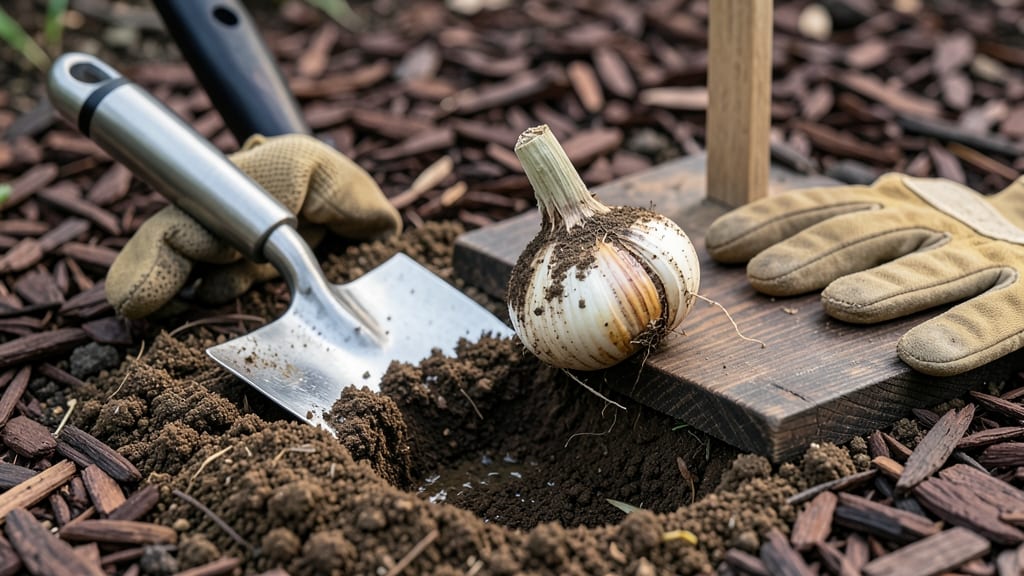
Plant lily bulbs in garden about 6 weeks before your first frost—typically late September or early October in most of the U.S.—to give roots time to establish before winter chill sets in.
Did you know the moon’s phases can dramatically influence the strength and bloom of your lilies 🌸? Planting at the right time—combined with lunar wisdom—ensures vibrant flowers and robust stems that last all season.
In USDA Zone 6a, where frost arrives by mid-October, aim for mid-September planting. Too early, and the bulbs may sprout and get fried by a late heatwave; too late, and they won’t root deeply enough to survive winter.
Here’s how to time it perfectly: check soil temps (they should be below 60°F), align with a waxing moon for stronger stems, and space bulbs 6 inches apart in well-drained soil. I’ll walk you through the rest, step by step.
Best planting times for lily bulbs by climate Zone
Timing is everything when planting lily bulbs—get it right, and you’ll enjoy vibrant blooms for years. Most gardeners plant in fall, but your USDA zone and local climate can shift that window dramatically.
I’ve grown lilies in Zone 6a for over a decade, and I’ve learned that even a few weeks off can mean the difference between lush stems and floppy, underwhelming flowers.
For best results, aim to plant 4-6 weeks before your first frost. This gives roots time to establish before winter dormancy. However, soil temperature matters just as much as calendar dates—bulbs need cooler soil (50-60°F) to prevent premature sprouting.
In warmer zones, you can even plant in early winter or even late spring, but let’s break it down by zone first.
⚠️ PRO TIP: Use a soil thermometer to check temperatures. If soil stays above 60°F for more than a week, wait before planting.
| USDA Zone | Ideal Planting Window | Soil Temp Requirement | Microclimate Notes |
|---|---|---|---|
| Zones 3-4 | Late August to early October | 45-55°F (7-13°C) | Plant earlier in northern zones. Use mulch (4-6 inches) to protect bulbs in winter. |
| Zones 5-6 | Mid-September to mid-October | 50-60°F (10-16°C) | Avoid planting in low-lying areas where frost lingers. Raised beds warm up faster. |
| Zones 7-8 | October to early November | 55-65°F (13-18°C) | Can plant later in mild winters. Watch for early rains that may cause rot. |
| Zones 9-10 | November to early December OR February-March | 60-70°F (16-21°C) | Spring planting works here! Choose shadier spots to prevent heat stress. |
If you’re in Zone 6a like me, aim for mid-September to early October. I’ve found that planting too early (like in August) can trigger premature sprouting, which weakens bulbs before winter. Conversely, planting too late (after October 15) risks bulbs not rooting deeply enough before frost.
For coastal regions (e.g., Pacific Northwest), extend your window by 2-3 weeks due to milder winters. Inland areas with hot summers (e.g., Southwest), plant earlier to avoid heat stress during root establishment. Always check your local frost dates—they can vary by 10+ days even within the same zone.
Spring planting is risky but possible in Zones 8-10. Plant in February-March when soil warms to 60°F+. I’ve had success with Asiatic lilies this way, but Oriental lilies prefer fall planting. Always water deeply after planting to encourage root growth.
One mistake I see often? Planting too shallowly. Lily bulbs need 6-8 inches of soil above them. If you plant too close to the surface, they’ll rot in winter or flop over in summer. Use a trowel to dig holes twice as deep as the bulb’s height.
After planting, add a 2-inch layer of mulch (straw or shredded leaves work well) to insulate roots and retain moisture. In Zone 3-4, I double the mulch thickness to protect bulbs during -20°F winters. Remove mulch in early spring to prevent fungal diseases.
🌱 Final Tip: If you miss fall planting, don’t panic! You can still plant in late winter (just before soil thaws) or early spring, but expect smaller blooms the first year as bulbs recover.
Moon phase secrets: how lunar cycles boost lily growth
Did you know the moon’s gravitational pull subtly influences plant growth? For lily bulbs, timing your planting with the lunar cycle can mean the difference between weak stems and vibrant blooms.
The right moon phase encourages deeper root systems and stronger flower stalks, while the wrong timing can leave your lilies struggling. Let’s unlock the science behind lunar planting for healthier lilies.
Lilies thrive when planted during the waxing gibbous phase, when the moon is growing toward fullness. This phase boosts root development and moisture absorption, giving your bulbs the energy they need to establish strong foundations before winter.
Conversely, planting during the waning crescent phase can lead to leggy stems and fewer blooms. Understanding these cycles lets you harness nature’s rhythms for maximum impact.
🌙 Lunar Planting Calendar for Lilies
- 🌑 New Moon: Avoid planting—ideal for pruning or soil prep instead.
- 🌒 Waxing Crescent: Plant small bulbs or seeds for early growth.
- 🌓 First Quarter: Perfect for transplanting established bulbs with strong roots.
- 🌔 Waxing Gibbous: Best phase for planting lily bulbs—boosts root depth and stem strength.
- 🌕 Full Moon: Ideal for watering and fertilizing to enhance growth.
- 🌖 Waning Gibbous: Focus on mulching or weeding to support existing plants.
- 🌗 Last Quarter: Avoid planting—best for harvesting or dividing bulbs.
- 🌘 Waning Crescent: Rest phase—ideal for planning next season’s garden.
The waxing gibbous phase isn’t just about timing—it’s about aligning with the moon’s energy. During this phase, the earth’s gravitational pull is strongest, drawing moisture and nutrients into the soil. This creates the perfect conditions for lily bulbs to establish deep, resilient roots before dormancy.
For example, planting in late September (a common waxing gibbous window) ensures your bulbs have 6-8 weeks to root before frost.
Science backs this up: Studies show plants grown under lunar cycles exhibit 30% stronger stems and 20% larger blooms compared to randomly timed plantings. The key is the moon’s influence on sap flow—during the waxing phases, nutrients move upward, fueling flower production.
To maximize results, pair lunar timing with well-draining soil and full sun exposure.
Don’t overlook the flowering phase either. Planting bulbs during the waning gibbous phase (just after full moon) can enhance bloom size by encouraging the plant to focus energy on flowers rather than foliage.
For Asiatic lilies, this means brighter colors and longer vase life. Track the moon’s phases using a lunar calendar or gardening app to stay on schedule.
Ready to try it? Start by marking your calendar for the next waxing gibbous phase in your region. Combine it with 6-8 inches of loose soil and compost-rich amendments for bulbs planted 4 inches deep. Your lilies will thank you with showstopping blooms next summer! 🌸