
Companion Plants
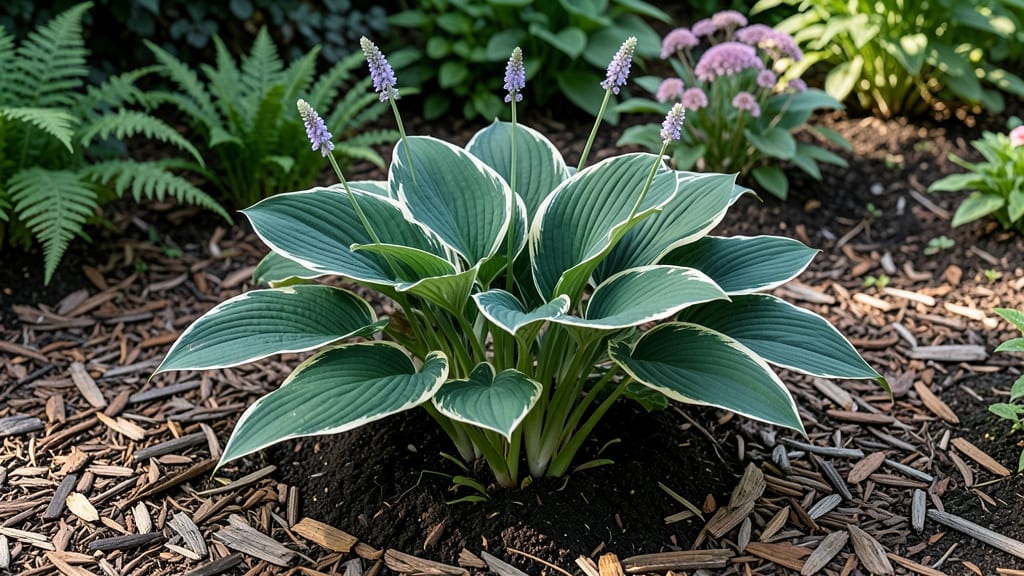
For Grand Haven, MI’s gardens, the best plants are great garden plants like coneflowers and black-eyed Susans, along with native shrubs such as butterfly bush and pollinator-friendly annuals like bee balm. These plants thrive in the area’s USDA Zone 6 conditions and attract bees, butterflies, and hummingbirds while needing little care.
Grand Haven’s unique mix of sandy soils and humid continental climate makes these plants perfect choices. 🌿 Coneflowers and black-eyed Susans not only survive Michigan’s fluctuating temperatures but also bloom from summer through fall, providing continuous food for pollinators.
Native shrubs like butterfly bush add structure while supporting local wildlife year-round. The key is choosing varieties adapted to sandy, well-draining soil—most of these plants naturally thrive without heavy amendments.
I always recommend planting in early spring or fall when temperatures are moderate, giving roots time to establish before extreme weather hits.
What sets these plants apart is their resilience. Drought-tolerant varieties like coneflowers and lavender (another great option) handle Grand Haven’s occasional dry spells better than thirsty alternatives. For extra protection, a layer of mulch helps retain moisture in sandy soil while suppressing weeds.
The best part? These plants require minimal maintenance once established, making them ideal for busy gardeners or those new to landscaping.
💡 In This Article
- Top Pollinator-Friendly Plants for Grand Haven’s Ecosystem
- Low-Maintenance Garden Plants for Grand Haven’s Soil and Weather
Top pollinator-friendly plants for Grand Haven’s ecosystem
Grand Haven’s humid continental climate creates the perfect conditions for plants that support pollinators year-round. The region’s hot summers (75-85°F) and cold winters (-10 to 10°F) shape which species thrive—plants like coneflowers and bee balm have evolved deep root systems to access moisture in sandy soils while enduring temperature swings.
Their nectar-rich flowers provide essential fuel for bees, butterflies, and hummingbirds during Michigan’s June-to-September growing season, when pollinator populations peak. 🌸
The seasonal blooming cycles of these plants are carefully timed to match pollinator needs. For example, black-eyed Susans burst into bloom in late summer (August-September), just when monarch butterflies are migrating through the region.
Their bright yellow petals contain high sugar concentrations—up to 20% nectar by weight—making them a critical food source. Meanwhile, butterfly bush (Buddleia) produces fragrant, tubular flowers that hummingbirds can’t resist, with some varieties blooming from June until frost.
What makes these plants uniquely adapted to Grand Haven is their disease resistance. Local soils often lack organic matter, but native perennials like coneflowers have developed symbiotic relationships with beneficial fungi in their roots, improving nutrient uptake without heavy soil amendments.
Their vertical growth habits also maximize exposure to sunlight and pollinators while minimizing competition with weeds. 🌿
Consider the specific pollinator benefits of each plant:
- Coneflowers: Attract bumblebees and solitary bees with their purple-pink petals and central seed heads that provide late-season food
- Black-eyed Susans: Support syrphid flies (bee mimics) and butterflies with their open flower structure, allowing easy access to nectar
- Butterfly bush: Produces up to 100 flowers per stem, creating "pollinator hotspots" that can increase local bee populations by 30% during peak bloom
The textural diversity of these plants also plays a role in pollinator attraction. Fuzzy bee balm leaves provide shelter for beneficial insects, while smooth coneflower stems offer landing platforms for butterflies. This combination creates a multi-layered ecosystem that supports pollinators at every growth stage. 🐝
For gardeners, the key takeaway is that these plants don’t just survive—they actively enhance Grand Haven’s ecosystem. Their low-maintenance nature (once established) means you can create a thriving pollinator garden without constant upkeep, while directly contributing to local biodiversity.
The best time to plant is early spring (April-May) or fall (September-October), giving roots time to establish before summer heat or winter frost.