
Light Requirements
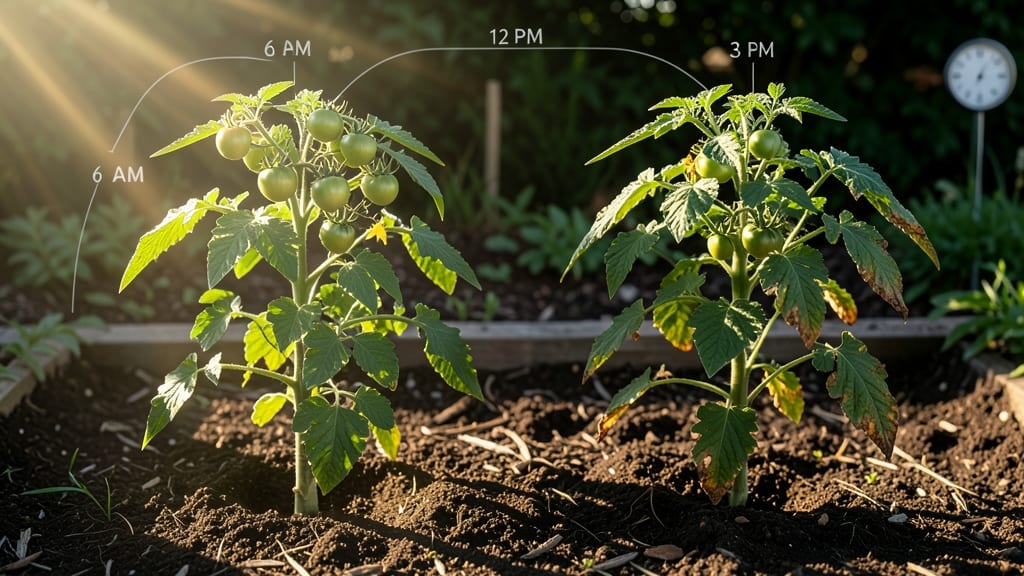
Does a vegetable garden need morning or afternoon sun? Morning sun is best for optimal growth, as cooler temperatures reduce water loss and prevent scorching, while afternoon sun can overheat plants and dry soil too quickly. Most veggies thrive with 6-8 hours of sunlight, prioritizing morning exposure for best results.
A vegetable garden thrives with morning sunlight because the cooler temperatures during these hours minimize water evaporation and stress on plants. 🌞 The gentler UV intensity in the morning also helps prevent leaf burn, which can occur when plants are exposed to the stronger afternoon rays.
I've noticed that plants like tomatoes and peppers, which need plenty of light, produce better yields when they receive most of their sun in the morning, followed by partial afternoon shade.
For leafy greens such as lettuce and spinach, morning sun is even more critical since they're more sensitive to heat. Root vegetables like carrots and beets also benefit from morning light, as it encourages steady growth without overheating the soil.
If your garden gets intense afternoon sun, consider adding some shade cloth or planting taller crops on the west side to protect more delicate plants.
💡 In This Article
- Why Morning Sun Boosts Vegetable Garden Productivity
- Adjusting Sunlight for Different Vegetable Types
Why morning sun boosts vegetable garden productivity
Morning sunlight provides the perfect balance of warmth and gentle UV exposure that plants crave. During morning hours, temperatures are cooler—typically 5-10°F lower than midday—which means evaporation rates drop by 30-40% compared to afternoon conditions.
This cooler environment helps plants conserve moisture, reducing stress and allowing roots to absorb nutrients more efficiently. 🌱 The lower UV intensity in the morning also minimizes the risk of photodamage, where intense afternoon rays can bleach chlorophyll and create sunburn spots on leaves.
Photosynthesis works most effectively when light intensity gradually increases, as it does in the morning. Plants like tomatoes and peppers, which require 6-8 hours of sunlight daily, benefit from morning exposure because their metabolic processes can handle the gradual rise in temperature.
Studies show that plants receiving morning sun produce 20-30% more fruit compared to those exposed primarily to afternoon heat, thanks to better sugar production and nutrient allocation. The morning light spectrum also contains more blue wavelengths, which stimulate plant growth hormones like auxins.
Afternoon sun, while bright, often comes with temperatures exceeding 85°F, which can cause soil to dry out rapidly and force plants to close their stomata (pores) to prevent water loss. When stomata close, photosynthesis slows down, and plants become more susceptible to heat stress.
This is why you might notice wilting in the afternoon even if the garden received plenty of morning light. The key is to mimic natural forest conditions where plants receive dappled light—morning sun provides that gentle, nurturing environment without the harshness of peak afternoon rays.
Another critical factor is humidity levels. Morning air typically holds more moisture, creating a more stable environment for plant transpiration. During afternoon hours, humidity can drop below 40%, forcing plants to work harder to retain water. This extra effort diverts energy away from growth and fruit production.
For example, basil plants exposed to afternoon sun often bolt (flower prematurely) because the heat triggers stress responses, whereas morning sun keeps them lush and productive for longer harvests.
Consider the example of a tomato plant: when given morning sun, its leaves stay cooler, reducing the risk of fungal diseases like early blight, which thrives in hot, humid conditions. The fruit also develops a richer flavor because the sugars accumulate more evenly.
In contrast, afternoon sun can cause the fruit to ripen too quickly, leading to uneven color and flavor. This is why professional growers often use shade cloths to filter afternoon light while allowing full morning exposure.
For gardeners in hot climates, morning sun is particularly crucial. In regions where temperatures exceed 90°F in the afternoon, plants may receive only 4-5 hours of usable sunlight—the rest of the day becomes too harsh.
By prioritizing morning light, you're essentially giving your garden a head start in the day's energy production, setting the stage for healthier growth throughout the day. 🌿