
Tools
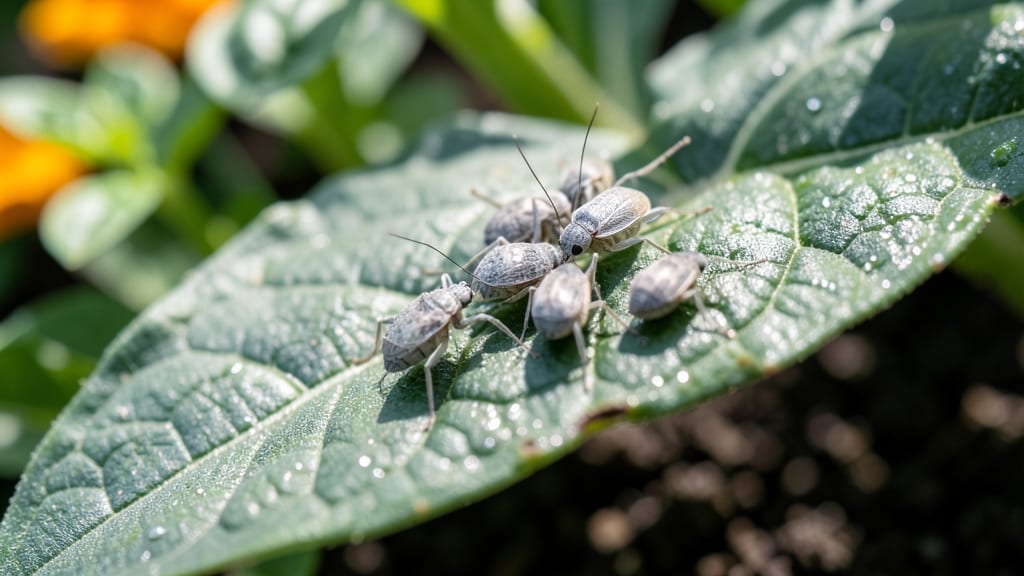
Gray bugs in your garden 🐜 are more than just a nuisance—they can silently damage your plants and turn your hard work into a battleground.
Discovering tiny gray invaders crawling through your soil or clinging to leaves can feel like a nightmare, but the good news is that most of these pests have simple, natural solutions. Whether it’s aphids, fungus gnats, or earwigs, knowing how to spot them early makes all the difference.
Below, I’ll walk you through how to identify these five common gray bugs, along with effective organic fixes that protect your garden without harsh chemicals. No more guessing—just clear, actionable steps to keep your plants thriving.
From preventive tips to quick remedies, you’ll learn how to stop infestations before they start and restore balance to your garden naturally.
5 Common gray garden bugs and how to identify them visually
Spotting gray bugs in your garden can feel like a mystery—until you know what you're looking at. These tiny pests often go unnoticed until they're causing damage to your favorite plants.
The key to quick action is accurate visual identification, so you can choose the right treatment before they spread.
From aphids to earwigs, gray bugs come in different shapes and sizes, each targeting specific parts of your garden. Understanding their unique features—like body shape, movement patterns, and preferred plants—helps you act fast.
Let’s break down the five most common gray garden bugs and how to spot them.
Visual identification starts with a magnifying glass and a flashlight. Check the underside of leaves, new growth tips, and soil surface for signs of these pests. Many gray bugs leave behind sticky residue or webbed silk, which are dead giveaways. Here’s what to look for:
Gray aphids are tiny oval-shaped insects that cluster on the undersides of leaves, often leaving behind a sticky honeydew. They’re most active on soft-stemmed plants like roses and beans. Look for curled leaves or black sooty mold growing on their waste.
If you spot tiny flying insects hovering near your houseplants or seedlings, you’re likely dealing with fungus gnats. Their larvae thrive in moist soil, so reduce watering and let the topsoil dry out between waterings. These pests are especially problematic in indoor gardens.
Mealybugs are easy to miss because they blend into the cottony white fluff they produce. Check the leaf axils and stem crevices of your citrus trees or succulents. These pests suck sap, causing yellowing leaves and stunted growth. A damp cotton swab can help remove them.
Don’t confuse spider mites for actual spiders—they’re barely visible to the naked eye! Use a hand lens to spot their fine webbing on leaves, especially on drought-stressed plants. These pests thrive in hot, dry conditions, so keep your garden well-watered to deter them.
Earwigs are the largest on this list, with their distinctive pincers and flat bodies. They hide under mulch, rocks, or board mulch during the day and come out at night to feed on soft plant tissue. If you find them in your garden, they’re likely there to munch on flowers or vegetable leaves.
Now that you can identify these gray bugs, your next step is to choose the right treatment. Many of these pests respond well to natural remedies, so you won’t need harsh chemicals to keep your garden thriving.
Stay tuned for our next section on organic solutions to tackle these pests effectively!
Natural remedies for eliminating gray bug infestations without chemicals
When gray bugs invade your garden, reaching for chemical pesticides might feel like the only solution—but it doesn’t have to be. These natural remedies are just as effective, safer for your plants, and better for the environment.
The key is acting quickly and using targeted methods that disrupt the pests' life cycles without harming beneficial insects or your pets.
Start with neem oil, a powerhouse for controlling soft-bodied insects like aphids and mealybugs. It disrupts their feeding and reproduction while being completely organic. For larger infestations, combine neem oil with insecticidal soap, which works on contact by breaking down the bugs' protective layers.
Always test these solutions on a small plant area first to avoid damage.
For a long-term solution, try companion planting. Marigolds, basil, and garlic are natural repellents that confuse and deter gray bugs like spider mites and fungus gnats.
Plant these near your vulnerable crops—like tomatoes or peppers—to create a protective barrier. This method is especially effective when combined with regular pruning to remove infested leaves.
DIY sprays are another great option. Mix 1 tablespoon of dish soap (preferably castile) with 1 quart of water and a few drops of essential oils like peppermint or rosemary.
Spray this solution directly on the bugs in the early morning or late evening to avoid harming bees and other pollinators. Reapply every 3-5 days until the infestation clears.
If you're dealing with fungus gnats, focus on drying out the soil. These pests thrive in moist conditions, so reduce watering frequency and ensure containers have drainage holes. Adding a thin layer of sand or perlite to the top of potted plants can also deter them from laying eggs.
For existing larvae, introduce beneficial nematodes, microscopic worms that target only the pests.
Always prioritize pet safety when using natural remedies. Avoid diatomaceous earth around pets, as inhaling it can irritate their lungs. Stick to neem oil or insecticidal soap, which are non-toxic when used correctly.
For extra protection, wear gloves and apply treatments on calm days to prevent drift onto nearby lawns or flower beds.