
Tools
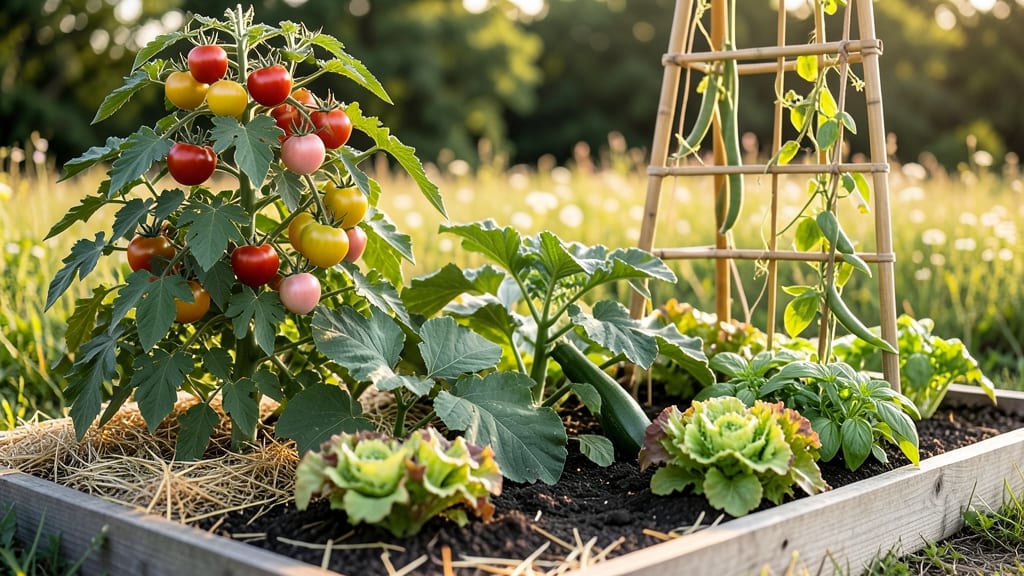
Creating a grandma's garden picture means focusing on sunlit flower beds bursting with heirloom roses, weathered wooden trellises, and soft morning light that bathes everything in golden warmth. Add vintage touches like old-fashioned watering cans or woven baskets overflowing with fresh-cut blooms to complete the nostalgic scene.
These photos work because they tell a story—one of quiet afternoons spent among blooms and the simple joys of gardening. 🌸 The key is balancing vibrant colors with muted textures, like pairing deep red roses with a weathered stone path or a rustic wooden fence.
I always look for natural frames in the garden itself, like arching branches or a carefully placed bench, to guide the viewer's eye and create depth.
Seasonal adjustments matter too. Spring brings fresh greenery and tulips, while summer offers lush roses and sunflowers. In fall, dried grasses and pumpkins add cozy warmth. The goal is to capture that lived-in, loved-for-decades feeling that makes these photos feel like stepping into a cherished memory.
💡 In This Article
- Key Elements for Authentic Grandma’s Garden Photos
- Styling Tips to Enhance Vintage Garden Vibes
Key elements for authentic grandma's garden photos
The heart of any nostalgic garden photo lies in its color palette, which should evoke warmth and timelessness. Grandma's gardens often featured heirloom roses in deep pinks, crimson, and creamy whites—colors that stand out against the softer hues of lavender, hydrangeas, and peonies.
These flowers weren't just planted; they were cultivated for their scent and texture too, with petals that feel almost velvety to the touch and fragrances that linger in the air. 🌹 The secret is to include at least three complementary colors in each shot, like pairing yellow roses with green foliage and blue delphiniums.
Texture plays an equally vital role, creating that tactile nostalgia. Think about the rough bark of apple trees, the weathered planks of wooden fences, or the smooth stones of garden paths. These elements add depth and contrast to the scene.
For example, a split-rail fence with its natural silver and brown tones creates perfect vertical lines that guide the viewer's eye, while a stone pathway adds grounding horizontal elements. Even the dirt between flower beds should look intentionally trodden—not perfectly neat, but lived-in, with subtle footprints or scattered petals.
Framing techniques bring these elements together to tell a story. The most effective shots use leading lines—think of a winding garden path that draws you into the scene or a trellis covered in climbing roses that frames the background.
Depth is created by placing subjects at different distances: a foreground bench with a mid-ground rose bush and a background fence.
This technique mimics how our eyes naturally focus on different distances, making the photo feel more dynamic. 🌿 The golden rule is to always include at least one element that creates a natural frame, like arching branches or a carefully placed garden gate.
Seasonal adjustments transform the garden's appearance throughout the year. In spring, focus on fresh tulips and daffodils with their bright pops of color against new green leaves. Summer gardens shine with sunflowers and zinnias, their bold blooms contrasting with the deep greens of foliage.
For autumn, dried grasses, pumpkins, and chrysanthemums add warmth, while winter offers the quiet beauty of bare branches dusted with frost or evergreens like holly. Each season provides a different palette to work with, so adjust your composition accordingly.
Lighting is the final piece of the puzzle. The best time for garden photos is during the golden hour—that magical hour after sunrise or before sunset—when the light is soft and warm, casting long shadows that add dimension. Avoid harsh midday light, which creates unflattering contrasts.
If you're shooting in overcast conditions, look for diffused light that softens textures and creates a dreamy atmosphere. Pro tip: Position your subject so the light hits them from the side, creating gentle shadows that enhance their three-dimensional form. 🌅
What truly makes these photos timeless is the story they tell. Every element—from the vintage watering can in the corner to the handwritten garden journal peeking from a bench—should feel like a piece of a larger narrative.
The goal isn't perfection; it's capturing the imperfect beauty of a garden that's been loved for decades. That's the magic of grandma's garden pictures. ✨