
Container Gardens
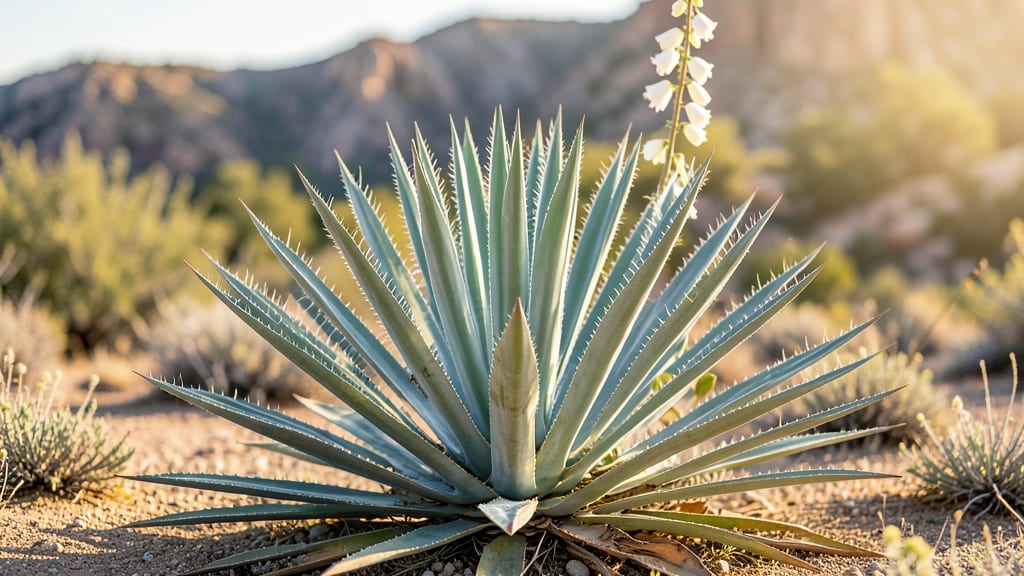
The New Mexico Botanical Garden features over 4,000 plant species across 23 acres, blending desert landscapes with themed gardens like the Japanese Garden and Water Conservation Garden. Spring through fall is ideal for vibrant displays and guided tours.
The New Mexico Botanical Garden is a living classroom for desert ecology, where every season reveals new wonders. 🌵 In spring, wildflowers like penstemon and blanket flower burst into color, while summer showcases drought-resistant agave and ocotillo thriving in the arid climate.
What makes this garden special is its commitment to native plant conservation—many species you'll see are critical to New Mexico's ecosystems. Whether you're a plant enthusiast or just love scenic walks, the garden's themed areas offer something unique at every turn.
For the best experience, plan your visit around the Desert Bloom Festival in spring, when the garden hosts special tours and workshops. The Water Conservation Garden is a must-see year-round, demonstrating sustainable landscaping techniques that work beautifully in the Southwest.
Pro tip: Weekday mornings are less crowded, giving you more time to explore hidden corners like the Japanese Garden or the native plant collections.
💡 In This Article
- Seasonal Plant Highlights in New Mexico Botanical Garden
- Visitor Guide: Best Times, Tours, and Hidden Gems
Seasonal plant highlights in New Mexico botanical garden
The New Mexico Botanical Garden thrives because its plant selection is perfectly adapted to the state's arid climate, where annual rainfall averages just 10-12 inches and temperatures swing from 90°F in summer to near freezing in winter.
The garden's foundation lies in native species that have evolved to store water in thick stems (like agave) or deep root systems (yucca), allowing them to survive with minimal irrigation. 🌵 This adaptation isn't just about survival—it's a living demonstration of how plants and ecosystems co-evolve in extreme conditions.
Spring transforms the garden into a riot of color thanks to ephemeral wildflowers that bloom after winter rains. Penstemon, with its tubular red and purple flowers, attracts hummingbirds with its nectar-rich blooms, while blanket flower (Gaillardia) spreads vibrant yellow and red petals across the landscape.
These plants rely on New Mexico's cool winter dormancy followed by warm spring temperatures to trigger their rapid growth cycle—something you won't see in more temperate climates where flowers bloom gradually.
Summer showcases the garden's drought-resistant champions like ocotillo, whose spiny stems store water and burst into dramatic red blooms after rare summer rains. The agave collection demonstrates another survival strategy: storing water in its thick, fleshy leaves that can hold up to 50% of their weight in moisture.
These plants often grow in rocky soils where water drains quickly, proving how New Mexico's native flora has mastered water conservation long before modern techniques existed.
Fall and winter reveal the garden's evergreen backbone with pinyon pine and juniper trees, whose needle-like leaves reduce water loss while providing year-round structure. The juniper's aromatic foliage even repels pests naturally—a perfect example of multi-functional plant adaptations.
What's fascinating is how these evergreens maintain their green color through winter by producing antifreeze proteins in their cells, preventing ice crystal formation that would damage their tissues.
Beyond aesthetics, the garden's plant collections serve critical conservation purposes. Many species here are endangered in the wild, including the New Mexico thistle and cliffrose, which are being propagated for reintroduction programs.
The botanical garden acts as a genetic bank, preserving these plants before they disappear from their natural habitats due to climate change and development.
For plant lovers, the garden's seasonal displays offer educational opportunities too. In spring, guided tours explain how wildflowers time their blooms with pollinator activity, while summer tours focus on the symbiotic relationships between plants and desert animals.
This isn't just a pretty landscape—it's a working ecosystem where every plant plays a role in the larger story of desert survival. 🌿