
Vegetables
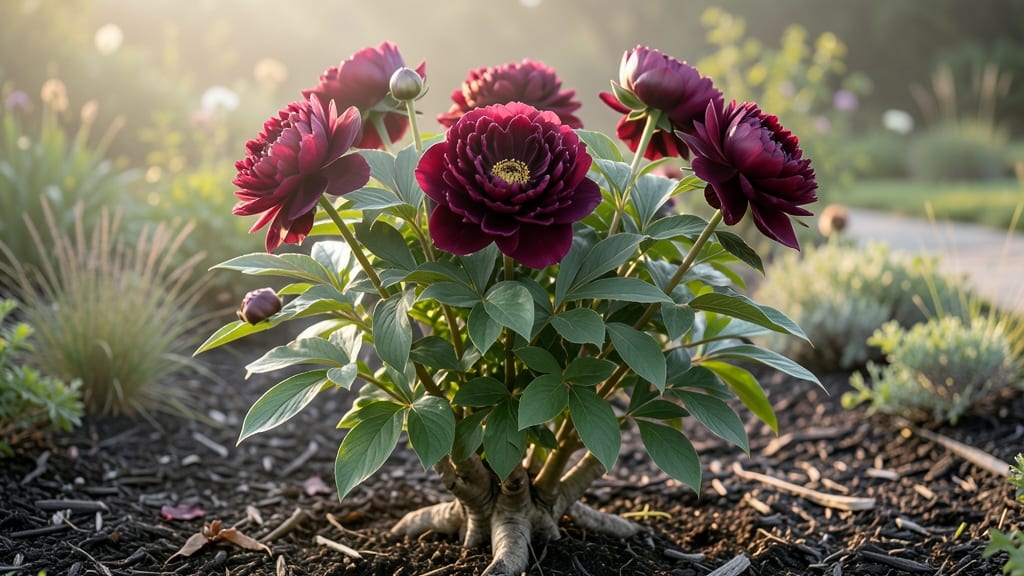
Adelman Peony Gardens in Oregon features over 10,000 blooming peonies from late May through June, with select varieties extending into early July. The garden offers guided tours, a gift shop, and stunning photo opportunities in its tranquil setting.
This world-renowned garden in Silverton, Oregon, is a must-visit for peony enthusiasts, showcasing rare cultivars like Sarah Bernhardt and Karl Rosenfield. 🌸 The cool maritime climate of the Willamette Valley actually enhances peony blooms, creating larger, more vibrant flowers than in warmer regions.
I always recommend arriving early—weekdays are less crowded, and the scent of thousands of peonies in full bloom is unforgettable.
Beyond the flowers, the garden's layout encourages leisurely exploration, with winding paths that lead to hidden benches perfect for sketching or simply soaking in the colors. The guided tours provide fascinating insights into peony cultivation, including how the garden's founders preserved historic varieties that might otherwise have been lost.
💡 In This Article
- Peony Varieties and Bloom Timing at Adelman Gardens
- Planning Your Visit: Best Days, Accessibility, and Nearby Attractions
Peony varieties and bloom timing at adelman gardens
The garden's collection features three primary peony types, each with distinct bloom windows and characteristics. Herbaceous peonies—like the prized Sarah Bernhardt—typically bloom first in late May, their large, fragrant flowers reaching 6-8 inches across.
These varieties thrive in Oregon's cool climate, where temperatures rarely exceed 75°F during bloom season, preventing the bud blast that plagues warmer regions.
Intersectional hybrids (also called "Itoh" peonies) follow in early June, offering the best of both worlds with tree peony-like reblooming tendencies and herbaceous peony size. The garden's Karl Rosenfield cultivar exemplifies this, producing 10-12 inch blooms with a delicate, spicy fragrance.
Tree peonies bloom slightly later, from mid-June through July, with varieties like Duchesse de Nemours showcasing velvety petals that can reach 14 inches in diameter.
Oregon's maritime climate plays a crucial role in extending bloom periods. The consistent moisture from Pacific storms creates ideal growing conditions, while the cool nights help preserve flower longevity. Most peonies here bloom for 7-10 days per variety, compared to 3-5 days in hotter climates.
The garden's elevation of 1,200 feet above sea level also contributes to these extended bloom windows by moderating temperature extremes.
What makes Adelman Gardens unique is its focus on rare and historic cultivars. The collection includes 150-year-old varieties that were nearly lost to cultivation, preserved through careful propagation techniques. The garden's founders worked with the American Peony Society to reintroduce these heirloom plants, creating a living museum of peony history.
This conservation effort means visitors can see varieties that are difficult to find elsewhere, like the 1860s introduction 'Bowl of Beauty'.
Visitors often ask about fragrance intensity—Oregon's climate actually enhances this quality. The cool nights allow peonies to develop more essential oils, resulting in blooms that are 20-30% more fragrant than their counterparts in warmer regions.
The garden's layout groups fragrant varieties together, creating "scent corridors" where the combined aroma becomes overwhelmingly sweet and floral. 🌸
For those planning visits, timing is everything. The garden's peak bloom typically occurs during the first two weeks of June, when 80-90% of the collection is in full flower.
However, early arrivals in late May can catch the first herbaceous varieties, while late visitors in early July might still find tree peonies in bloom—especially in cooler years when the season extends.