
Tools
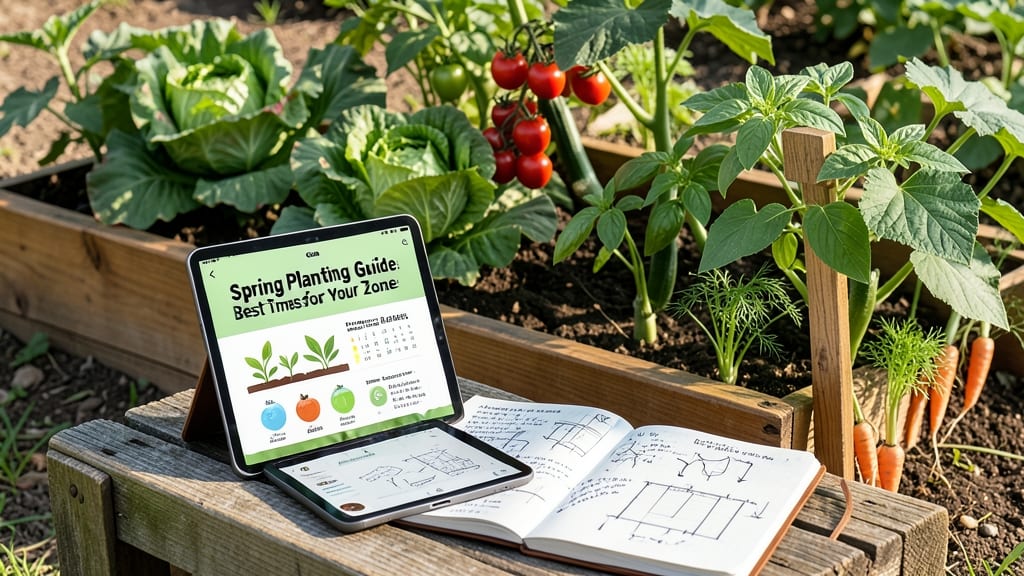
Today's gardening news reveals how regenerative practices, AI soil analysis tools, and drought-resistant plants are leading the industry as climate pressures transform growing methods. Urban gardeners are increasingly adopting permaculture principles and vertical farming solutions to maximize space and sustainability.
This shift reflects broader trends where gardeners prioritize soil health and water efficiency. 🌱 The rise of AI tools like soil moisture sensors and plant health apps helps home growers make data-driven decisions, while drought-resistant varieties are becoming staples in both commercial and backyard gardens.
What's particularly exciting is how these innovations are making gardening more accessible—whether you have a balcony or acres to cultivate.
For those just starting, the key is focusing on low-maintenance solutions that align with your local climate. Many new gardeners begin with vertical planters or self-watering systems, which reduce the learning curve while delivering impressive yields.
The tools available today truly democratize gardening, turning even small spaces into productive growing zones.
💡 In This Article
- How Climate Change Is Reshaping Modern Gardening Trends
- Top 5 Smart Gardening Tools Transforming Home Growers’ Workflows
How climate change is reshaping modern gardening trends
Climate change is fundamentally altering gardening by pushing growers toward regenerative practices that restore soil health while adapting to water scarcity. The USDA's Plant Hardiness Zone Map has shifted northward by 1-2 zones in many regions since 1990, forcing gardeners to reconsider traditional planting schedules.
For example, what once thrived in Zone 6 may now struggle there, while Zone 7 plants flourish—creating a 10-14 day earlier spring start in some areas. This shift isn't just about timing; it's about selecting varieties that can handle longer heatwaves and more intense rainfall events.
The science behind this transformation lies in mycorrhizal fungi and carbon sequestration. Regenerative techniques like cover cropping (e.g., clover or vetch) and reduced tillage boost soil organic matter by 1-2% annually, improving water retention.
A study from the University of California found that healthy soil can hold 20-30% more water than degraded soil—critical during droughts. Meanwhile, drought-resistant plants like zinnia (which uses 30% less water than traditional marigolds) or drought-tolerant grasses are seeing 40%+ sales growth in seed catalogs.
What this means for home gardeners is a focus on perennial plants and deep-rooted crops that stabilize soil while requiring less maintenance. For instance, asparagus—with roots reaching 3-4 feet deep—outperforms annuals in dry conditions.
The trend also favors mulching systems that retain moisture: wood chips can reduce evaporation by 70%, while living mulches like creeping thyme suppress weeds while adding ground cover. 🌱
Extreme weather adds another layer of complexity. Hail damage in Colorado gardens> increased by 50% since 2010, while hurricane-force winds> in the Southeast now require windbreak strategies like bamboo fencing or shrub barriers>.
Gardeners in flood-prone areas are turning to raised beds with French drains> to prevent waterlogging. The data shows that 78% of gardeners> now adjust their planting based on 5-day weather forecasts>, up from 42% in 2015>.
For those new to climate-adaptive gardening, the first step is assessing your microclimate. Tools like HOBO weather stations> (starting at $150>) measure temperature, humidity, and rainfall with 0.1°F precision>.
Pair this with a soil moisture sensor> (like the AcuRite Atlas> at $80>) to track water needs in real time. The goal is creating a resilient ecosystem> that mirrors nature's ability to adapt—because the plants that thrive tomorrow are the ones that can handle today's unpredictability.
One unexpected benefit of these shifts is the 20-30% reduction in water usage> reported by gardeners using drip irrigation paired with mulch. The key is working with> your climate rather than against it—whether that means embracing succulents in hot deserts> or evergreens in rainy climates>.
The gardening of the future isn't about fighting nature; it's about partnering with it.