
Companion Plants
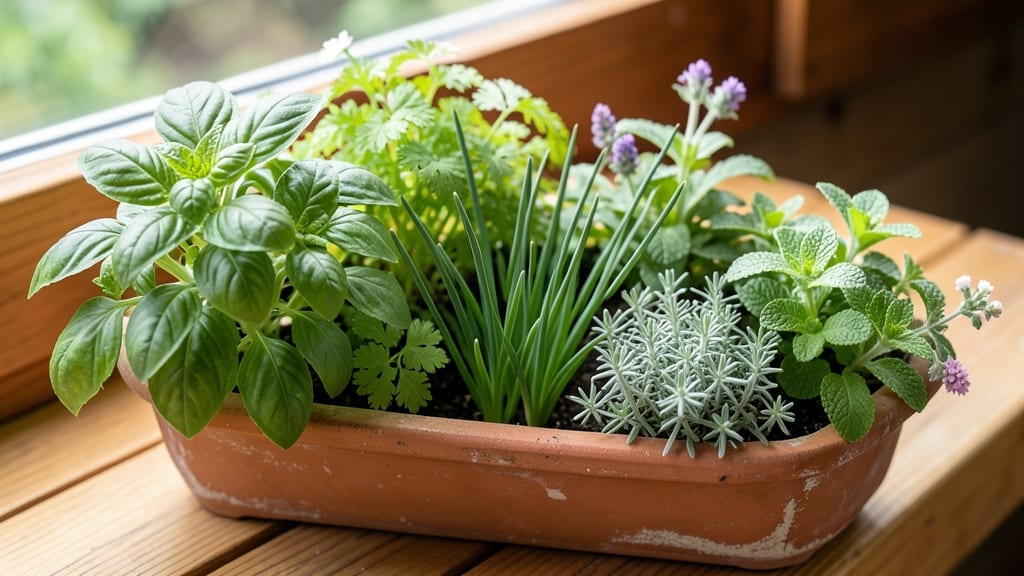
Good little garden plants thrive with minimal care, making them perfect for busy gardeners. Try succulents like sedum or echeveria, hardy herbs such as thyme or oregano, or resilient perennials like lavender and creeping thyme for year-round greenery with almost no upkeep.
These easy-care plants excel because they demand little water, resist pests, and adapt to various conditions. 🌱 For example, sedum and echeveria store moisture in their leaves, while thyme and oregano thrive in poor soil with just a few hours of sunlight daily.
Lavender's drought tolerance makes it ideal for sunny spots, and creeping thyme spreads effortlessly to fill gaps in garden beds. The secret to their success lies in their natural resilience—once established, they bounce back from neglect, making them perfect for gardeners who want beauty without the daily fuss.
If you're short on time but love fresh greenery, these plants deliver year-round interest with almost zero effort. Whether you're working with containers, sunny borders, or shaded corners, there's a low-maintenance option that fits your space and lifestyle.
The key is choosing varieties that match your growing conditions—sun-loving lavender or shade-tolerant creeping thyme—so you can enjoy a thriving garden without the high-maintenance routine.
💡 In This Article
- Why These Plants Survive with Minimal Effort
- Best Low-Maintenance Plants for Shade, Sun, and Containers
Why these plants survive with minimal effort
These resilient plants thrive because they've evolved to conserve water and energy. Succulents like sedum and echeveria store moisture in their thick leaves, allowing them to survive weeks without water.
Their slow growth rate means they don't outgrow their space quickly, and their waxy surfaces naturally repel pests. 🌵 This adaptation is particularly useful in dry climates where water conservation is crucial.
The secret lies in their root systems too. Many of these plants develop deep, extensive roots that reach water sources far below the surface. For instance, lavender's roots can extend up to 3 feet deep, while creeping thyme spreads horizontally to cover large areas with minimal vertical growth.
This root structure allows them to access nutrients and moisture efficiently, reducing the need for frequent watering or fertilization.
Pest resistance is another key factor. Herbs like thyme and oregano contain natural oils that deter insects, while lavender's strong fragrance acts as a natural repellent. Their tough leaves and stems also make them less appealing to common garden pests like aphids and caterpillars.
This natural defense system means you won't need to spend time applying pesticides or monitoring for infestations.
These plants also adapt well to various soil conditions. Sedum and echeveria grow happily in poor, rocky soil, while thyme and oregano thrive in sandy or gravelly soils where other plants might struggle.
Lavender prefers well-drained soil but can tolerate slightly alkaline conditions that would harm many other plants. This adaptability means you don't need to spend time amending soil or creating perfect growing conditions.
Light requirements vary among these plants, but most are quite flexible. Succulents like sedum and echeveria prefer full sun but can tolerate partial shade, while creeping thyme and oregano grow well in both sun and partial shade conditions.
Lavender needs full sun to thrive but can still produce flowers in partial shade, though they may be less abundant. This flexibility allows you to place these plants in various locations around your garden without worrying about finding the perfect spot.
Once established, these plants enter a state of dormancy during dry periods, conserving energy until conditions improve. This survival mechanism means they can handle occasional neglect without dying.
For example, a well-established sedum plant might only need water every 2-3 weeks during summer, while lavender can go months without irrigation in dry climates. This built-in resilience makes them ideal for busy gardeners who can't provide daily care.