
Tools
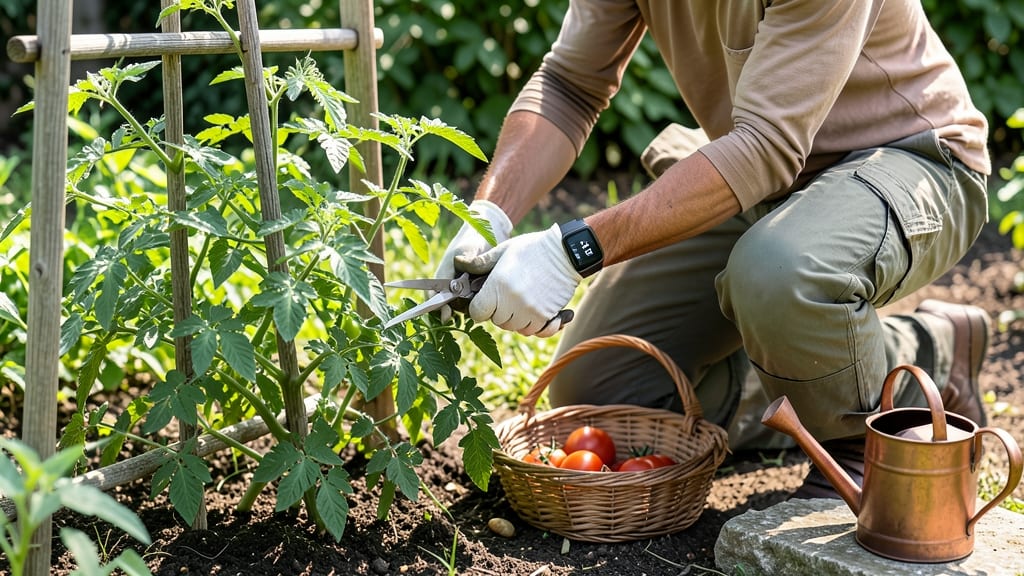
Gardening burns calories effectively, with tasks like digging (280-400 calories/hour) and mowing (300-450 calories/hour) rivaling moderate cardio. Light weeding (150-200 calories/hour) still contributes to daily activity goals, while heavy lifting or raking intensifies energy expenditure further.
You might be surprised to learn that gardening can be just as effective as a workout at the gym—if you choose the right tasks. 🔥 Digging and mowing actually burn more calories per hour than brisk walking or cycling, thanks to the resistance and repetitive motions involved.
The key is intensity: heavier tasks like hauling mulch or moving rocks can push your burn rate even higher, sometimes matching light jogging. Even lighter activities like weeding add up over time, especially when you factor in the continuous movement and occasional bursts of effort.
What's more, gardening offers a unique advantage over traditional cardio—it engages multiple muscle groups simultaneously. Unlike running on a treadmill, which primarily works your legs, gardening activates your arms, core, and back too. This full-body engagement means you're not just burning calories but also building strength and improving flexibility.
Plus, the outdoor setting adds mental health benefits, making it a win-win for both your body and mind.
💡 In This Article
- How Gardening Tasks Compare to Cardio Workouts
- Maximizing Calorie Burn in Your Garden
How gardening tasks compare to cardio workouts
Gardening tasks actually fall into the moderate to vigorous activity category, with calorie burn rates that often rival traditional cardio exercises. The key metric here is METs (Metabolic Equivalent of Task), which measures energy expenditure.
Digging, for example, registers at 4.0-5.0 METs, comparable to brisk walking (3.5 METs) but with added upper-body engagement. This means a 155-pound person digging for 30 minutes burns roughly 140-175 calories—similar to a 20-minute jog but with less joint impact.
Let's break down specific tasks: Mowing the lawn (especially with a push mower) hits 4.5-5.5 METs, matching cycling at 12-15 mph. The resistance from pushing and maneuvering the mower creates continuous muscle engagement.
Meanwhile, raking leaves or mulching registers at 3.5-4.5 METs, similar to a brisk walk but with added core stabilization. Even lighter tasks like weeding (3.0-3.5 METs) still contribute to daily activity goals, especially when performed continuously over 1-2 hours.
What sets gardening apart is its full-body activation. Unlike running (which primarily works legs), gardening engages arms, shoulders, and back through repetitive motions like digging or hauling.
This multi-muscle engagement explains why tasks like moving rocks or hauling bags of soil can burn 400-500 calories/hour—comparable to light jogging but with added strength benefits. The intermittent bursts of effort (like lifting heavy pots) also create afterburn effects, where your metabolism stays elevated post-activity.
Seasonal variations play a role too. Summer gardening often involves more intense tasks (like moving potted plants or installing fences), while spring/fall might focus on lighter maintenance. However, even winter tasks like pruning (3.5-4.0 METs) or cleaning garden tools still contribute.
The key difference? Gardening's variable intensity lets you control your effort level—unlike fixed-pace cardio workouts.
Consider this comparison for a 185-pound person:
- Digging: 400 calories/hour (vs. jogging at 6 mph = 380 calories/hour)
- Mowing: 450 calories/hour (vs. cycling at 15 mph = 420 calories/hour)
- Raking: 300 calories/hour (vs. brisk walking = 280 calories/hour)
- Weeding: 200 calories/hour (vs. leisurely walking = 160 calories/hour)
The science behind this lies in muscle recruitment patterns. Gardening tasks often require isometric contractions (holding positions against resistance) and eccentric movements (like lowering a shovel), which demand more energy than concentric contractions (like lifting).
This explains why gardening can feel like a workout even when it doesn't feel like "exercise." 🌱