
Tools
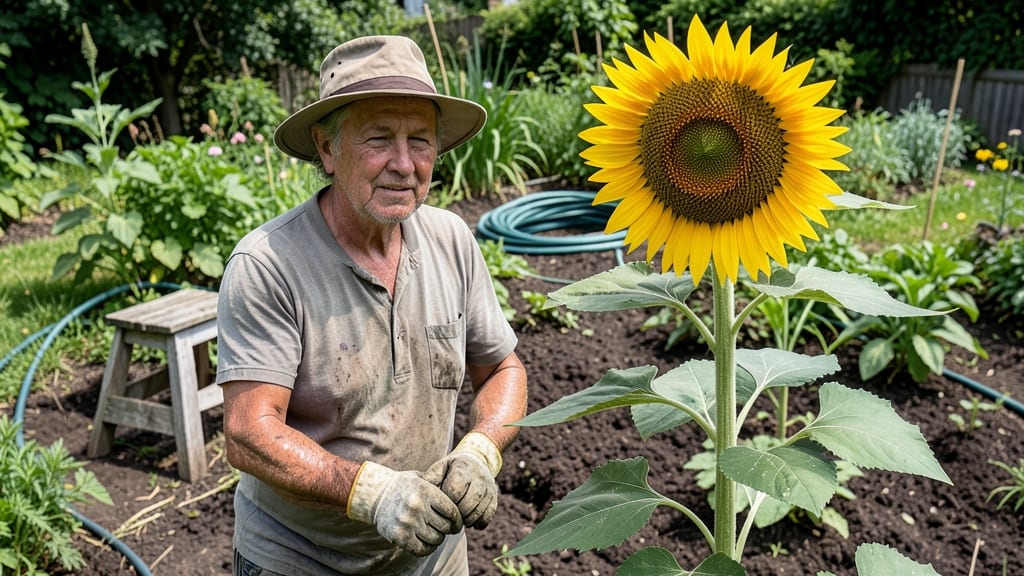
Gardening does count as exercise, offering moderate activity that burns 150-300 calories per hour—similar to brisk walking or light yard work—while strengthening muscles, improving flexibility, and boosting mental health through outdoor movement and fresh air.
This outdoor activity engages multiple muscle groups, from your legs when kneeling or digging to your core when lifting pots. 🌱 The repetitive motions—like weeding or pruning—act as a form of low-impact cardio, while tasks such as carrying soil or watering plants add resistance training.
What’s unique about gardening is how it combines physical effort with mindfulness, creating a workout that’s both productive and relaxing.
Unlike structured gym sessions, gardening lets you control intensity—whether you’re doing light maintenance or heavy-duty landscaping. For example, a 30-minute session of digging, raking, and hauling can match the calorie burn of a 20-minute jog, but without the joint stress.
The key is consistency: even 15 minutes daily can contribute to your weekly activity goals while yielding fresh produce or a beautiful yard.
💡 In This Article
- How Gardening Compares to Traditional Exercise
- Maximizing Health Benefits Through Smart Gardening Techniques
How gardening compares to traditional exercise
Gardening engages your body in ways that closely mirror traditional exercise routines, but with a more functional, real-world approach. When you dig into soil, you're performing a dynamic combination of squats and lunges that target your quadriceps, hamstrings, and glutes—similar to how bodyweight exercises work.
A study from the University of Maryland found that 30 minutes of moderate gardening can burn 150-200 calories, comparable to a brisk walk or light jog, while tasks like lifting bags of mulch (typically 20-40 pounds) engage your upper body and core like strength training.
The repetitive motions—like pruning, weeding, or raking—act as a form of low-impact cardio, elevating your heart rate while reducing joint stress compared to running or jumping.
For instance, pushing a wheelbarrow loaded with 50 pounds of soil over 50 feet burns roughly 50 calories, equivalent to climbing 10 flights of stairs. Meanwhile, bending to plant seeds or stretch to reach high branches improves your flexibility and balance, much like yoga or dynamic stretching routines.
What sets gardening apart is its ability to combine aerobic and strength training in one session. Unlike structured workouts that isolate muscle groups, gardening creates a full-body workout where your arms, legs, and core work together.
For example, pulling weeds requires grip strength (like using resistance bands), while carrying watering cans builds endurance. The American Heart Association classifies gardening as moderate-intensity activity, meaning it should raise your heart rate to 50-70% of your maximum—similar to a leisurely bike ride or swimming laps.
Here’s how gardening stacks up against traditional exercises in terms of muscle engagement:
- Digging: Works legs (squats), core (stability), and back (extension)
- Lifting pots: Strengthens shoulders, arms, and upper back (like dumbbell presses)
- Raking: Engages arms, core, and legs (similar to rowing machine movements)
- Watering: Improves grip strength and endurance (like holding light weights)
The beauty of gardening is its adaptability—you can adjust intensity by choosing lighter tasks (like arranging flowers) or more demanding ones (like moving heavy rocks). This makes it a versatile workout for all fitness levels, from beginners to seasoned athletes looking for a change of pace. 🌿
Unlike gym equipment that targets specific muscles, gardening mimics daily movements, improving functional strength—the kind you use in real life. For example, bending to tie plants together strengthens your lower back, while reaching for tools enhances shoulder mobility.
This functional approach is why physical therapists often recommend gardening as part of rehabilitation programs.