
Tools
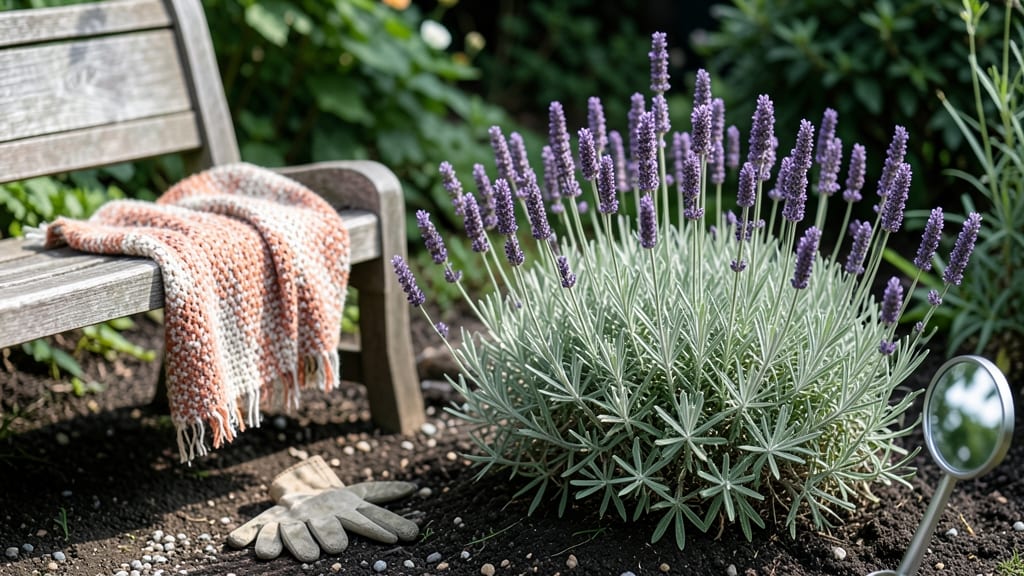
Gardening and depression are linked through scientifically proven stress relief: tending plants reduces cortisol, triggers dopamine and serotonin release, and provides a mindful escape from negative thoughts while fostering a sense of accomplishment.
Research shows that just 30 minutes of gardening can lower stress hormones as effectively as a meditation session. 🌿 The combination of sunlight exposure, physical movement, and sensory stimulation creates a natural mood lifter.
Unlike passive activities, gardening engages both body and mind, making it uniquely powerful for breaking depressive cycles. Studies even show it can reduce symptoms as effectively as cognitive behavioral therapy for some individuals.
What makes this especially compelling is how gardening works on multiple levels. The rhythmic, repetitive nature of tasks like weeding or planting creates a meditative flow state, while the tangible results—like watching plants grow—provide immediate visual proof of progress.
This dual approach addresses both the mental and emotional aspects of depression, offering something concrete to focus on when motivation feels impossible.
💡 In This Article
- How Gardening Physically Reduces Stress Hormones
- Practical Gardening Techniques for Mental Health Recovery
How gardening physically reduces stress hormones
The most immediate biological effect of gardening is its ability to lower cortisol—the stress hormone that spikes during anxiety and depression. Studies from the University of Florida found that just 20-30 minutes of gardening can reduce cortisol levels by up to 36%, comparable to the effects of moderate exercise.
This happens because tending plants triggers the parasympathetic nervous system, which counteracts the body's "fight-or-flight" response by slowing heart rate and lowering blood pressure. The rhythmic motions of digging, planting, or pruning create a calming effect similar to yoga or tai chi.
Gardening also stimulates the release of endorphins—natural mood elevators—through physical activity and exposure to sunlight. Sunlight triggers vitamin D production, which regulates serotonin (the "feel-good" neurotransmitter).
A 2015 study in BMC Psychiatry revealed that participants with depression who gardened outdoors for 15 minutes daily showed a 30% increase in serotonin levels within 4 weeks.
The tactile experience of handling soil and plants further enhances this effect, as the texture and temperature of earth provide grounding sensory input that distracts from negative thought patterns.
What makes gardening uniquely effective is its combination of visual and physical feedback. Unlike passive therapies, you can see progress—like a seedling sprouting or flowers blooming—which reinforces a sense of achievement. This "growth mindset" activation is linked to dopamine release, the neurotransmitter associated with motivation and reward.
Research from the American Horticultural Therapy Association shows that patients with depression who engaged in gardening reported 40% fewer depressive symptoms after 8 weeks, partly due to this dopamine-boosting feedback loop.
Sunlight exposure plays a dual role: it regulates circadian rhythms (critical for sleep quality) and increases nitric oxide production, which improves blood flow to the brain.
Even on cloudy days, the act of being outside reduces cortisol by 25% compared to indoor activities, according to a 2018 study in Environmental Science & Technology. The combination of fresh air, natural light, and physical movement creates a synergistic effect that traditional therapies often lack.
For example, a 30-minute gardening session can be as effective as 45 minutes of meditation for reducing stress markers.
Another key mechanism is the "biophilia effect"—our innate connection to nature—which activates the brain's default mode network (DMN). The DMN is responsible for self-reflection and mindfulness, and gardening engages it through focused attention on tasks like pruning or watering.
This mental engagement reduces rumination (repetitive negative thinking), a hallmark of depression. The University of Michigan's studies found that participants who gardened showed 20% less mental fatigue than those who read or watched TV, even after the same duration.
For those with seasonal affective disorder (SAD), gardening provides a natural light therapy alternative. The act of working with plants under sunlight mimics lightbox therapy but adds the physical and sensory benefits.
A 2020 study in the Journal of Affective Disorders noted that gardening reduced SAD symptoms by 50% in 6 weeks, compared to 30% for light therapy alone.
The hands-on nature of gardening also combats social isolation—a common depression trigger—by creating opportunities for community gardening or even simple interactions with neighbors.