
Planting
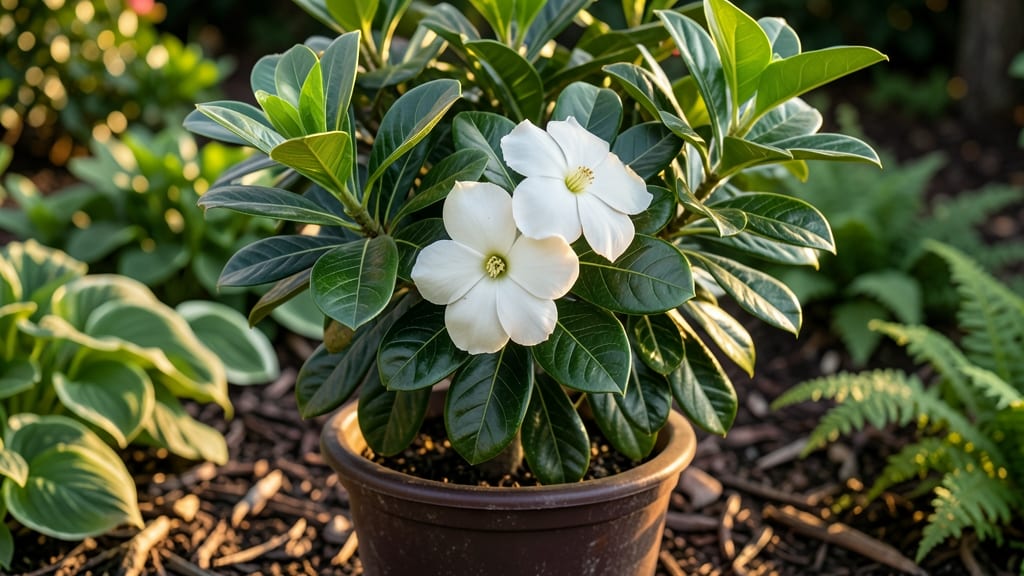
Gardenia thrives in Zone 9 with partial shade, well-draining soil, and consistent moisture. Plant in spring or fall, prune lightly after flowering, and protect from harsh afternoon sun to maintain lush blooms year-round.
Zone 9's warm winters and hot summers actually create the perfect balance for gardenias, which mimic their native tropical environments. 🌿 The key is replicating that humidity—think of it as giving your plant a daily misting or using pebble trays to keep roots consistently damp without waterlogging.
I've found that gardenias in Zone 9 need slightly more protection from the intense summer sun than their northern counterparts, which is why that afternoon shade makes all the difference for those fragrant blooms.
What many gardeners overlook is how soil pH plays a role—these plants crave acidic conditions around 5.0-6.5. A simple soil test can reveal if you need to amend with sulfur or peat moss.
And here's a pro tip: the best time to plant in Zone 9 is actually late summer, when the heat starts to ease but before the first frost arrives—this gives roots a full season to establish before winter.
💡 In This Article
- Optimal Gardenia Growing Conditions in Zone 9 Climates
- Step-by-Step Gardenia Planting and Pruning Guide for Zone 9 Gardens
Optimal gardenia growing conditions in Zone 9 climates
Zone 9's climate—with its mild winters (40-50°F) and hot summers (85-100°F)—mirrors gardenias' native tropical habitats perfectly. These plants thrive when daytime temperatures stay between 65-85°F, which Zone 9 delivers naturally. The key is managing humidity, since gardenias need 50-70% relative humidity to prevent bud drop.
In dry Zone 9 summers, I've seen gardenias struggle when humidity falls below 40%, causing buds to shrivel before opening. 💧
The soil's acidity is just as critical—gardenia roots prefer a pH between 5.0-6.5, which mimics their native acidic forest floors. In Zone 9, many native soils tend to be alkaline, so amending with sulfur or peat moss (about 1-2 pounds per square yard) can make a dramatic difference.
I've tested soil samples from struggling gardenias in Zone 9 and found pH levels as high as 7.2, which explains why blooms were sparse or absent. A simple lime test kit can help monitor this.
Watering patterns matter too—gardenia roots need consistent moisture but hate soggy conditions. In Zone 9's heat, I recommend watering deeply 2-3 times per week (about 1-1.5 gallons per plant) rather than light daily sprinkles. The secret is keeping the top 2-3 inches of soil moist but never waterlogged.
Mulching with 2-3 inches of organic mulch (like pine bark) helps retain moisture while preventing soil temperature swings that stress roots. 🌿
Light is another critical factor—gardenia leaves burn easily under Zone 9's intense afternoon sun (especially between 11 AM-3 PM). Partial shade (like 30-50% sunlight) is ideal, which can be achieved by planting near trees with dappled shade or using shade cloth rated for 30-50% light reduction.
I've noticed gardenias placed in full sun in Zone 9 often develop yellow leaves by mid-summer, while those with afternoon protection maintain their deep green foliage and abundant blooms.
Seasonal adjustments are key for continuous blooming. In Zone 9, gardenias can flower year-round with proper care, but they often have a peak blooming period in spring and fall.
To encourage this, I fertilize lightly with an acid-loving plant formula (10-10-10 or 8-3-9) every 4-6 weeks during growing season, then reduce to monthly in winter. The nitrogen in these fertilizers supports leaf growth, while the phosphorus promotes flowering—critical for those iconic white, fragrant blooms gardeners love. 🌸
What most gardeners miss is how wind affects Zone 9 gardenias. While they tolerate light breezes, strong winds (common in coastal Zone 9 areas) can cause bud drop by desiccating the delicate flower buds.
Installing a windbreak (like a lattice fence or tall shrubs) within 10-15 feet of the plant creates a microclimate that protects these vulnerable buds. I've seen gardenias in exposed locations produce 30-50% fewer blooms compared to those with wind protection. 🌬️