
Shrubs
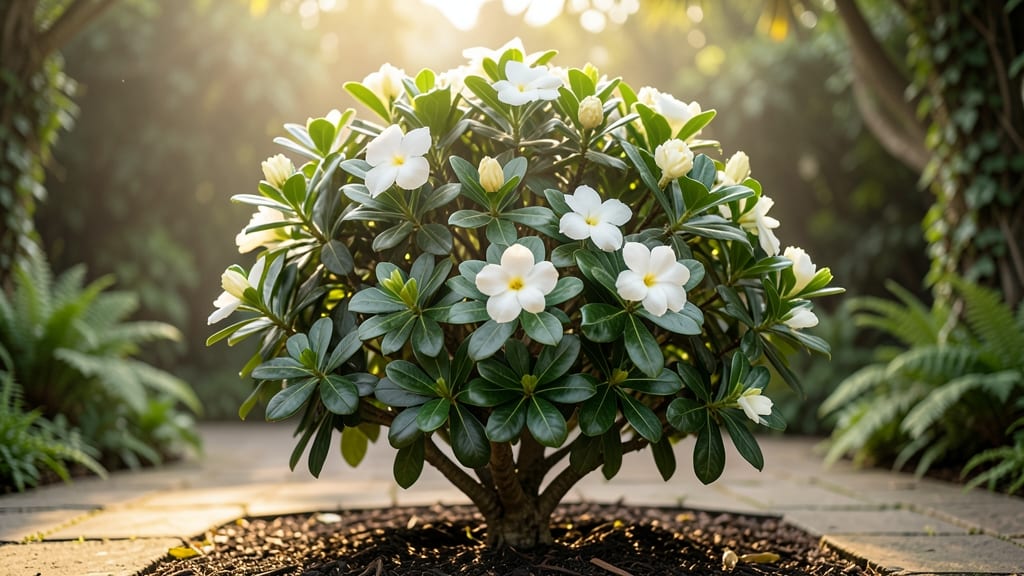
A full grown gardenia bush 🌸 can reach heights of 3 to 6 feet, transforming your garden into a fragrant paradise—but only if you meet its precise care needs.
Picture this: you’ve spent years nurturing your gardenia, only to watch its blooms wilt or its leaves yellow. The secret to avoiding these frustrations lies in understanding its growth habits, pruning cycles, and seasonal adjustments.
From partial shade to acidic soil, gardenias are finicky but rewarding. This guide breaks down everything you need to know—when to prune for maximum blooms, how to adjust watering through the seasons, and the key tricks to keep your gardenia thriving for decades.
Whether you’re troubleshooting bud drop or planning where to plant it, you’ll learn how to turn your gardenia into a year-round showstopper with minimal effort.
How to prune a full grown gardenia bush for maximum blooms
A full grown gardenia bush thrives when pruned correctly, producing abundant, fragrant blooms year-round. Unlike many shrubs, gardenias bloom on new wood, so timing and technique matter.
Pruning too late or too aggressively can reduce flowers next season. Let’s break down the best practices to keep your gardenia lush and fragrant.
Pruning encourages air circulation and sunlight penetration, reducing disease risk while shaping your bush. The key is to prune at the right time—either late winter or early spring—before new growth begins.
Avoid heavy pruning in fall or winter, as this can stimulate tender growth that may freeze or suffer from cold damage.
Before you start, gather your tools: sharp, sterilized pruners (or loppers for thicker branches), rubbing alcohol (to sterilize tools between cuts), and pruning shears for smaller stems. Always disinfect tools to prevent spreading fungal diseases or bacterial infections.
Step-by-Step Pruning Guide for Gardenia Bushes
-
Step 1: Choose the Right Time
Prune in late winter or early spring (February-March in USDA Zone 6a). This ensures new growth emerges before summer heat. -
Step 2: Remove Dead or Diseased Wood
Cut out dead branches, yellowing leaves, or stems with black spots (signs of fungal issues). Use sterilized tools to prevent contamination. -
Step 3: Thin Out Crowded Branches
Look for crossing branches or stems growing inward. Remove 1/3 of the oldest wood to encourage new, flower-producing growth. -
Step 4: Shape the Bush
Trim outer branches to maintain a rounded shape. Avoid cutting into old wood (wood older than 3 years), as it won’t produce flowers. -
Step 5: Deadhead Spent Blooms
After flowering, snip off faded blooms just above a leaf node to redirect energy to new buds instead of seed production. -
Step 6: Lightly Prune in Summer
If needed, do a light trim in mid-summer to remove overly long shoots and encourage fall blooming.
✂️ Pro Tip: Always cut at a 45-degree angle just above a leaf node to promote faster healing.
One of the most common mistakes gardeners make is pruning too late in the season. If you prune in late summer or fall, your gardenia may not have enough time to harden off before winter, leaving it vulnerable to cold damage.
Another pitfall is over-pruning, which can stress the plant and reduce next year’s blooms.
After pruning, your gardenia will need extra care to recover and flourish. Water deeply to replenish moisture lost during pruning, and apply a balanced fertilizer (like 10-10-10) to support new growth. Mulch around the base with organic matter to retain moisture and regulate soil temperature.
If your gardenia isn’t blooming as expected, check your pruning habits. Old wood (branches older than 3 years) won’t produce flowers, so avoid cutting into it. Instead, focus on younger, flexible stems to encourage new flower buds.
Patience is key—it may take a season or two for your gardenia to rebound with abundant blooms.
For container-grown gardenias, pruning principles are the same, but be mindful of root space. Prune lightly to avoid overcrowding, as containers limit root expansion. Regularly check for root-bound conditions and repot if needed to maintain plant health.
With the right pruning techniques, your full grown gardenia bush will reward you with lush foliage and intoxicating fragrance for years. The secret lies in timing, precision, and consistency—so grab your shears and get pruning! 🌸
Essential care requirements for a thriving full grown gardenia bush
A full grown gardenia bush thrives when you match its care to its natural preferences. These fragrant shrubs demand specific conditions to reward you with glossy leaves and abundant blooms. Let’s break down the essentials for keeping your gardenia healthy and flourishing year-round.
First, gardenias need bright, indirect light for 4-6 hours daily. Morning sun works best while protecting them from harsh afternoon rays. Without proper light, your plant may develop leggy growth or sparse blooms. I’ve found east-facing windows or dappled shade spots work wonders for outdoor gardenias.
| Care Requirement | Specification | Seasonal Adjustments |
|---|---|---|
| Sunlight | 4-6 hours daily, morning sun preferred | Summer: Filtered shade; Winter: Full sun |
| Watering | Deep soak every 3-5 days | Summer: Daily; Winter: Bi-weekly |
| Soil | Acidic (pH 5.0-6.0), well-draining | Spring: Add compost; Fall: Mulch heavily |
| Fertilization | Balanced 10-10-10, every 4-6 weeks | Spring/Summer: Feed monthly; Fall/Winter: Skip |
| Humidity | 60-70% (mist leaves regularly) | Summer: Increase misting; Winter: Use pebble trays |
Watering is another critical factor. Gardenias love moisture but hate soggy roots. I water mine deeply every 3-5 days, ensuring the top 2 inches of soil stay damp.
During summer’s heat, I increase frequency to daily watering while avoiding wet foliage to prevent fungal issues. Always water in the morning to let leaves dry before nightfall.
Your gardenia’s soil must remain acidic (pH 5.0-6.0) for optimal growth. I test my soil annually and amend with peat moss or sulfur if needed. These shrubs also benefit from a 2-3 inch layer of mulch to retain moisture and regulate soil temperature.
Avoid heavy clay soils that can suffocate roots.
Fertilizing plays a key role in maintaining blooms. I use a balanced 10-10-10 fertilizer every 4-6 weeks during spring and summer. In fall and winter, I skip fertilizing to let the plant rest. Over-fertilizing can lead to leaf burn or reduced flowering, so always follow package instructions carefully.
Finally, gardenias thrive in humid environments. If your home is dry, I mist leaves daily or place a pebble tray with water nearby. In winter, when indoor air gets dry, I increase humidity around my gardenia to prevent bud drop—a common issue when conditions are too arid.
With these care essentials, your full grown gardenia bush will reward you with year-round fragrance and lush foliage. The key is consistency—matching your gardenia’s needs to each season’s demands will keep it thriving for decades.