
Tools
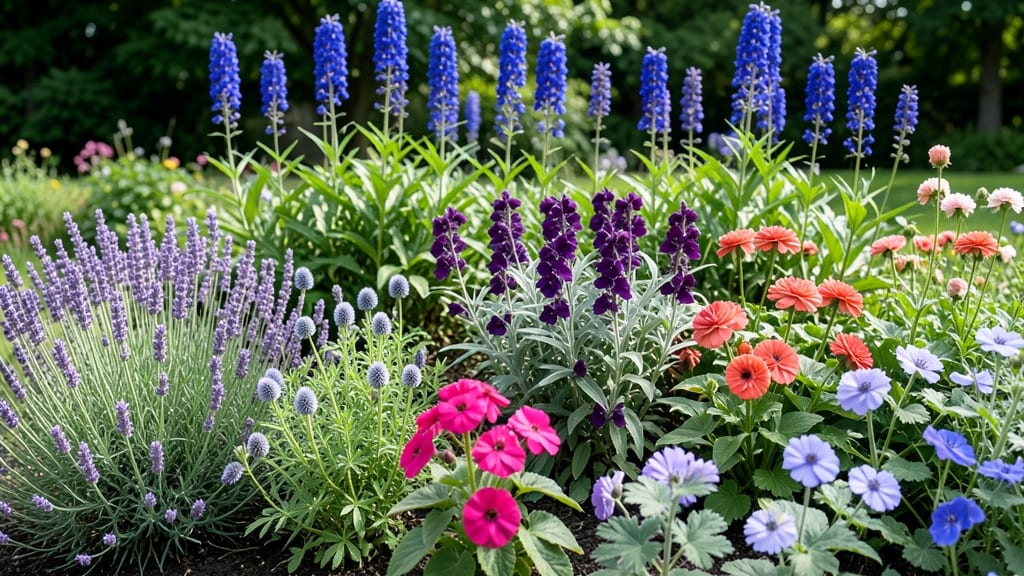
Monty Don’s Gardeners’ World show demonstrates how to maintain a productive garden year-round using season-extending methods like cold frames, polytunnels, and strategic succession planting to prevent common mistakes and boost yields.
Monty’s approach focuses on practical solutions that work in real gardens, not just theory.
He emphasizes using simple tools like cold frames to protect tender crops from early frosts and polytunnels for extending the growing season by several weeks. 🌱 The key is balancing plant density—crowding leads to poor air circulation and disease, while proper spacing ensures healthy growth.
For example, his favorite early spring crops like broad beans and spinach thrive when planted in staggered batches rather than all at once.
What sets Monty’s method apart is his focus on soil health as the foundation. He often highlights how well-prepared soil with plenty of organic matter can make up for less-than-ideal weather conditions.
The show’s planting calendar breaks down exactly when to sow each crop, prioritizing fast growers like radishes and lettuce between slower varieties to keep your harvest table full year-round.
💡 In This Article
- Monty Don’s Season-Extension Techniques for Cold Climates
- Succession Planting Calendar for Continuous Harvests
Monty Don’s season-extension techniques for cold climates
Monty Don’s genius lies in using simple, low-cost structures to create microclimates that protect plants from frost while letting sunlight penetrate. A cold frame—essentially a glass or plastic box with an angled lid—can raise soil temperatures by 10-15°F compared to open ground.
This lets him start spinach and broad beans 4-6 weeks earlier in spring, while extending autumn harvests by shielding tender greens until late November. The key is the angled roof: it traps heat during the day while allowing light to pass through, mimicking a greenhouse’s effect without the complexity.
For larger spaces, Monty favors polytunnels (hoop houses covered with plastic sheeting) which create a 5-8°F warmer environment than open air. Inside these, he grows salad leaves and herbs like coriander year-round, even in sub-zero temperatures. The secret?
Ventilation—he stresses cracking open the sides on mild days to prevent humidity buildup, which would otherwise invite fungal diseases like downy mildew. Fleece covers (lightweight fabric) offer another layer of protection, raising temperatures by 3-5°F while still allowing rain through—a perfect middle ground between cold frames and polytunnels.
Soil warming is where Monty’s methods get particularly clever. He often recommends burying black plastic sheeting or even old carpet (yes, really!) under cold frames to absorb sunlight and radiate heat upward.
This can raise soil temps by 8-12°F in just a few hours, giving seeds the boost they need to germinate. For root crops like carrots, he’ll plant them in well-drained, sandy soil within these warmed areas, ensuring they develop straight and sweet even when ambient air is chilly.
The texture difference—sandy loam versus heavy clay—makes all the difference for crisp roots.
What most gardeners miss is how Monty combines these techniques with plant selection. Cold-hardy varieties like ‘Winter Giant’ kale or ‘Mammoth Melting’ sugar snap peas become stars in his extended season. These plants tolerate 25-30°F temperatures when protected, while more delicate crops like lettuce get the cold frame treatment.
The result? A continuous harvest from early spring through late autumn without the need for expensive equipment.
Here’s the practical takeaway: Start with a single cold frame (even a DIY version from a wooden box and glass panels) to test what works in your microclimate. Monitor soil temps with a thermometer—aim for 50-55°F for most greens.
For larger areas, a 10x12-foot polytunnel (about $200-$300) can transform your harvest potential. The payoff? Fresh spinach in March and overwintered herbs in December—all without fancy setups.
Monty’s approach proves that season extension isn’t about grand gestures—it’s about layering simple solutions. A cold frame here, fleece there, and a well-timed planting calendar. The plants don’t care about your struggles; they just need the right conditions to thrive. 🌱