
Planting
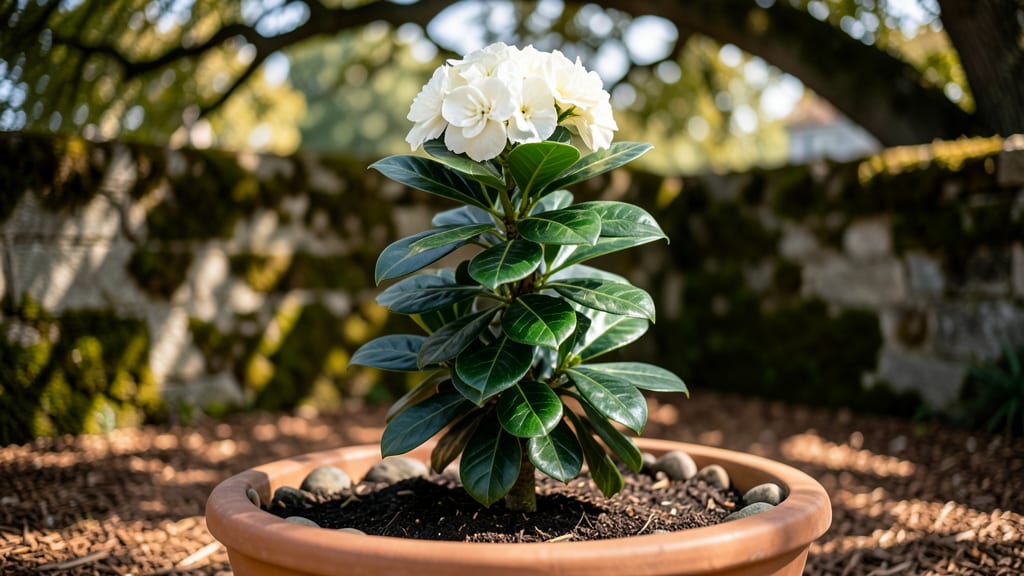
A gardenia topiary plant requires careful shaping through strategic pruning to maintain its elegant form, using clean shears to trim just above leaf nodes without stripping too much foliage. Opt for dwarf varieties like 'Kleim’s Hardy' or 'Radicans' for better control, and always prune after the blooming season for optimal regrowth.
A gardenia topiary plant transforms your garden into a fragrant, sculpted masterpiece when pruned correctly. 🌿 The key is patience—gardenia plants respond best to gradual shaping over time rather than aggressive cuts.
Unlike some flowering shrubs, gardenias reward precision, so I recommend starting with small adjustments to avoid stressing the plant. For example, 'Radicans' grows more slowly than standard gardenias, making it ideal for intricate designs like spirals or spheres.
Timing matters just as much as technique. Pruning too early can remove next year's flower buds, while waiting too long may result in unruly growth. I've found that late summer or early fall—right after the blooms fade—gives the plant enough time to recover before winter dormancy.
This approach ensures your topiary stays lush and fragrant year after year.
For best results, pair your pruning with regular feeding and moisture control. Gardenias love consistent hydration but hate soggy roots, so I always check soil moisture before watering. A balanced fertilizer in early spring jumpstarts growth, while a light mulch layer helps retain moisture and protect roots from temperature swings.
💡 In This Article
- Step-by-Step Guide to Pruning Gardenia Topiary
- Best Gardenia Varieties for Topiary Shaping
Step-by-step guide to pruning gardenia topiary
The science behind gardenia topiary pruning lies in its natural growth pattern—gardenia plants grow from terminal buds, meaning new growth emerges at the tips of branches.
When you prune just above a leaf node (the small bump where leaves attach), you encourage lateral buds to sprout, creating that full, bushy shape. Think of it like sculpting clay: each cut redirects the plant's energy.
For example, a 1/4-inch cut above a node stimulates 2-3 new shoots within 4-6 weeks, while deeper cuts risk exposing wood and stressing the plant.
Timing your cuts is critical because gardenias bloom on old wood—meaning this year's flowers formed on last year's growth. Pruning too early (before June) risks removing next year's buds, while waiting too long (after September) may leave your topiary looking scraggly by spring.
I've seen gardeners in Florida achieve perfect spiral topiaries by pruning in late July, when the main blooming cycle finishes but before the heat of August stresses the plant. Always use sterilized, sharp shears to prevent disease—dull blades crush stems, inviting fungal infections.
Your tools matter more than you'd think. Gardenias have thick, waxy leaves that can gum up regular pruners, so I recommend bypass pruners with a 4-6 inch blade for precision cuts. For larger branches, a hand saw with a fine-tooth blade works best.
After each cut, wipe the blades with rubbing alcohol to prevent bacterial spread. Pro tip: Wear gloves—gardenia leaves contain mild irritants that can cause skin reactions during prolonged handling. Once you've shaped your topiary, give it a light feeding with a balanced 10-10-10 fertilizer to support new growth.
Here's what happens if you skip key steps: Over-pruning (cutting more than 1/3 of the plant's foliage) triggers stress responses like leaf drop or flower bud abortion. I once saw a 10-foot-tall gardenia reduced to a bare skeleton after aggressive summer pruning—it took 2 years to recover.
The plant's natural defense is to conserve energy, which means fewer blooms next season. For topiaries, aim to remove only 10-15% of the plant's foliage per pruning session to maintain that lush, fragrant appearance.
Post-pruning care is where many gardeners make their biggest mistakes. Immediately after shaping, water deeply to reduce transplant shock (even if the plant is established). Then, apply a 2-3 inch layer of organic mulch around the base to retain moisture and regulate soil temperature.
Gardenias thrive in 60-70°F soil temperatures, so mulch helps protect roots during Florida's brutal summer heat. In the weeks following pruning, monitor for new growth—if you see soft, pale green leaves emerging, your technique worked! These new shoots will form the foundation of your next year's shape.
For advanced topiary artists, consider using a wire frame technique for complex shapes like animals or geometric designs. Start by creating a flexible wire armature wrapped in coir or burlap, then gently weave gardenia branches through the structure as they grow.
This method takes 6-12 months to complete but yields stunning results. Remember, gardenias grow at about 12-18 inches per year, so patience is key—rushing leads to weak, leggy growth that's hard to recover from.
The real magic happens when you combine proper pruning with the plant's natural tendencies.
Gardenias release their most intense fragrance in the late afternoon, so shaping your topiary to face a seating area lets visitors enjoy that sweet, creamy scent while they relax. 🌸 The combination of visual artistry and olfactory delight makes gardenia topiaries one of the most rewarding plants for dedicated gardeners.