
How To
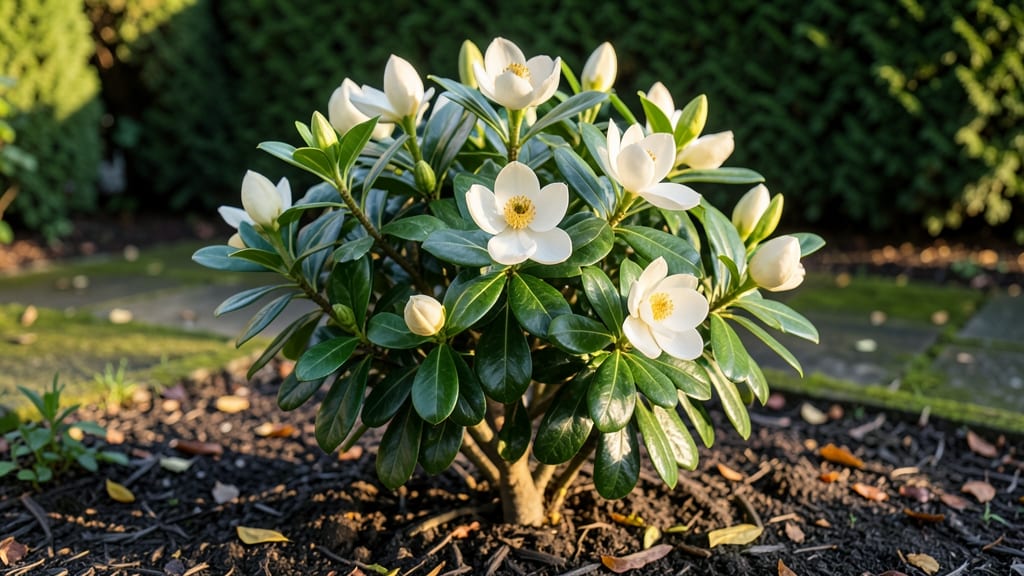
How tall does gardenia grow? The answer depends entirely on the variety and your pruning approach, as these fragrant shrubs can reach heights between 3 and 6 feet at maturity.
If you’ve ever dreamed of filling your garden with the intoxicating scent of gardenias but worry about them growing too wild, you’re not alone. These fragrant shrubs can reach surprising heights—unless you master the art of strategic pruning to keep them compact and manageable.
Most gardenias, like the classic Gardenia jasminoides, naturally top out around 4 to 6 feet if left unchecked, while dwarf varieties stay between 2 and 3 feet. The key to controlling their height lies in when and how you prune, which can also boost blooms and fragrance.
Below, I’ll break down the natural growth ranges by variety, the best pruning times to keep them in check, and how to avoid common mistakes that lead to overgrowth. You’ll leave here with a clear plan to grow gardenias that fit your space—without sacrificing their signature sweet aroma.


Natural gardenia growth height: what to expect by variety
If you’re planning to add gardenias to your landscape, knowing their mature size is key to placement. The Gardenia jasminoides, the most common type, typically reaches 6 to 10 feet tall when left unpruned.
However, with proper care, you can shape them into smaller, more manageable shrubs—ideal for foundation plantings or container gardens.
Climate plays a major role in gardenia growth. In warmer zones (USDA 8-11), these shrubs grow faster and taller, while cooler climates (USDA 6-7) may see slower growth and slightly shorter heights.
For example, a gardenia in Zone 9 might hit 8 feet in 5 years, while one in Zone 7 may only reach 5 feet in the same time.
Here’s a quick reference for common gardenia varieties and their mature heights:
| Variety | Mature Height (ft) | Growth Rate | Best For |
|---|---|---|---|
| Gardenia jasminoides (Standard) | 6–10 ft | Moderate | Privacy screens, large gardens |
| Radicans (Creeper) | 3–5 ft (spreading) | Slow | Banks, slopes, containers |
| Dwarf Varieties (e.g., 'Kleim’s Hardy') | 2–3 ft | Slow | Patio pots, borders, small gardens |
| Fortuniana (Hybrid) | 4–6 ft | Moderate | Foundation plantings, hedges |
| Veitchii (Large-Flowered) | 5–8 ft | Slow to moderate | Specimen plants, shaded areas |
For garden planning, think of gardenias as medium-height shrubs. A standard variety at 6 feet is perfect for creating a natural privacy screen along a fence or as a focal point in a mixed shrub border.
Dwarf varieties, like 'Kleim’s Hardy,' are ideal for container gardening or small spaces, fitting neatly on patios or balconies.
One common misconception is that gardenias grow too quickly. In reality, their growth is moderate to slow, especially in cooler climates. If you notice rapid growth, it’s often a sign of over-fertilization or excessive watering.
Aim to fertilize only during spring and summer with a balanced, acidic fertilizer to encourage healthy, controlled growth.
When selecting a location, consider mature height and spreading habits. For example, the Gardenia radicans spreads wider than it grows tall, making it perfect for sloped gardens or bank stabilization.
Always leave 3–5 feet of space around standard varieties to avoid overcrowding and ensure airflow, which reduces disease risk.
If you’re growing gardenias in containers, expect slightly slower growth due to root restriction. A 5-gallon pot will limit a standard gardenia to about 3–4 feet tall, while a 15-gallon container may allow it to reach 5–6 feet.
Choose containers with drainage holes and use a well-draining potting mix to prevent root rot.
For those in cooler climates (USDA 6-7), gardenias may grow more slowly and stay shorter. In these areas, focus on dwarf varieties or use winter protection, like mulch and burlap wraps, to encourage healthier growth.
Even in cooler zones, a well-cared-for gardenia can still reward you with fragrant blooms and lush foliage.
To visualize gardenia heights, imagine a standard kitchen counter (about 36 inches) and a 6-foot-tall person. A mature gardenia will typically fall between these two reference points, depending on the variety.
This makes them versatile for both ground covers and tall hedges, depending on how you prune and train them.
🌿
Pruning techniques to control gardenia height and shape
Mastering the art of pruning is your secret weapon for keeping gardenias at your desired height while maximizing those fragrant blooms. Without proper pruning, these beautiful shrubs can easily grow 6 feet tall or more, overshadowing your garden vision.
The good news? With the right techniques, you can shape them into compact, bushy shrubs that stay between 3-4 feet tall—perfect for borders or containers.
Timing is everything when pruning gardenias. I always recommend late winter or early spring before new growth begins, as this encourages vigorous blooming. Fall pruning is possible, but it risks reducing next year’s flowers since gardenias set buds on old wood.
Whether you’re trimming for height control or shaping, these steps will help you achieve the perfect gardenia size without sacrificing fragrance.
Step-by-Step Pruning Guide for Compact Gardenias
- 1 Gather the right tools: Use sharp, sterilized pruners (avoid dull tools that tear stems) and disinfect with rubbing alcohol between cuts to prevent disease.
- 2 Remove dead or diseased wood: Cut back any brown, wilted, or blackened branches to the nearest healthy bud or stem junction. This keeps your gardenia healthy and vigorous.
- 3 Shape for height control: To keep your gardenia 3-4 feet tall, cut back overlong branches by 1/3 of their length. Focus on branches growing upward to encourage a fuller, bushier shape.
- 4 Encourage branching: Prune the topmost growth to stimulate side shoots. This creates a denser, more compact shrub with more blooms. Aim for a rounded, natural shape rather than a rigid form.
- 5 Deadhead spent blooms: After flowering, remove faded blooms by cutting back to the nearest leaf or bud. This redirects energy to new growth and more flowers instead of seed production.
- 6 Clean up and mulch: Remove all pruned debris from the base to prevent pests and diseases. Apply a 2-inch layer of mulch to retain moisture and protect roots.
One of my favorite tricks for keeping gardenias compact is to prune in stages. Instead of cutting everything back at once, I spread it out over 2-3 sessions in early spring. This reduces stress on the plant and ensures it has time to recover before summer heat arrives.
Always prune just above a leaf node or bud to encourage new growth in the right direction.
For dwarf varieties, like 'Kleim’s Hardy' or 'Radicans,' you can be even more aggressive with pruning since they naturally stay 2-3 feet tall. These types respond beautifully to regular trimming and will reward you with dense foliage and abundant blooms.
Just remember: the key to maintaining fragrance is never to remove more than 1/3 of the plant’s foliage in a single session.
After pruning, give your gardenia a light feeding with an acid-loving plant fertilizer to support new growth. I also recommend watering deeply to help the roots recover. With consistent care, your gardenia will thrive at your desired height while filling your garden with that unmistakable, intoxicating scent. 🌸