
Size
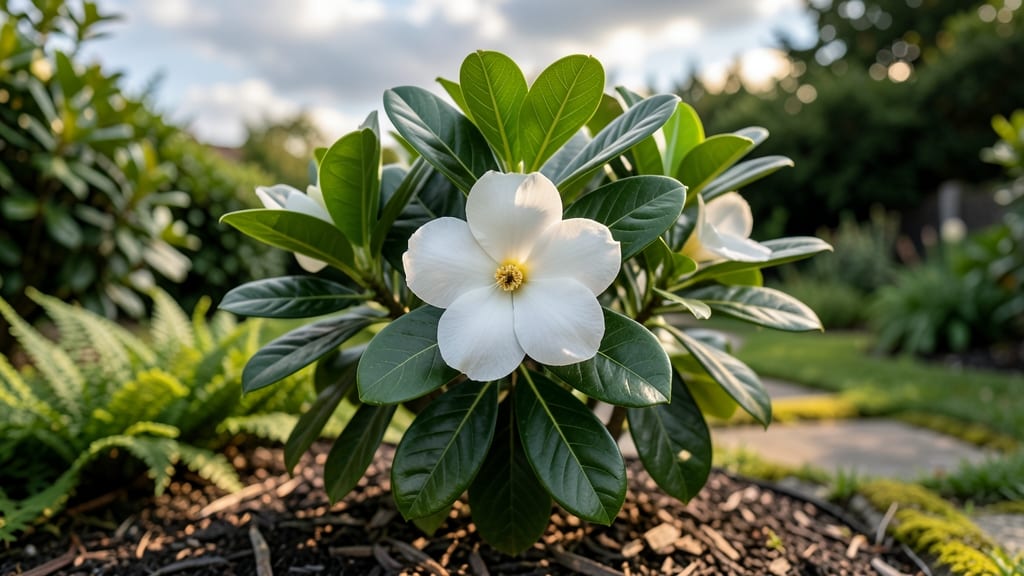
The gardenia shrub size at maturity can range from 3 to 6 feet tall, depending on the variety and care you provide—far bigger than most gardeners expect, especially when left unchecked.
If you’re dreaming of fragrant, glossy-leaved gardenias but worried about whether they’ll dwarf your landscape, you’re not alone—many gardeners underestimate how much these tropical beauties can grow without proper care.
Understanding gardenia shrub size isn’t just about aesthetics; it’s about creating the right conditions for healthy blooms and long-term growth. A well-pruned gardenia stays within your desired dimensions while thriving, but skip that step, and you might end up with a leggy, overgrown mess.
In this guide, we’ll break down the mature size of popular varieties, share pruning tips to keep them in check, and help you plan your garden layout so your gardenias become a showstopping feature—not a space hog.


How tall gardenia shrubs grow by popular variety (with mature size guides)
If you’ve ever admired gardenias in a friend’s yard and wondered, "How tall do they really get?"—you’re not alone. These fragrant shrubs can grow surprisingly large if left unchecked, but their mature size varies wildly by variety.
Understanding these differences helps you plan your garden layout, choose the right spot, and avoid overcrowding. Gardenia jasminoides, the most common type, often tops 4 to 6 feet, while dwarf varieties stay compact at just 2 to 3 feet.
Climate and care also play a role in how quickly they reach these heights.
Before you plant, know that gardenias thrive in USDA Zones 7-10 and prefer acidic, well-draining soil. In warmer climates, they grow faster and may need regular pruning to control their size. In cooler regions, growth slows, but with proper winter protection, they can still reach their full potential.
Let’s break down the most popular varieties and their mature sizes so you can pick the perfect fit for your space.
| Variety | Mature Height | Spread | Growth Rate | Best For |
|---|---|---|---|---|
| Gardenia jasminoides 'Kleim's Hardy' | 4-6 ft | 3-5 ft | Moderate | Cold-hardy gardens, hedges |
| Gardenia jasminoides 'Radicans' | 3-5 ft | 4-6 ft | Fast | Ground cover, slopes |
| Gardenia jasminoides 'Veitchii' | 2-3 ft | 2-3 ft | Slow | Containers, small gardens |
| Gardenia jasminoides 'Fortuniana' | 6-8 ft | 5-7 ft | Fast | Tall hedges, privacy screens |
| Gardenia augusta | 10-15 ft | 8-12 ft | Very fast | Large landscapes, tropical gardens |
If you’re planning a small garden or container planting, the dwarf varieties like 'Veitchii' are ideal. They stay under 3 feet tall and spread only 2-3 feet, making them perfect for patios or balconies.
My own 'Veitchii' gardenia in a 15-gallon pot has thrived for years with minimal pruning, proving that even compact varieties can reward you with heavy, fragrant blooms if given the right care.
For larger landscapes or privacy screens, varieties like 'Fortuniana' or Gardenia augusta are game-changers. These can grow 10 feet or taller and spread just as wide, creating a lush, fragrant barrier.
Just be prepared for their rapid growth—these beauties can double in size within 3 to 5 years if unchecked. I once planted a 'Fortuniana' as a specimen shrub and had to prune it aggressively within two years to keep it from overshadowing my deck!
Climate plays a surprising role in gardenia size. In warmer zones (8-10), gardenias grow faster and reach their mature height sooner. In cooler zones (7 or below), growth slows, but with winter mulch and microclimate protection, they can still thrive.
I’ve seen 'Kleim’s Hardy' gardenias in Zone 7 gardens reach 5 feet tall in just 4 years with proper winter care, while identical plants in Zone 9 hit that height in 2 to 3 years.
One common mistake is assuming all gardenias grow the same size. Gardenia radicans, for example, is a sprawling ground cover that can stretch 6 feet wide while staying under 3 feet tall. It’s perfect for slopes or erosion control but needs space to spread.
If you’re planting near a fence or wall, this variety will climb and cascade beautifully, creating a living privacy screen without the height of a traditional hedge.
Pruning techniques to control gardenia shrub size and shape
Pruning your gardenia shrubs isn’t just about keeping them tidy—it’s the key to controlling their height and spread while encouraging lush, fragrant blooms. Without regular pruning, these tropical beauties can quickly outgrow their space, reaching 4-6 feet tall with a similar spread.
The good news? With the right techniques, you can shape them into compact, bushy plants that fit perfectly in your garden design.
Timing is everything when it comes to pruning gardenias. Most gardeners make the mistake of pruning at the wrong time, which can stunt growth or even kill the plant. The best time to prune is early spring, right before new growth begins, or right after blooming in late summer.
Avoid pruning in fall or winter, as this can leave your gardenia vulnerable to cold damage and reduce next year’s blooms.
Before you grab your shears, gather the right tools: sharp bypass pruners for clean cuts, sterilized alcohol wipes to prevent disease, and gardening gloves to protect your hands. You’ll also want a small hand saw for any thicker stems that need trimming.
Pro tip: Always disinfect your tools between cuts to avoid spreading fungal infections, which gardenias are particularly susceptible to.
⚠️ Warning: Don’t Make These Pruning Mistakes!
- Pruning too late in fall/winter can damage buds forming for next year’s blooms.
- Cutting into old wood (brown, woody stems) won’t produce new growth—focus on green, healthy stems.
- Over-pruning (removing >1/3 of foliage) stresses the plant and reduces flowering.
- Using dull shears causes ragged cuts that heal poorly and invite disease.
Gardenias are sensitive to aggressive pruning—always make cuts just above a leaf node or bud to encourage new growth.
Start by removing any dead, diseased, or crossing branches first. These compete for nutrients and can stunt overall growth. Next, focus on shaping the shrub by cutting back overly long stems to maintain your desired height.
For a bushier gardenia, prune the tips of branches to encourage lateral growth—this is called pinching back. Aim to leave about 1/3 of the old growth to ensure the plant has energy for new blooms.
If your gardenia has become too leggy, don’t panic! You can revive it with a rejuvenation pruning in early spring. Cut back all stems by half their length to encourage dense, new growth from the base.
This method takes a year or two to fully recover, but the results—a compact, bushy gardenia—are worth the wait. Water thoroughly after pruning to help the plant recover faster.
After pruning, monitor your gardenia closely for the first few weeks. Look for new growth within 4-6 weeks as a sign that your pruning was successful. If you notice yellowing leaves or slow growth, your plant may be stressed—reduce watering slightly and avoid fertilizing until new growth appears.
With consistent care, your gardenia will thrive at your desired size while still producing those coveted fragrant blooms.
Remember, the goal isn’t just to control gardenia shrub size—it’s to create a healthy, balanced plant that fits seamlessly into your garden. With these techniques, you’ll enjoy lush gardenias that stay in check year after year. Happy pruning!