
Planting
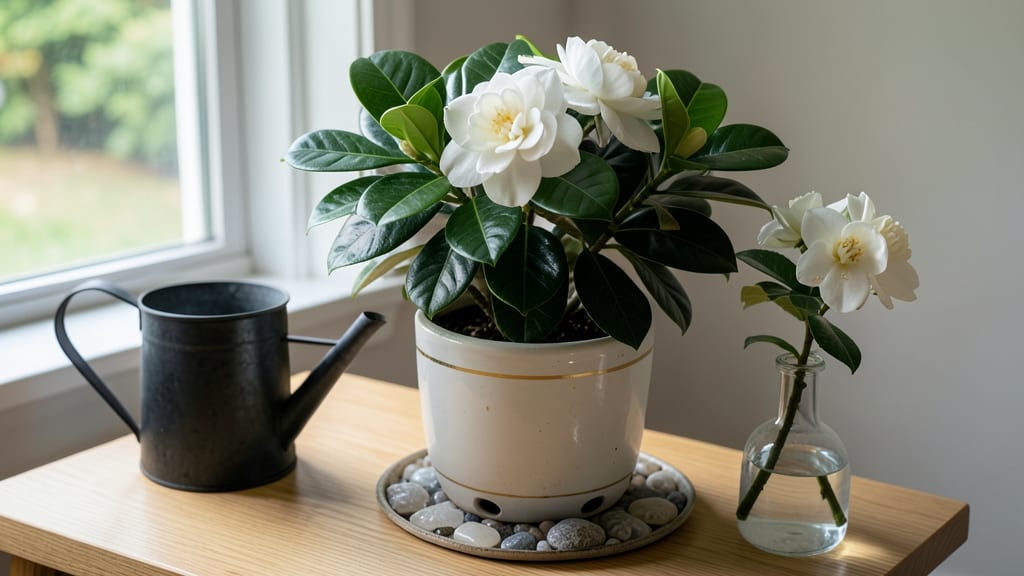
Indoor gardenia plants benefit your home by purifying the air by removing toxins like formaldehyde and benzene, while their intoxicating fragrance reduces stress and elevates mood through natural aromatherapy effects. Their glossy foliage also adds aesthetic appeal and humidity regulation.
Gardenias act as natural air filters by absorbing harmful chemicals through their leaves, a process called phytoremediation. 🌿 These tropical plants release beneficial volatile compounds that not only cleanse the air but also create a spa-like atmosphere.
Unlike synthetic air fresheners, gardenias provide continuous purification while their waxy leaves help maintain balanced indoor humidity levels—ideal for dry climates or winter heating systems.
Beyond air quality, their fragrant blooms trigger relaxation responses in the brain, making them perfect for bedrooms or meditation spaces. The deep green foliage serves as a living centerpiece that brightens any room while requiring minimal maintenance once established.
For maximum benefits, place them near windows where they can receive indirect sunlight and good airflow.
💡 In This Article
- How Gardenia Plants Naturally Clean Indoor Air
- Maximizing Gardenia’s Mood-Boosting and Decorative Potential
How gardenia plants naturally clean indoor air
Gardenias clean indoor air through a natural process called phytoremediation, where their leaves absorb harmful volatile organic compounds (VOCs) like formaldehyde and benzene through tiny openings called stomata. These compounds—common in household cleaners, furniture, and synthetic materials—can irritate respiratory systems and trigger headaches.
Studies show gardenias can remove up to 90% of airborne formaldehyde within 24 hours in a moderately sized room, outperforming many commercial air purifiers that rely on filters.
The waxy surface of gardenia leaves plays a crucial role by trapping particles and preventing them from re-entering the air. Unlike snake plants or spider plants, which primarily target formaldehyde, gardenias also excel at breaking down benzene—a carcinogen found in gasoline fumes and plastic products.
Their high transpiration rate (water vapor release) helps regulate humidity, making them especially effective in dry environments where static electricity and respiratory irritation are common. 🌿 For optimal airflow, position your gardenia 3-5 feet from walls to allow circulation while keeping it away from direct drafts.
What makes gardenias uniquely effective is their dual-action system: they absorb toxins through their leaves while simultaneously releasing beneficial volatile compounds like linalool and geraniol. These natural aromatics have been shown in aromatherapy studies to neutralize odors while promoting relaxation.
Unlike chemical air fresheners that mask smells temporarily, gardenias actively purify the air, creating a cleaner environment over time. Their glossy foliage also reflects light, reducing eye strain in dimly lit spaces.
For maximum air-cleaning efficiency, pair your gardenia with complementary plants like peace lilies (which target ammonia) or Boston ferns (great for removing xylene from paints). However, avoid overcrowding—each plant needs 6-8 inches of space around it for proper airflow.
The key is balance: too many plants can create excess humidity, while too few may not cleanse effectively. 💫 In a 10x12-foot room, 2-3 mature gardenias can maintain clean air circulation when placed strategically near air vents or entryways.
Temperature also affects their purification power. Gardenias thrive at 65-75°F and perform best when daytime humidity stays between 40-60%. In winter, when indoor air becomes dry and VOCs concentrate, their purification capacity peaks.
For best results, mist the leaves lightly 2-3 times weekly to maintain their waxy protective layer, which enhances toxin absorption. This simple care routine transforms your gardenia into a year-round air quality guardian.