
Tools
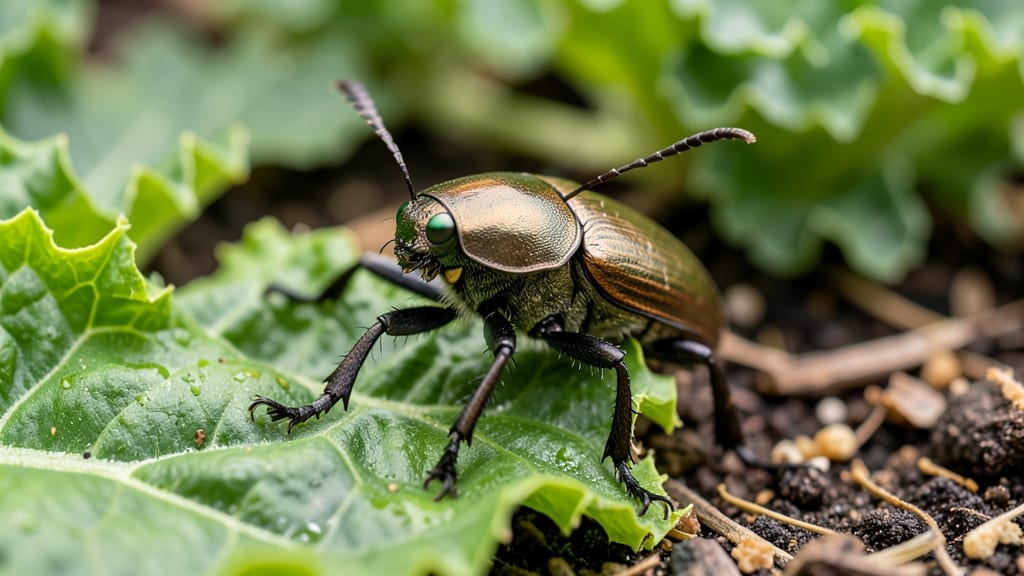
Birds like thrushes and blackbirds, amphibians such as frogs and toads, and beneficial insects like ground beetles and rove beetles all eat garden snails. These natural predators help keep snail populations in check without chemicals.
Nature has its own way of managing garden pests, and snails are no exception. 🔥 Thrushes and blackbirds use their sharp beaks to extract snails from leaves, while frogs and toads ambush them at night when they're most active.
Ground beetles and rove beetles play a crucial role by targeting snail eggs and young, preventing populations from exploding. Even some predatory snails and centipedes contribute to this natural balance, making them silent garden allies.
What's fascinating is how these predators complement each other. Birds handle the larger snails, amphibians take care of the nocturnal activity, and insects control the lifecycle from the start.
This ecological teamwork means you don't need harsh chemicals to keep your garden healthy—just the right conditions for these natural helpers to thrive.
💡 In This Article
- Top Natural Predators of Garden Snails and Their Hunting Methods
- How to Encourage Snail Predators in Your Garden
Top natural predators of garden snails and their hunting methods
The thrush family—including song thrushes and mistle thrushes—are among the most effective snail hunters. These birds use their sharp, pointed beaks to extract snails from leaves and stems with remarkable precision. A thrush can consume 50-100 snails per day during peak seasons, targeting those 1-2 cm in size.
Their hunting technique involves flipping the snail out of its shell with rapid pecking motions, a process that takes about 10-15 seconds per snail. 🔥 This specialized behavior makes them invaluable for controlling garden snail populations before they cause significant damage to plants.
Frogs and toads take a different approach, relying on stealth and ambush tactics. These amphibians are nocturnal hunters, waiting motionless near snail trails before striking with their sticky tongues. A common frog can detect snails using both visual cues and chemical signals left in their slime trails.
Their diet includes snails up to 3 cm in diameter, and they often target those that have left their shells unattended during nighttime foraging. Toads, with their dry skin, are less dependent on water sources, allowing them to thrive in drier garden conditions where snails are prevalent.
Ground beetles and rove beetles operate at a smaller scale but with equal effectiveness. These insects specialize in consuming snail eggs and young juveniles, which are often overlooked by larger predators.
A single ground beetle can devour 5-10 snail eggs per night, disrupting the snail lifecycle before populations can grow. Their presence is especially beneficial in early spring when snail eggs hatch.
These beetles are also generalist predators, helping control other garden pests like slugs and caterpillars, making them a multifunctional asset in any garden ecosystem.
Hedgehogs play a unique role as generalist predators that consume snails as part of a varied diet. These nocturnal mammals have a keen sense of smell and can detect snails hiding in leaf litter or under garden debris.
A hedgehog can eat up to 50 snails in a single night, though their diet also includes insects, worms, and small vertebrates. Their foraging habits help aerate the soil as they search for prey, contributing to overall garden health.
However, their effectiveness depends on having access to undisturbed garden areas with plenty of hiding spots for snails.
Centipedes and predatory snails like the banded snail add another layer of control. Centipedes use their venomous front legs to paralyze snails before consuming them, while predatory snails rely on their sharp radula (a tongue-like organ) to drill into other snails' shells.
These predators are particularly effective in moist, shaded areas where snails are most active. Their presence often indicates a balanced garden ecosystem, as they thrive alongside other beneficial organisms without requiring human intervention.
What makes this predator network so effective is their complementary roles. Birds handle the larger, more visible snails during the day, amphibians control nocturnal activity, and insects manage the lifecycle from egg to adult.
This division of labor ensures that snail populations remain naturally regulated without the need for chemical interventions. Understanding these methods can help gardeners create environments that support these natural allies. 💫