
Pests
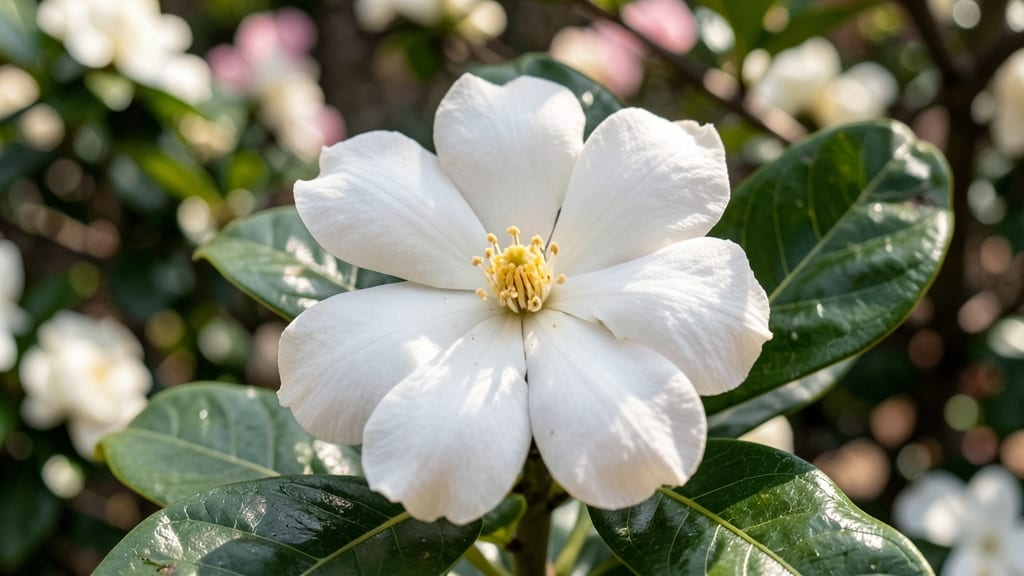
Deer-resistant gardenia varieties include Cape Jasmine (Gardenia jasminoides), Bigleaf Gardenia (Gardenia augusta), and Rock Gardenia (Gardenia radicans), which contain mild toxins and strong fragrances deer avoid. Pruning and companion planting further deter browsing.
Deer tend to avoid gardenias because their leaves contain bitter alkaloids and potent essential oils that create strong floral scents—unlike deer favorites like roses or hostas, which offer little resistance. 🌿 The most effective varieties for deterring deer combine these natural defenses with dense foliage that makes browsing less appealing.
I’ve found that regularly trimming back overgrown branches and planting deer-repelling companions like lavender or Russian sage creates an even stronger protective barrier in your garden.
These varieties thrive in zones 8-11, making them ideal for warm climates where deer are most active. Their glossy leaves and fragrant blooms add beauty while keeping browsing pressure low, so they’re a smart choice for both ornamental and functional landscaping.
💡 In This Article
- Why Deer Avoid Certain Gardenia Varieties
- Best Deer-Resistant Gardenia Varieties for Landscaping
Why deer avoid certain gardenia varieties
Deer instinctively avoid gardenias because these plants contain natural chemical defenses that make them unpalatable. The key compounds are bitter alkaloids—specifically gardenoside and gardenosol—which create a sharp, unpleasant taste when ingested.
These compounds act like built-in pesticides, deterring herbivores while allowing the plant to thrive. The concentration varies by variety, with Rock Gardenia (Gardenia radicans) containing the highest levels of these natural deterrents.
The strong floral scent also plays a crucial role in deer avoidance. Gardenias release jasmine-like essential oils through their leaves and blooms, creating an overpowering aroma that deer find overwhelming—similar to how humans might avoid a room filled with strong perfume.
Studies show deer have an acute sense of smell, and these oils trigger an avoidance response. For comparison, deer-preferred plants like roses emit milder scents, making them more appealing targets for browsing.
Texture and foliage density further discourage deer. Gardenias have thick, waxy leaves that feel coarse to the touch, unlike the tender foliage of hostas or roses. This structural defense makes chewing less rewarding, as deer must expend more energy to consume small amounts.
The plant's natural growth habit—often forming dense shrubs—creates a physical barrier that deters casual browsing attempts.
Seasonal factors also influence deer behavior. During late spring and summer, when gardenias produce their most fragrant blooms, deer are less likely to approach. This timing coincides with peak deer activity, making gardenias particularly effective as natural deterrents during high-risk periods.
The combination of chemical, sensory, and structural defenses makes these plants uniquely resistant to deer damage compared to other ornamental shrubs.
For gardeners, understanding these mechanisms helps explain why some gardenia varieties thrive in deer-prone areas while others suffer damage. The Bigleaf Gardenia (Gardenia augusta), for example, produces larger leaves with higher concentrations of essential oils, making it even more effective at repelling deer.
This variety's glossy, dark green foliage also reflects sunlight differently, further reducing its appeal to foraging animals.
In contrast, deer often target plants with soft stems and mild flavors, like hostas or daylilies. The stark difference in plant chemistry and structure explains why gardenias remain largely untouched in landscapes where other plants are frequently browsed.
This natural resistance makes them an excellent choice for gardeners seeking low-maintenance, deer-resistant landscaping solutions.
To maximize these effects, I recommend planting gardenias in groups rather than isolated specimens. The cumulative scent and visual impact create a stronger deterrent, while the dense foliage forms a natural barrier that deer prefer to avoid. 🌿