
Blooming
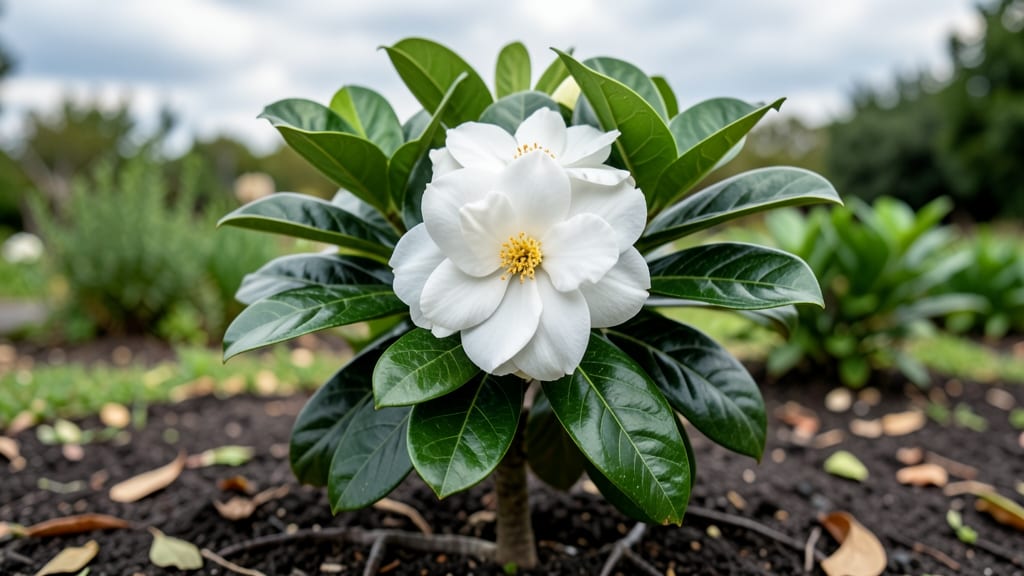
The gardenia flowering season is your chance to transform your yard into a fragrant paradise 🌸 — but timing and care make all the difference.
If you’ve ever wondered why your gardenias refuse to bloom—or how to coax those intoxicating white flowers into season—you’re not alone. Most gardeners in USDA Zone 6a miss the prime window because they don’t know the subtle cues that trigger blooms.
Spring and summer are when gardenias naturally burst into fragrance, but light, pruning, and soil all play a role in whether they’ll deliver. Too much nitrogen? You’ll get leaves, not flowers.
Too little shade? The buds may never open. The good news? A few simple adjustments can turn a leafy shrub into a blooming superstar.
Below, I’ll walk you through the exact seasonal timing, regional tweaks, and care tricks to ensure your gardenias don’t just survive the blooming season—they thrive in it.
Understanding gardenia flowering season: natural timing & climate factors
Gardenia flowering season typically unfolds between late spring and summer, with peak blooms arriving in June and July for most varieties. This timing isn't random—it's triggered by specific climate cues and environmental conditions that gardenias have evolved to rely on.
Understanding these natural patterns helps you anticipate blooms and create ideal conditions for your plants.
In USDA Zones 8-11, gardenias naturally bloom from May through August, while cooler zones (6-7) may experience delayed blooms until late June or July. The key difference lies in temperature shifts: gardenias need warm days above 70°F and cool nights around 60°F to set flower buds.
Without these temperature fluctuations, blooming can be sparse or nonexistent.
Sunlight exposure plays a crucial role too. Gardenias thrive with 4-6 hours of morning sun followed by afternoon shade. Too much direct afternoon sun can stress plants, delaying or preventing flowering. This light pattern mimics their natural tropical habitat where they grow under dappled canopy light.
Now let's break down the essential factors that influence gardenia flowering season in this summary table:
The temperature shift between day and night is particularly important. Gardenias native to tropical regions experience these natural fluctuations, which signal to the plant that it's time to produce flowers. In cooler climates, you might need to provide afternoon shade to mimic these conditions and encourage blooming.
For peak fragrance, gardenias need consistent moisture but never soggy soil. The high humidity levels of their native habitats (50-70%) help develop those signature intoxicating scents. In drier climates, consider using a humidifier nearby or placing plants on trays with pebbles and water to increase ambient moisture.
One common misconception is that gardenias bloom continuously. In reality, they produce flowers in flushes that last about 4-6 weeks each season. After the initial bloom period, you may see smaller secondary flushes if conditions remain ideal. Understanding this natural cycle helps manage expectations and care routines.
If you're in Zone 6 or cooler, gardenias may only bloom for 2-3 weeks in late summer due to shorter growing seasons. Container-grown gardenias in these areas often need to be wintered indoors to survive and rebloom the following year.
This indoor transition can actually extend their flowering season by 2-4 weeks when moved back outside in spring.
Finally, the age of your gardenia plant affects flowering. Younger plants (under 2 years) often focus energy on foliage growth rather than blooms. It typically takes 3-4 years for gardenias to reach full flowering potential.
Patience and consistent care during these early years pay off with more abundant blooms in later seasons.
By aligning your care routine with these natural patterns, you'll create the perfect conditions for your gardenias to reward you with fragrant, show-stopping blooms every season. 🌸
How to encourage gardenia blooms: pruning, fertilizing & light tricks
Your gardenia’s thick, glossy leaves might look lush, but without regular blooms, it’s missing its star quality. The secret to triggering those fragrant white flowers lies in three key areas: pruning timing, fertilizer balance, and light management.
Many gardeners overlook how these factors interact—especially the nitrogen-to-phosphorus ratio—which can mean the difference between a bush full of buds and one full of leaves. Let’s fix that.
First, understand that gardenias bloom best in late spring to summer, but only when they’re not stressed. Too much direct afternoon sun can scorch buds, while over-fertilizing with nitrogen (like lawn fertilizer) promotes leafy growth at the expense of flowers.
The goal? Encourage phosphorus (the "P" in NPK) to spur blooming while keeping nitrogen in check. I’ve seen gardeners double their flower count just by adjusting their fertilizer blend.
🌸 Encouraging Gardenia Blooms: Pros & Cons
✅ DO THIS
- Prune after blooming (late summer/early fall)
- Use 10-10-10 or 5-10-10 fertilizer (higher phosphorus)
- Provide morning sun + afternoon shade
- Water deeply 2-3x/week (no soggy soil)
- Pinch back new growth tips in spring
❌ AVOID THIS
- Pruning in winter (stimulates new growth too late)
- Overwatering (root rot kills blooms)
- Using high-nitrogen fertilizer (like 30-10-10)
- Placing in hot afternoon sun (buds burn)
- Skipping deadheading (encourages more buds)
Let’s start with pruning, which most gardeners get wrong. The best time to prune gardenias is right after they finish blooming—typically in late summer or early fall. This gives the plant time to harden off before winter and set next year’s buds during its dormant phase.
If you prune in spring, you’ll trigger new growth that won’t have time to bloom before summer’s heat. Pro tip: Use sterilized shears to avoid spreading fungal diseases.
Next, fertilizer choices make or break blooming. Gardenias need more phosphorus than nitrogen—think 10-10-10 or 5-10-10 blends. A common mistake? Using lawn fertilizer (high in nitrogen), which makes your gardenia leafy but flowerless.
I recommend applying fertilizer every 4-6 weeks during active growth (spring and summer), but skip it in fall and winter when the plant rests. Always water deeply after fertilizing to prevent root burn.
Light is the wildcard most gardeners miss. Gardenias thrive on bright, indirect light—think 4-6 hours of morning sun followed by afternoon shade. Too much direct sun (especially in hot climates) can scorch buds before they open, while too little light weakens flowering.
If your gardenia is indoors, place it near an east-facing window where it gets gentle morning light without harsh afternoon rays. For outdoor plants, dappled shade under trees works beautifully.
Finally, don’t overlook deadheading—removing spent blooms. This redirects energy to new flower production instead of seed development. I snip off faded blooms with clean shears, making the cut just above a leaf node.
Pair this with regular watering (deep soaks 2-3 times per week in summer) and your gardenia will reward you with continuous blooms from spring to fall. With these tweaks, you’ll go from leafy disappointment to fragrant perfection in no time.