
Tools
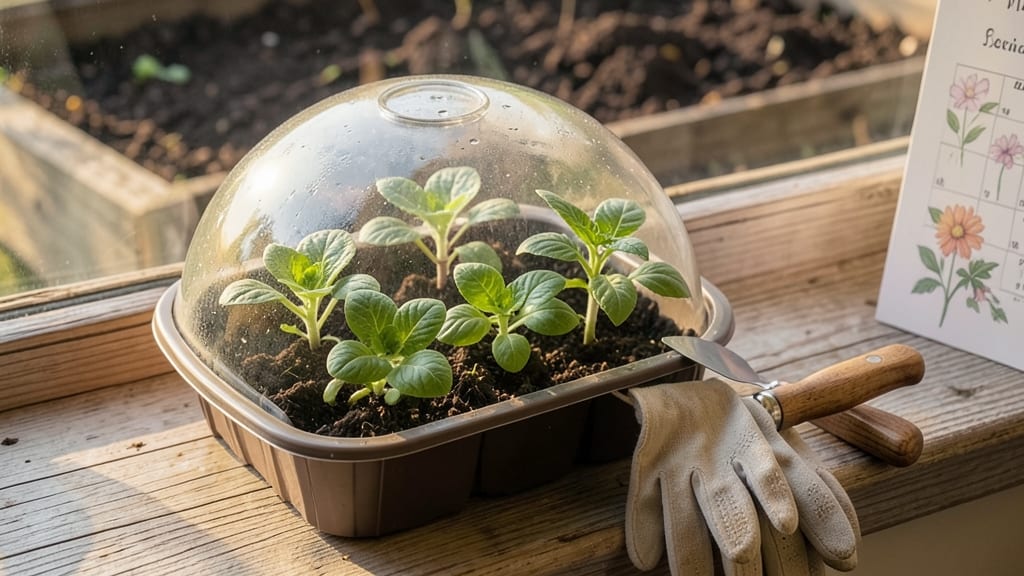
Starting a vegetable garden at the right time means the difference between a thriving 🥬 harvest and wasted effort—so timing your first seeds or transplants is everything.
Timing your vegetable garden start can mean the difference between a bumper crop and a disappointing harvest—yet most gardeners miss the optimal windows for their climate zone.
In Zone 6a, where last frosts hit around mid-April, cool-season crops like lettuce and peas should go in by March, while tomatoes and peppers wait until after May 15.
This guide breaks down the exact planting windows for your zone, plus pro tips to adjust for microclimates, soil prep, and seasonal strategies that keep your garden productive all year.
Climate-zoned planting windows: when to start by USDA hardiness zone
Timing your vegetable garden start depends entirely on your USDA hardiness zone, which determines your average last frost date and growing season length. In Zone 3 (e.g., Minneapolis), you’ll plant weeks earlier than in Zone 10 (e.g., Miami), where frost is rare.
Understanding these windows ensures your cool-season crops like broccoli and warm-season crops like tomatoes thrive without frost damage or heat stress.
Your planting window isn’t just about frost dates—it’s also about soil temperature thresholds. For example, peas and spinach can tolerate 40°F soil, while tomatoes need 60°F+ to germinate.
Below, we’ll break down early spring, late winter, and fall planting opportunities for each zone, including regional tweaks like the Pacific Northwest’s cooler summers or the Deep South’s extended growing seasons.
🌱
| USDA Zone | Last Frost Date (Avg.) | Early Planting Window | Late Planting Window | Key Crops for Zone |
|---|---|---|---|---|
| Zone 3-4 (e.g., Chicago, Denver) | May 10–15 | 4–6 weeks before last frost (Mar–Apr) | June 1–15 (warm crops) | Peas, spinach, kale, potatoes, cabbage |
| Zone 5 (e.g., Detroit, Omaha) | April 25–May 10 | Late Mar–early Apr (cool crops) | June 15–July 1 (warm crops) | Lettuce, carrots, tomatoes, peppers, beans |
| Zone 6 (e.g., Philadelphia, Kansas City) | April 15–20 | Feb–Mar (cool crops under cover) | July 1–15 (warm crops) | Broccoli, cucumbers, squash, green beans |
| Zone 7 (e.g., Atlanta, Portland) | March 15–April 1 | Jan–Feb (cool crops) | July 15–Aug 1 (warm crops) | Radishes, okra, sweet potatoes, eggplant |
| Zone 8 (e.g., Dallas, San Francisco) | February 15–March 1 | Oct–Nov (fall crops) or Feb (spring) | Aug 15–Sept 15 (warm crops) | Collards, peppers, tomatoes, melons |
| Zone 9 (e.g., Los Angeles, Orlando) | December 15–January 1 | Year-round (succession planting) | Sept–Nov (cool crops) | Lettuce, spinach, zucchini, basil, herbs |
| Zone 10 (e.g., Miami, Phoenix) | Rare (Dec–Jan only) | Year-round (adjust for heat) | Oct–Nov (avoid summer heat) | Okra, sweet potatoes, tomatoes, peppers |
| Zone 11 (e.g., Hawaii, Puerto Rico) | None (tropical climate) | Year-round (shade in summer) | Avoid Dec–Feb (heavy rain) | Bananas, yams, peppers, eggplant |
| 💡 Note: Adjust for microclimates (e.g., urban heat islands, coastal breezes) and soil warmth. | ||||
In Zones 3–5, focus on early spring planting (4–6 weeks before last frost) for cool-season crops like peas and lettuce. Use row covers to extend your window by 2–4 weeks.
Meanwhile, warm-season crops like tomatoes and peppers should wait until soil temps reach 60°F+, typically mid-to-late May in these zones.
For Zones 6–8, you gain flexibility with late winter and fall planting
How to adjust planting times for your local microclimate and soil conditions
Your local microclimate can shift planting times by 2-4 weeks compared to official USDA zone averages. Urban heat islands, high-altitude chill, and coastal breezes all demand custom adjustments.
For example, a Zone 7a garden in Denver might need late-spring starts due to late frosts, while a Zone 7b garden in Atlanta can plant 2 weeks earlier thanks to milder winters. Soil type also matters—clay soils stay cold longer, while sandy soils warm up faster in spring.
Start by checking your frost-free dates from local weather stations, not just zone averages. Many regions experience false springs where warm spells fool gardeners into planting too early. Use a soil thermometer ($15 at garden centers) to verify when temperatures hit 40°F+ for cool crops or 60°F+ for warm-season plants.
This simple tool prevents wasted seeds and heartbreak.
For high-altitude gardens (e.g., Colorado Springs at 6,000 ft), plant 2-3 weeks later than valley gardens. The thinner air delays soil warming, so use black plastic mulch or low tunnels to jumpstart growth.
Coastal gardeners should watch for salty winds—amend soil with compost to improve drainage and flush excess salt with rainwater.
Test your soil pH and texture before planting. Clay soils hold moisture but compact easily, while sandy soils drain too fast. Amend clay with compost and perlite, and mix peat moss into sandy soil.
Aim for pH 6.0-7.0 for most vegetables—tomatoes and peppers prefer 6.0-6.8, while carrots and onions thrive at 6.0-7.0.
Pro tip: Start heat-sensitive crops indoors 4-6 weeks before your last frost date. Use grow lights for 14-16 hours/day to prevent leggy seedlings. Transplant outdoors when seedlings have 2-3 sets of true leaves and soil temps are stable.
Harden off seedlings gradually by exposing them to outdoor conditions for 1 week before planting.