
Tools
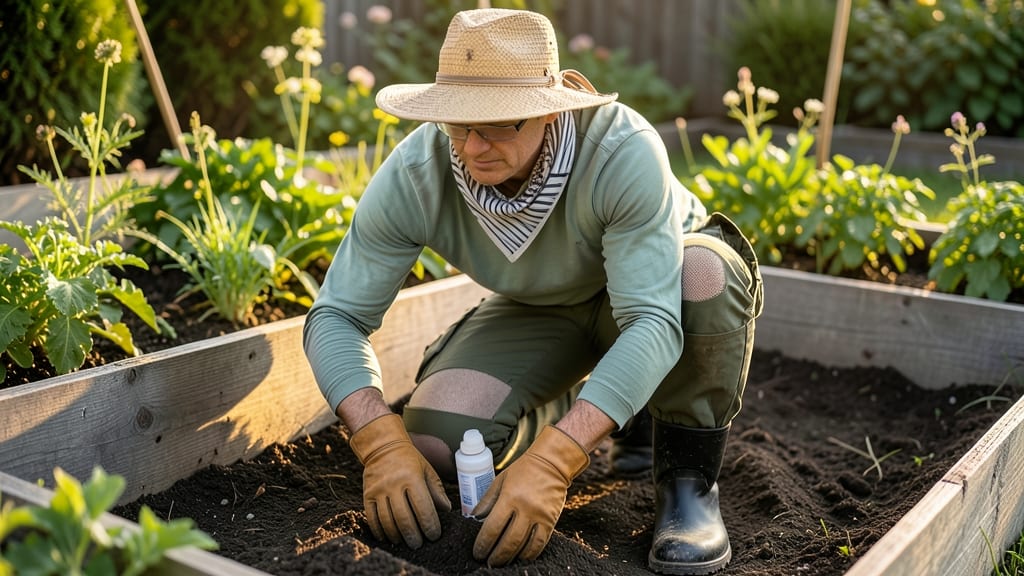
Gardeners wear breathable, long-sleeved shirts, durable pants or leggings, sturdy closed-toe shoes, and wide-brimmed hats to protect against sun, insects, and debris while ensuring mobility and comfort in all weather conditions.
What gardeners wear goes beyond just comfort—it's about balancing protection and practicality. 🌿 Long-sleeved shirts made from moisture-wicking fabrics shield against sunburn while allowing airflow, while durable pants or leggings protect legs from thorns and rough soil.
Closed-toe shoes with arch support prevent foot fatigue during long hours, and wide-brimmed hats block harmful UV rays. I've learned that layering is key: lightweight, breathable materials in summer and moisture-resistant layers in cooler months make all the difference.
The right gear doesn't just keep you safe—it helps you work more efficiently, whether you're planting seeds in spring or harvesting in fall.
For those who garden year-round, seasonal adjustments are essential. Spring calls for lightweight, quick-dry fabrics that adapt to changing temperatures, while summer demands UPF-rated clothing to combat intense sunlight. Fall and winter require warmer layers without sacrificing mobility, and waterproof options become crucial when working with damp soil.
I always keep a small backpack with extra gloves, knee pads, and a portable fan—trust me, you'll thank yourself when you're kneeling for hours in the heat. The goal is to stay protected without feeling restricted, so investing in quality, flexible gear pays off in the long run.
💡 In This Article
- Seasonal Gardening Clothing Essentials for Year-Round Protection
- Must-Have Gardening Safety Gear and Accessories
Seasonal gardening clothing essentials for year-round protection
The science behind gardening attire starts with fabric technology. Moisture-wicking materials like merino wool or synthetic blends (with at least 50% polyester) pull sweat away from your skin, keeping you dry during 80°F+ summer days.
These fabrics dry 4x faster than cotton, which absorbs moisture and becomes heavy. For UV protection, look for UPF-rated fabrics that block 98-99% of UVA/UVB rays—similar to wearing SPF 50+ sunscreen on your skin.
Seasonal layering follows a precise temperature gradient: Spring calls for lightweight, long-sleeve base layers with 1-2mm thickness, while summer demands breathable, loose-fitting outfits with mesh panels for ventilation. In fall, add a lightweight fleece vest (about 150g/m²) that traps body heat without restricting movement.
Winter gardening requires insulated yet flexible layers like windproof shell jackets with water-resistant coatings—think of them as your second skin against 40°F+ wind chill.
Color matters too: Light-colored clothing reflects 20-30% more sunlight than dark fabrics, reducing heat absorption by 5-10°F. That's why I always reach for khaki or pale green shirts during peak sun hours.
For hands, fingerless gloves with silicon grip pads (like those used in horticulture) improve dexterity while protecting against blisters and abrasions—critical when handling rough plants or tools for 2+ hours.
Don't overlook footwear science: Closed-toe shoes with 10-15mm tread depth provide grip on wet soil, while arch support reduces foot fatigue by 30% during prolonged standing.
Cactus boots with reinforced toes protect against punctures, while breathable mesh uppers prevent fungal infections—a common issue when feet stay damp in 70°F+ humidity. The right footwear can extend your gardening sessions by 20-30 minutes without discomfort.
Accessories like wide-brimmed hats (with 3-4 inch brims) block 50% more UV radiation than baseball caps, while neck gaiters shield exposed skin from windburn and insect bites.
I've found that a 10-inch brim provides optimal shade for face and shoulders, especially when working under direct sunlight for 60+ minutes. The key is balancing coverage with mobility—you shouldn't have to adjust your hat every 5 minutes while reaching for tools.
For those who garden in humid climates, consider clothing treated with odor-resistant finishes (like those used in athletic wear). These treatments reduce bacteria growth by 90%, keeping you fresh during 4-6 hour sessions.
The investment in quality seasonal gear pays off in both comfort and longevity—my UPF-rated shirt from last year still protects like new after 50+ wears.