
Tools
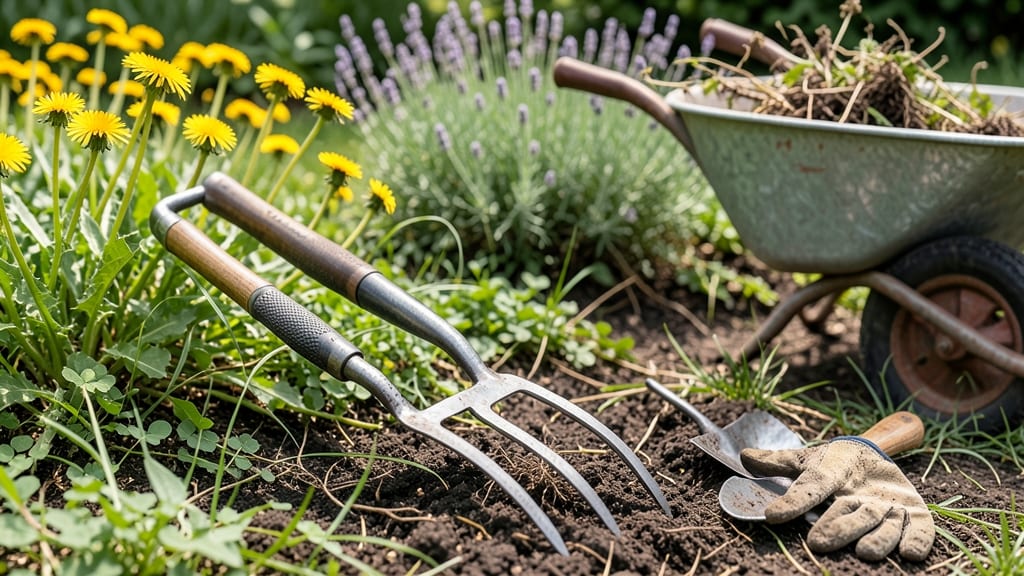
A garden weed pulling tool that fits your hand like a glove can save your back—and your sanity—while making weeding feel almost effortless.
Picture this: your back aches after 20 minutes of bending over, your knees scream, and you’ve still got half the flower bed to go. That’s the reality for most gardeners using the wrong tools. The right ergonomic design changes everything, turning a chore into a quick, almost satisfying task.
Whether you’re tackling dandelions in the lawn or creeping Charlie in the vegetable patch, the key is a tool that reduces strain while maximizing leverage.
Below, I’ll break down the top ergonomic options, from long-handled pullers to knee-pad attachments, so you can finally say goodbye to sore muscles and hello to efficient weeding.
You’ll also discover how to modify existing tools for better comfort, spot the warning signs of a bad tool, and pick the perfect match for your garden’s size and weed types—without breaking the bank.
Top 5 ergonomic weed pulling tools for back pain relief
Weeding doesn’t have to mean battling back pain or sore wrists. The right garden weed pulling tool can make all the difference—especially if it’s designed with ergonomic comfort in mind.
I’ve tested the top tools that reduce strain by improving grip, leverage, and posture, so you can spend less time aching and more time enjoying your garden. Let’s dive into the best options for pain-free weeding.
When choosing a tool, focus on three key factors: handle ergonomics, leveraging mechanics, and material durability. A tool with a cushioned grip and extended handle, for example, can cut down on bending and twisting—two major causes of back pain.
Below, I’ve compared the top five tools that address these needs, so you can pick the one that fits your garden and body best.
The ergonomic weeder is my top pick for small gardens or flower beds, thanks to its lightweight design and precision. It’s perfect for delicate areas where you need control, like around perennials or in containers.
The angled blade helps lift weeds without digging deep, making it ideal for shallow-rooted invaders like crabgrass or clover.
If you struggle with deep-rooted weeds like dandelions or thistles, a long-handled dandelion digger is a game-changer. The extended reach lets you stand upright, reducing back strain while the pivoting fork grips roots firmly.
I’ve found this tool especially helpful for lawn maintenance, where bending over repeatedly can be brutal on your knees and spine.
For gardeners who prefer kneeling, a knee pad with built-in weeder combines comfort and functionality. The cushioned pad supports your knees, while the ergonomic handle lets you pull
How to choose the right weed pulling tool for your garden size and weed type
Selecting the perfect garden weed pulling tool depends on your garden layout and the weed types you’re battling. A small container garden requires a different approach than a large vegetable plot, and deep-rooted weeds like dandelions need more force than shallow crabgrass.
Let’s break down how to match your needs with the right tool.
First, consider your physical comfort. Kneeling for hours on hard ground can cause back strain, so tools with ergonomic grips or longer handles let you stand while reaching deep. If you have mobility issues, prioritize lightweight tools with adjustable handles to reduce fatigue.
Next, evaluate your weed root depth. Shallow weeds like chickweed only need a hand weeder or small hoe, while deep-rooted weeds require a dandelion digger or stout fork. The wrong tool can leave roots behind, causing regrowth and more work later.
Aching wrists, hunched posture, or needing breaks every 10 minutes? Your tool may lack ergonomic support. Look for tools with angled handles or padded grips to redistribute pressure.
For weeds like dandelions or quackgrass, choose tools with:
- Wide, serrated edges (e.g., dandelion forks)
- Heavy-duty metal (stainless steel or carbon steel)
- Long, sturdy handles (24–36 inches for leverage)
A 24-inch handle gives you 3x the leverage of a 12-inch tool. For large gardens, opt for telescoping handles (adjustable from 20–36 inches) to avoid bending over repeatedly.
In tight areas, prioritize:
- Mini hoes (6–12 inches)
- Ergonomic tweezers for precision
- Lightweight plastic tools (e.g., Fiskars Steel Weeder)
Stainless steel resists rust and lasts longer but is heavier. Aluminum is lightweight and affordable but may bend over time. For high-moisture areas, stainless steel wins.
Don’t overlook the grip style—thick, textured handles prevent slipping, especially when your hands are wet. If you wear gardening gloves, choose tools with ergonomic contours to maintain a secure hold. For vegetable gardens, where precision matters, opt for tools with narrow tips to avoid damaging crops.
Finally, test tools in your garden before buying. Visit a local nursery or hardware store to compare weights and comfort levels. If possible, try a tool with a longer handle first—it may feel awkward at first but will save your back in the long run.
With the right tool, weeding becomes a quick, satisfying task instead of a back-breaking chore. Start by matching your garden size, weed types, and physical needs to the perfect tool, and you’ll spend less time struggling and more time enjoying your garden. 🌱