
Blooming
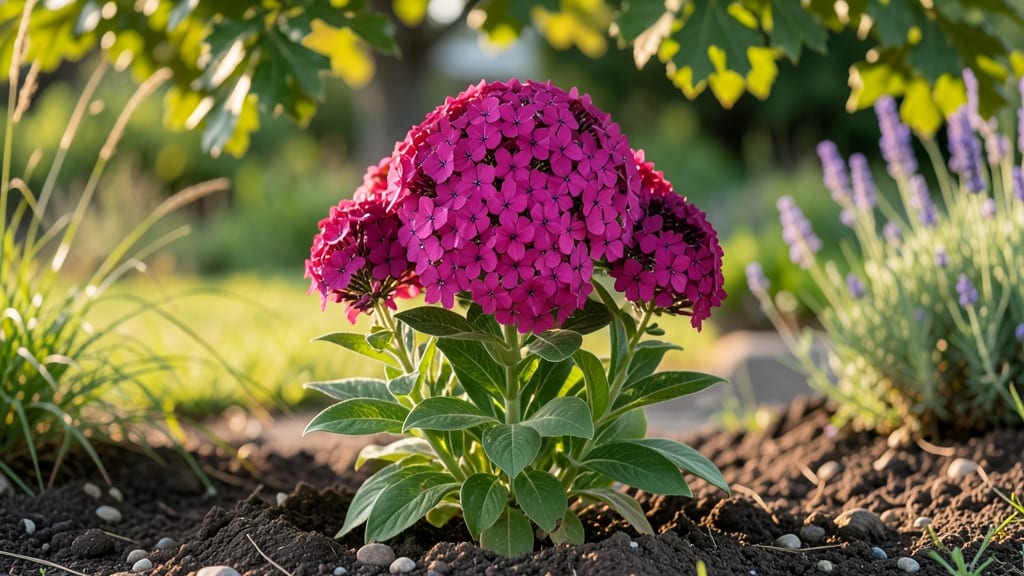
Garden phlox blooms in late spring to early summer 🌸, with timing that shifts dramatically depending on your USDA zone.
If you've ever waited eagerly for those clusters of color to appear—only to find your neighbors' gardens already bursting with blooms—you know how frustrating timing can be. The difference between a three-week show and a six-week spectacle often comes down to variety selection, deadheading habits, and even your local microclimate.
In cooler zones like 6a, phlox typically kicks off in early June, while warmer regions in Zone 8 or 9 may see flowers as early as May. The key to maximizing your display? Choosing the right cultivars and learning when to prune for a second flush of blooms.
Below, I’ll break down exactly when to expect color by zone, plus pro tips to stretch your phlox season from early summer well into fall.
Garden phlox bloom time by USDA Zone: exact months to expect flowers
Garden phlox (Phlox paniculata) is one of the most beloved summer-blooming perennials, but its exact timing varies dramatically depending on your USDA hardiness zone.
In cooler zones like Zone 3-4, you might see blooms as early as late June, while in warmer Zone 9-10, phlox can flower from April through September. Understanding these variations helps you plan for peak color and avoid disappointment when your phlox doesn’t bloom on schedule.
Microclimates also play a huge role—coastal areas (like the Pacific Northwest) often bloom 2-3 weeks earlier than inland regions due to milder temperatures. Meanwhile, hotter inland zones (e.g., Arizona or Texas) may experience prolonged summer blooming if given afternoon shade.
Let’s break down the exact months and regional nuances so you can set your expectations—and your garden calendar—correctly.
If you’re in Zone 3-4, your phlox likely won’t bloom until late June or early July, especially if spring was cold. I’ve found that mulching in early spring helps warm the soil faster, sometimes shaving off 1-2 weeks from the bloom timeline.
For example, in Zone 4 Minnesota, I’ve seen 'David' phlox start blooming by July 1st with proper soil prep, while untreated beds might wait until mid-July.
In Zone 5-6, the bloom window stretches from early July to mid-September, but regional differences are stark. The Pacific Northwest (e.g., Seattle) often sees blooms 2-3 weeks earlier than Midwest states like Ohio or Indiana due to cooler, wetter summers.
To extend your phlox season, choose continuous-flowering varieties like 'Blue Paradise' and deadhead regularly—this can add 3-4 extra weeks of color.
Warmer zones like Zone 7-10 offer the longest bloom periods, with some varieties flowering from April through September.
In Zone 9 Southern California, I’ve observed 'Lipstick' phlox rebloom after a light summer pruning, while in Zone 10 Arizona, afternoon shade is critical to prevent heat stress. Always monitor your local high-temperature alerts—phlox can bolt if stressed by sudden heatwaves.
Adjusting for unusually cool or warm years is key. If your area experiences delayed spring (like the 2022 Midwest freeze), expect blooms to push back by 3-4 weeks. Conversely, early springs (e.g., 2021 Pacific Northwest) can bring blooms 4-6 weeks ahead of schedule.
Keep a garden journal to track your phlox’s bloom patterns—this helps you plan companion plants (like black-eyed Susans or coneflowers) for seamless seasonal transitions.
For cooler microclimates (e.g., high-altitude gardens or shaded spots), opt for early-blooming varieties like 'Jeanne d’Arc' to capitalize on shorter summers. In hot, dry climates, prioritize afternoon shade and consistent watering to prevent early senescence.
I’ve had success in Zone 8 Texas by planting phlox near deciduous trees—the natural shade in summer keeps foliage lush while allowing full sun in spring.
Pro tip: Deadheading spent blooms isn’t just about looks—it signals the plant to produce new buds, often extending the season by 4-6 weeks. In Zone 6-7, I’ve seen 'Sherwood Purple' rebloom in late August after a mid-summer trim.
Pair this with a balanced fertilizer (10-10-10) in early June to fuel vigorous regrowth.
🌸
How to extend garden phlox bloom time with deadheading and care tips
Your garden phlox can transform from a short-lived burst of color to a months-long floral spectacle with the right care. The secret lies in understanding when and how to deadhead, along with smart fertilizing and watering routines.
Unlike some perennials, phlox responds dramatically to these techniques—especially if you choose continuous-flowering varieties like 'David' or 'Lipstick'.
I’ve found that deadheading every 3-5 days during peak bloom can extend your display by 4-6 weeks, while a single late-summer pruning can trigger a second flush of flowers.
The key is timing: act too early, and you stunt growth; wait too long, and you miss the window for a prolonged show. Let’s break down the exact steps to maximize your phlox’s potential.
🌸 5 Pro Tips to Extend Phlox Bloom Time
- 🔹 Deadhead daily during peak bloom: Snip spent blooms just above the first set of leaves to redirect energy to new flowers. Use clean, sharp bypass pruners to avoid damaging stems.
- 🔹 Fertilize in stages: Apply a balanced 10-10-10 fertilizer in early spring and again after the first deadheading. Avoid high-nitrogen feeds in summer—they promote foliage over flowers.
- 🔹 Water at the base in the early morning to prevent fungal diseases like powdery mildew. Mulch with 2-3 inches of organic matter to retain moisture and suppress weeds.
- 🔹 Prune leggy stems in late summer (after the first bloom cycle) to encourage a second flush. Cut back one-third of the plant to promote bushier, more compact growth.
- 🔹 Choose continuous bloomers: Varieties like 'Blue Paradise' or 'Starfire' produce non-stop flowers with minimal deadheading, while single-bloom types (like 'Dr. T. A. Larson') need more frequent attention.
For overgrown or leggy phlox mid-season, don’t panic—revival is possible. Start by pruning back 1/3 of the plant in early July, then fertilize lightly with a low-nitrogen, high-phosphorus formula (like 5-10-10) to stimulate blooming.
I’ve seen neglected phlox bounce back with a second bloom cycle in just 4-6 weeks using this method.
Watering is often the most overlooked factor in extending bloom time. Phlox thrives with consistent moisture but hates soggy roots. Aim for 1 inch of water per week, delivered deeply at the soil level.
In hotter zones (8-10), increase frequency to every 5-7 days and provide afternoon shade to prevent wilting.
Pro tip: Pair your phlox with companion plants that attract pollinators, like bee balm or lavender. This not only boosts your garden’s biodiversity but also encourages phlox to produce more abundant blooms by increasing cross-pollination. The result? A longer, more vibrant display that keeps your garden buzzing with activity.
With these techniques, you can turn your phlox from a fleeting summer highlight into a season-long star. Start with deadheading today, and watch your garden transform into a non-stop floral show—no matter your USDA zone. 🌿