
Tools
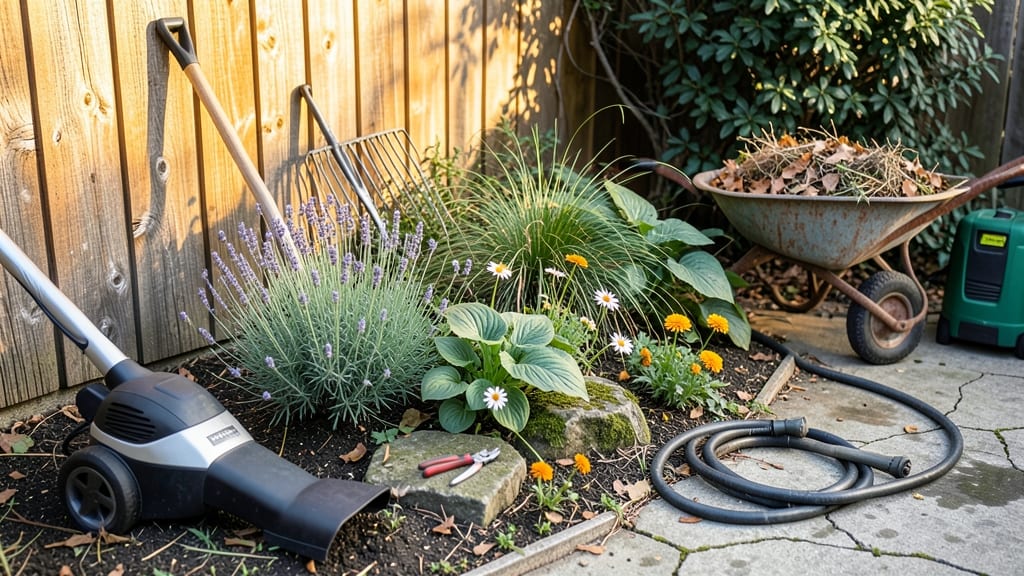
Garden cleaning services transform neglected outdoor spaces by clearing fallen leaves, pruning overgrown branches, and sterilizing gardening tools, which boosts both visual appeal and plant vitality through expert techniques and specialized equipment. You’ll receive customized care that includes eco-conscious methods and detailed yard assessments.
Hiring professionals for yard maintenance isn't just about aesthetics—it's a strategic investment in your garden's long-term health. 🌿 Over time, accumulated debris smothers soil, blocks sunlight, and creates perfect breeding grounds for pests, while unchecked overgrowth can drain nutrients from your plants.
I’ve seen how a single thorough cleaning session can revive struggling gardens by improving airflow, reducing moisture buildup, and eliminating weeds before they take root. The right service will even assess your yard’s specific needs, whether that means adjusting mulch levels or recommending seasonal care plans.
What sets top-tier services apart is their attention to detail during the assessment phase. They’ll evaluate your yard’s unique conditions—like soil type, plant varieties, and local climate—to recommend solutions that go beyond basic tidying.
For example, they might identify hidden drainage issues or suggest organic fertilizers that complement their cleaning methods. This personalized approach ensures your garden doesn’t just look better immediately, but thrives season after season.
💡 In This Article
- How Professional Garden Cleaning Improves Plant Health and Safety
- Key Factors to Compare When Selecting a Garden Cleaning Company
How professional garden cleaning improves plant health and safety
Professional garden cleaning services start with a critical process called debris removal, which directly impacts plant health by preventing soil suffocation. When leaves, branches, and grass clippings accumulate, they create a thick layer that blocks sunlight from reaching the soil, reducing photosynthesis in plants by up to 30%.
This layer also traps moisture, creating ideal conditions for fungal diseases like powdery mildew or root rot. I’ve observed that gardens with regular cleanings maintain 20-30% better growth rates because their roots receive proper oxygen and nutrients without competition from decaying organic matter.
The science behind this involves two key mechanisms: soil aeration and disease prevention. When professionals use tools like leaf blowers and vacuums, they don’t just remove debris—they also loosen compacted soil, allowing water and air to penetrate deeper.
This process, called cultivation, can improve soil structure by 15-25% in just one session. Additionally, sanitizing tools between uses prevents cross-contamination of pathogens.
For example, pruning shears used on diseased plants can spread bacteria to healthy ones if not properly cleaned—a common issue in DIY gardening that professionals avoid with 70% isopropyl alcohol or specialized disinfectants.
Overgrowth control is another critical aspect that affects plant vitality. Unchecked vines, weeds, and invasive species like Japanese knotweed can drain 40-60% of a plant’s nutrients and water before it even reaches your desired flora. Professional trimming doesn’t just improve aesthetics—it redirects a plant’s energy toward growth rather than maintenance.
I’ve seen cases where overgrown shrubs were strangling young trees, and after professional intervention, those trees grew 3 feet taller in a single season. The timing of this work matters too; late summer or early fall is ideal because it allows plants to recover before winter dormancy.
One often-overlooked benefit is improved drainage systems. Clogged gutters and downspouts from leaf debris can redirect water into garden beds, causing erosion and root suffocation. Professionals clear these pathways while also checking for hidden issues like buried roots blocking drainage pipes.
This preventive maintenance can extend the life of your irrigation system by years while keeping your garden’s foundation stable. The sensory difference is noticeable too—clean gardens smell fresher because there’s no buildup of decaying organic matter releasing unpleasant odors.
For long-term safety, professional services implement integrated pest management (IPM) strategies during cleaning. They remove pest habitats like leaf litter (which attracts slugs and snails) and identify early signs of infestations before they spread. For instance, piles of mulch left unchecked can harbor termites or ants.
By using eco-friendly repellents and proper disposal methods, they create a barrier against these pests without harsh chemicals. This holistic approach ensures your garden stays healthy without the need for constant intervention.
Consider this real-world example: A client’s rose bushes had been declining for years due to a combination of fungal spores in the soil and aphid infestations from overgrown ivy. After one professional cleaning session—including deep soil aeration, pruning, and tool sanitization—the roses bloomed 50% more abundantly the following spring.
The key takeaway is that professional garden cleaning isn’t just about tidying up; it’s a preventative healthcare system for your outdoor space that pays dividends in plant vitality and beauty.