
Tools
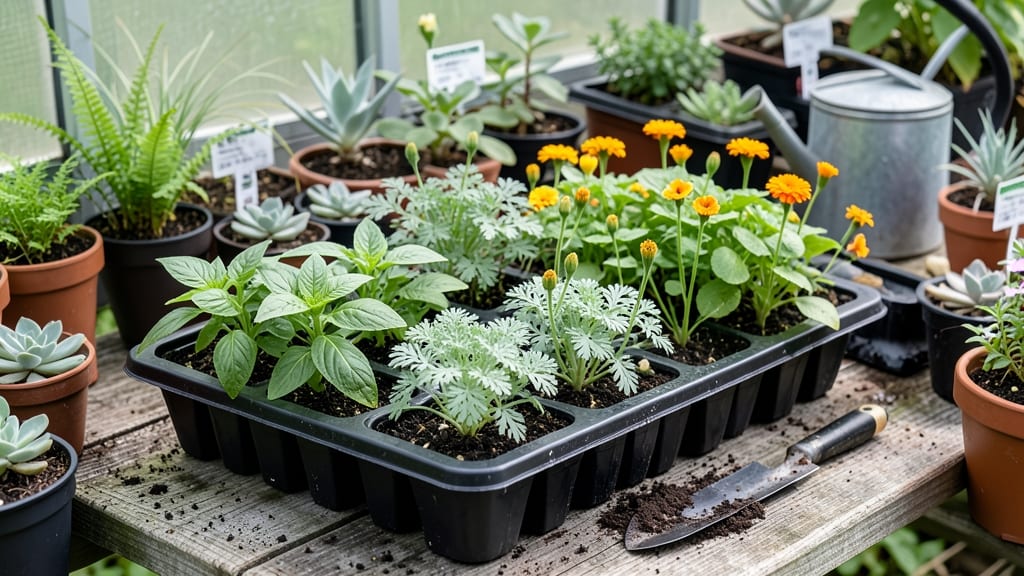
A garden nursery is a specialized retail space or online store that sells live plants, seeds, gardening supplies, and expert advice for home gardeners and landscapers. These businesses focus on nurturing healthy plant stock for home, commercial, or ornamental use.
A garden nursery serves as a hub for plant enthusiasts, offering everything from young saplings to expert guidance on plant care. 🌱 These stores specialize in cultivating healthy stock, often providing seasonal varieties that thrive in specific climates.
Whether you're a beginner looking for easy-to-grow herbs or a landscaper sourcing bulk perennials, nurseries cater to diverse needs by stocking everything from seeds to mature trees.
What sets nurseries apart is their dual role as both retailers and educators. Staff often share pruning tips, soil recommendations, and pest-control strategies tailored to your region.
For example, a native plant nursery might emphasize drought-resistant species perfect for local ecosystems, while a wholesale operation focuses on bulk orders for contractors. The right nursery combines quality stock with knowledgeable staff to help your garden flourish.
💡 In This Article
- Types of Garden Nurseries and Their Specializations
- How to Select the Best Garden Nursery for Your Needs
Types of garden nurseries and their specializations
Garden nurseries aren't one-size-fits-all—they come in distinct varieties, each tailored to specific gardening needs and scales. Retail nurseries, the most common type, operate like plant department stores, offering everything from potted annuals and perennial shrubs to gardening tools and fertilizers.
These stores often maintain greenhouses to nurture seedlings year-round, ensuring customers can purchase healthy starts regardless of season. Their target audience spans beginners to hobbyists, with staff typically providing basic care advice and plant selection guidance.
The wholesale nursery model serves a different purpose entirely, catering to landscapers, contractors, and large-scale gardeners. These operations focus on bulk sales of mature trees, shrubs, and ground covers**, often with minimum order quantities of 50+ plants.
What sets them apart is their emphasis on hardy, fast-growing species that can withstand transportation and planting stress. For example, a wholesale nursery might specialize in boxwood hedges or ornamental grasses that contractors use for commercial projects, with pricing structured per pallet rather than per plant.
Specialty nurseries take the concept further by focusing on niche plant categories that mainstream stores overlook. A native plant nursery, for instance, might stock 100+ regional species that support local ecosystems, with expertise in identifying plants that thrive without irrigation.
Succulent nurseries, on the other hand, specialize in drought-resistant varieties like echeveria or haworthia, often offering propagation workshops to teach customers how to grow their own collections.
These niche operations typically attract enthusiasts who appreciate rare or hard-to-find varieties, with staff who can discuss specific care requirements like well-draining soil mixes or light exposure needs.
Mail-order and online nurseries have revolutionized plant access, particularly for rare or seasonal varieties. These businesses excel in shipping bare-root plants (like fruit trees) or seed packets that might not be available locally, often with detailed growing guides included.
The key advantage is their ability to offer plants from around the world—think Japanese maples from Oregon or orchids from Costa Rica—while avoiding the limitations of physical storefronts.
However, success depends heavily on packaging innovations like hydration gel inserts to keep roots moist during transit, ensuring plants arrive in prime condition.
Each nursery type serves distinct purposes, but they all share one critical function: connecting plants to people who need them. Whether you're a home gardener seeking tomato seedlings or a landscaper sourcing 100+ azaleas, the right nursery combines inventory with expertise to meet your specific needs.
The diversity of options means you're never limited to what's available in your immediate area—just need to know where to look. 🌿