
Vegetables
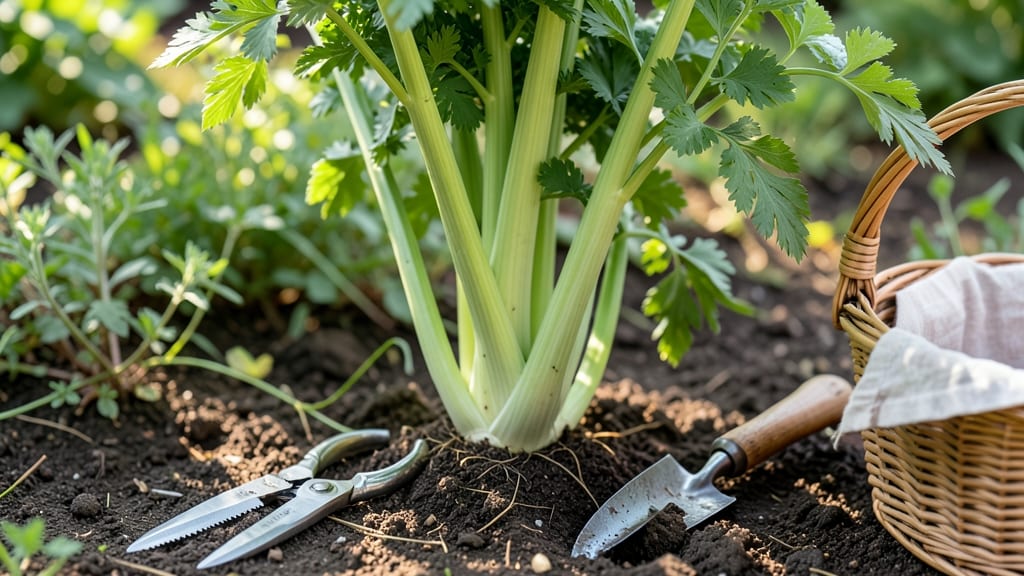
Harvesting garden celery at the right time ensures you get crisp, flavorful stalks packed with that satisfying crunch 🥬 — but timing it wrong can turn your homegrown bounty into sad, woody sticks.
Most gardeners wait too long, missing the peak when stalks are 10-12 inches tall and tightly packed, or pull them too early when they're still thin and sparse. The difference between perfect celery and disappointment comes down to knowing the exact visual cues and handling it just right.
In this guide, I’ll walk you through the best ways to spot when your celery is ready, how to cut it without damaging future growth, and even how to store it so it stays fresh for weeks.
Whether you're growing in Zone 6a or another region, these tips will help you maximize your harvest.
You’ll learn the three key signs of perfectly ripe celery, the best cutting techniques to encourage regrowth, and simple storage tricks that keep your celery crisp for soups, snacks, or salads all season long.


When to harvest garden celery for peak crunch and flavor
Harvesting celery at the wrong time can turn your crisp, flavorful stalks into limp, bitter disappointment. The key to perfect homegrown celery lies in watching for three critical signs: stalk thickness, leaf color, and firmness.
Most varieties take 100-150 days to reach harvest readiness, but rushing or delaying can ruin your yield.
Celery thrives in cool-season gardens, making spring and fall the ideal harvest windows. In warmer climates, late summer plantings can produce a second crop. The challenge? Many gardeners mistake leafy growth for maturity, leading to overgrown, woody stalks. Let me show you how to avoid these mistakes.
| Harvest Readiness Factor | Optimal Condition | What to Avoid |
|---|---|---|
| Stalk Height | 10-12 inches tall | Harvesting before 8 inches (underdeveloped) |
| Leaf Color | Deep green, crisp leaves | Yellowing or wilted leaves (overripe) |
| Stalk Firmness | Firm when squeezed | Soft or hollow stalks (past prime) |
| Base Color | White at the base | Green tinges at base (underripe) |
| Days to Maturity | 100-150 days after transplanting | Harvesting before 90 days (baby celery) |
The ideal harvest time occurs when your celery reaches 10-12 inches in height with tightly packed stalks. At this stage, the outer stalks should be thick and white at the base, while the leaves remain a vibrant dark green.
Squeeze a stalk gently—it should feel firm and crisp, not soft or hollow.
One common mistake is harvesting celery too early. If you pick it when stalks are thinner than a pencil, you'll end up with baby celery that lacks the signature crunch and flavor. Conversely, waiting too long results in woody, bitter stalks that even your favorite recipes can't save.
Pay attention to the leaf growth pattern—when the center stalks start to thicken noticeably, that's your cue.
Climate plays a surprising role in harvest timing. In cooler regions (USDA Zones 3-5), celery matures faster due to shorter daylight hours. Meanwhile, in warmer climates (Zones 7-10), you'll need to plant late summer varieties to avoid the heat, which can cause bolting.
Always check your seed packet for days-to-maturity guidelines and adjust your planting schedule accordingly.
For continuous harvests, many gardeners use the "cut-and-come-again" method. After your first harvest, trim the stalks back to 2-3 inches above the soil and keep the plant well-watered. This encourages regrowth, though the second harvest may be slightly smaller.
This technique works best with celery varieties like 'Utah' or 'Golden Self-Blanching', which are bred for regrowth.
Flavor is the ultimate test of harvest readiness. A properly mature celery stalk should have a mild, slightly sweet taste with no bitterness. If your celery tastes bitter, it's likely overripe.
For the best flavor, harvest in the early morning when the stalks are most hydrated and crisp. Store them immediately in the fridge to preserve that fresh-picked quality.
Don't overlook the seasonal cues either. In spring, look for new leaf growth after the first frost passes. In fall, harvest before the first hard frost hits, as cold temperatures can turn celery mushy.
If you're in a tropical climate, focus on shade cloth to protect your plants from excessive heat during harvest season.
Pro tip: Use a sharp knife or pruners to cut stalks at a 45-degree angle about an inch above the soil line. This reduces water loss and encourages healthier regrowth. Avoid pulling stalks by hand, as this can damage the root system and weaken future growth.
Remember, the perfect celery harvest combines timing, technique, and environmental awareness. By watching for these key indicators and adapting to your local climate, you'll enjoy crisp, flavorful stalks straight from your garden all season long. 🥬
Step-by-step guide to harvesting celery without damaging future growth
Harvesting celery properly is key to enjoying crisp, flavorful stalks while keeping your plant healthy for future harvests. Unlike many vegetables, celery can regrow if you follow the right cutting techniques and care for the roots afterward.
The secret lies in selective cutting, root preservation, and post-harvest care to encourage regrowth.
When you harvest too aggressively, you risk damaging the plant’s crown, which can stunt regrowth or even kill it. Instead, focus on cutting outer stalks first and leaving the inner ones intact.
This method allows your celery to continue producing for weeks, giving you multiple harvests from a single plant. Let’s break down the exact steps to harvest without harming your celery’s future growth.
How to Harvest Celery Without Damaging the Plant
- 1 Wait for the right signs: Harvest when stalks reach 10-12 inches tall, leaves are dark green and crisp, and outer stalks are thick and white at the base.
- 2 Use sharp pruning shears: Cut stalks at a 45-degree angle, leaving 1-2 inches of growth above the base to protect the plant’s crown.
- 3 Avoid pulling stalks: Never tug or twist stalks, as this can damage the root system and kill the plant. Always cut cleanly at the base.
- 4 Leave inner stalks intact: Harvest only the outer stalks first, leaving the inner ones to mature. This encourages the plant to produce more stalks over time.
- 5 Water immediately after: Give the plant a deep watering to help it recover and encourage new growth from the remaining stalks.
- 6 Fertilize lightly afterward: Apply a balanced fertilizer (like 10-10-10) 1 week after harvesting to support regrowth. Use half the recommended dose to avoid overfeeding.
- 7 Monitor for regrowth: Check the plant every 7-10 days for new stalks. If the plant looks weak, trim any yellow or wilted leaves to redirect energy to new growth.
After harvesting, store your celery in the refrigerator’s crisper drawer with a damp paper towel wrapped around the stalks. This mimics the plant’s natural humidity and keeps it crisp for up to 2 weeks.
If you notice the stalks wilting, submerge them in ice water for 30 minutes to revive them before storing again.
With proper care, a single celery plant can provide multiple harvests over several weeks. The key is patience—harvesting too much at once will exhaust the plant. By following these steps, you’ll enjoy a steady supply of homegrown celery all season long while keeping your plant thriving.
Pro tip: If your celery plant starts to bolt (send up flower stalks), it’s time to harvest everything immediately. Bolting makes stalks tough and bitter, so don’t wait too long! 🥬