
Tools
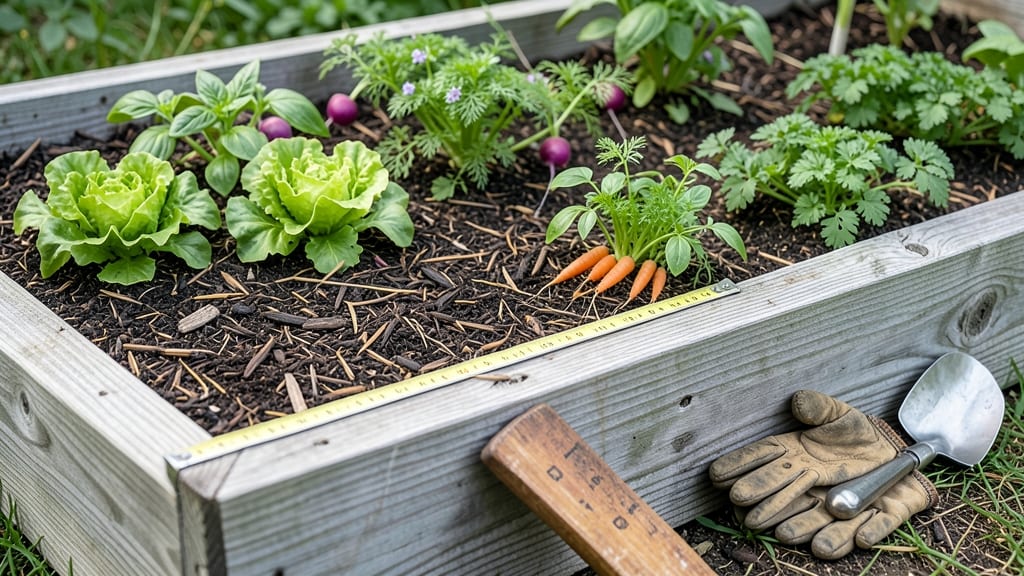
Choosing the right garden bed width can transform your planting game—4 feet is the magic number for weed-free, high-yield harvests that actually fit your hands.
Picture this: you’re knee-deep in a 10-foot-wide bed, stretching to reach the middle while weeds take over the edges. That’s not gardening—it’s a chore. The 4-foot rule flips the script by making every inch accessible, reducing soil compaction, and letting sunlight reach the center without a fight.
Whether you’re growing tomatoes or herbs, this width keeps plants happy, your back safe, and maintenance to a minimum. No more guessing—just science-backed spacing that works for raised beds, in-ground plots, and everything in between.
Below, I’ll break down why 4 feet beats the alternatives, how to design your beds for maximum efficiency, and the 3 mistakes that turn perfect layouts into disasters. Ready to grow smarter?
Why 4-Foot garden bed width reduces weeds and boosts productivity
If you've ever spent hours battling weeds or struggling to reach the center of your garden beds, you're not alone. The 4-foot garden bed width isn't just a random number—it's a gardening gold standard designed to make your life easier while helping your plants thrive.
This width strikes the perfect balance between accessibility, sunlight exposure, and weed suppression, making it one of the most effective layouts for both beginners and seasoned gardeners.
Think about it: when you stand in the middle of a narrow bed, you can easily reach every corner without stepping on the soil. This ergonomic advantage means less compaction and healthier roots.
Plus, the right width ensures every plant gets the sunlight it craves without being shaded by neighbors. Let’s break down why this magic number works so well.
Weed suppression is another major benefit of the 4-foot rule. When beds are too wide, weeds have more space to invade and thrive. But with a 4-foot width, you can mulch effectively and maintain better control over unwanted plants. Fewer weeds mean less competition for your crops, leading to higher yields and less maintenance.
Here’s the science: a 4-foot bed allows you to reach the center from all sides, minimizing soil disturbance. This means better soil structure and less erosion. It also aligns with the spacing needs of most vegetables and herbs, reducing overcrowding and disease spread.
Let’s compare how different bed widths stack up in real-world scenarios.
The 4-foot width also maximizes your garden’s efficiency. With this layout, you can fit more plants in a smaller footprint while still maintaining easy access.
For example, a 4-foot by 8-foot bed gives you 32 square feet of planting space—enough for a variety of vegetables like tomatoes, peppers, and leafy greens—without sacrificing accessibility.
Another key advantage is better air circulation. When plants are spaced correctly in a 4-foot bed, they get the airflow they need to stay healthy and avoid fungal diseases. This is especially important for leafy greens and herbs, which can suffer if they’re too crowded.
Proper spacing also makes it easier to spot pests early, giving you more time to intervene.
Let’s talk about soil health. A 4-foot bed allows you to amend the soil more effectively because you’re not constantly walking on it. Compacted soil reduces root growth and water absorption, but with the 4-foot rule, you can maintain loose, fertile soil that encourages strong root development.
This leads to healthier plants and better overall productivity.
If you’re using raised beds, the 4-foot width becomes even more beneficial. Raised beds dry out faster, and a narrower width ensures you can water and mulch evenly without missing spots.
Plus, the edges of raised beds naturally suppress weeds, making maintenance even easier. For in-ground beds, the same principles apply—just add a pathway between beds to keep soil compaction to a minimum.
For container gardening, you can adapt the 4-foot rule by creating smaller beds or using wide containers. The key is to ensure you can reach the center without disturbing the soil. Even in pots, maintaining a balanced layout helps maximize space and reduce weed growth.
Whether you’re growing herbs in pots or vegetables in raised beds, the 4-foot principle keeps your garden manageable and productive.
So, if you’re ready to transform your garden into a weed-free, high-yield powerhouse, start by measuring your beds. Aim for 4 feet wide and adjust the length based on your space. Your plants—and your back—will thank you!
How to design your garden beds for optimal 4-Foot width
Designing your garden beds with a 4-foot width isn’t just about fitting more plants—it’s about creating a low-maintenance, high-yield space where you can reach every corner without stepping on the soil. This width lets you work from all four sides, reducing compaction and giving plants equal sunlight exposure.
Whether you're planting vegetables, herbs, or flowers, this layout keeps weeds at bay and makes harvesting easier.
Before breaking ground, consider whether you’ll use raised beds, in-ground beds, or containers. Each has unique benefits: raised beds improve drainage and soil quality, while in-ground beds are more affordable but require better soil prep.
Start by sketching your garden layout on paper, marking where beds and paths will go. A 2-foot-wide path between beds gives you space to move comfortably with tools or harvest baskets.
-
Measure and Mark
Use a tape measure and stakes to outline your 4-foot-wide beds. For precision, stretch a string between stakes or use a garden hose as a temporary guide. -
Path Spacing
Leave 2-3 feet between beds for paths. This ensures you can access plants without trampling soil, which compacts roots and invites weeds. -
Plant Pairing
Group plants with similar sunlight and water needs (e.g., tomatoes, basil, and peppers) in the same bed. Tall plants like corn or sunflowers should go on the north side to avoid shading shorter crops. -
Raised vs. In-Ground
Raised beds (12-18 inches deep) are ideal for poor soil or root crops like carrots or potatoes. In-ground beds work well if your soil is already fertile and well-draining. -
Tools for Layout
Use a wheelbarrow for soil, a broadfork to loosen in-ground beds, and a level to ensure raised beds are even. A laser level helps with larger gardens.
When planting, leave 12-18 inches between rows to allow airflow and easy weeding. For example, lettuce and radishes (fast-growing) can share a bed, while squash and cucumbers (sprawling) need their own space. Mulch with straw or wood chips to suppress weeds and retain moisture, especially in hot, dry climates.
Don’t forget to plan for future growth. If you’re adding perennial herbs like rosemary or thyme, leave extra space—they’ll spread over time. For seasonal crops, rotate plant families yearly to prevent soil-borne diseases. A simple rotation chart keeps track of what goes where each year.
Finally, test your layout before planting. Walk through your garden with a notebook and pencil, jotting down any adjustments needed. For instance, if a bed feels too narrow for your long arms, widen it by a foot.
The goal is a design that feels intuitive and efficient—not just visually appealing.
With a well-planned 4-foot garden bed, you’ll spend less time weeding and more time enjoying the fruits (and veggies!) of your labor. Happy gardening! 🌱