
Tools
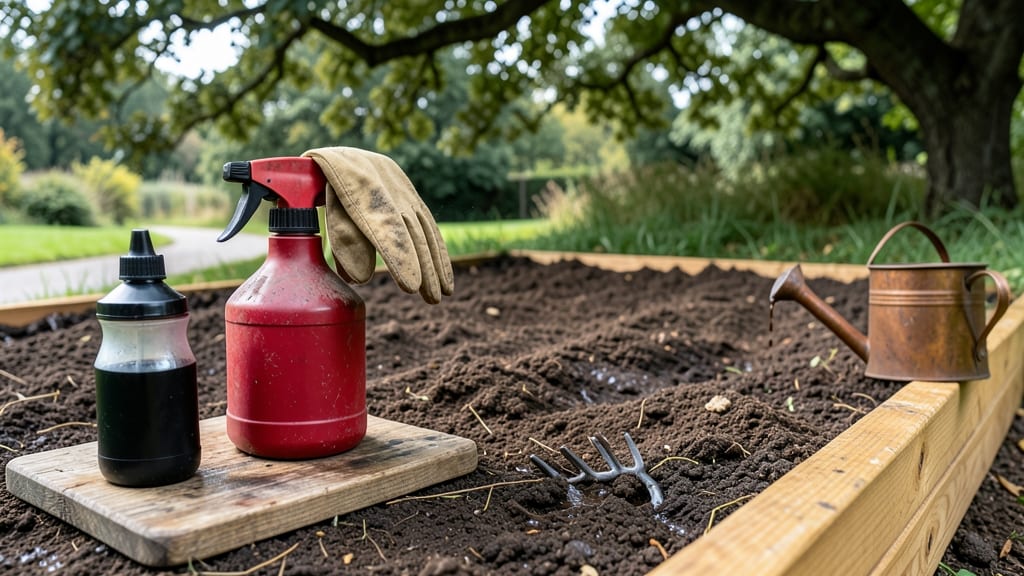
Using a garden bed sealant helps stabilize soil, suppress weeds, and maintain moisture levels, with ideal application times being early spring or late fall after clearing debris. Your choice between organic options like corn gluten or synthetic polymers depends on soil type and plant requirements.
Garden bed sealants work by creating a protective barrier that locks in moisture while blocking sunlight from reaching weed seeds. 🌱 Organic options like corn gluten also act as natural weed killers by disrupting seed germination, while synthetic polymers provide longer-lasting erosion control.
I always recommend testing a small area first—some plants, like shallow-rooted herbs, may need less coverage than hearty vegetables.
For best results, focus on soil health first: amend with compost before applying any sealant. This ensures your plants get the nutrients they need while still benefiting from the moisture retention.
The right sealant can extend your growing season by up to 4-6 weeks in dry climates, making it a worthwhile investment for any serious gardener.
💡 In This Article
- How Garden Bed Sealants Work to Preserve Soil Health
- Best Organic and Synthetic Garden Bed Sealant Options
How garden bed sealants work to preserve soil health
Garden bed sealants create a protective barrier that works through three key mechanisms: moisture retention, erosion control, and weed suppression. The moisture-retaining properties come from either organic materials like straw or synthetic polymers that physically block water evaporation.
For example, synthetic sealants form a thin, water-resistant film that reduces evaporation by up to 70%, while organic mulches create a cooler, more humid microclimate at the soil surface. This keeps roots consistently hydrated, especially during hot, dry periods when plants are most vulnerable to stress.
Erosion prevention happens through physical stabilization. Synthetic sealants use acrylic or rubber-based polymers that bind soil particles together, creating a more cohesive structure. Organic options like wood chips or compost work differently—they absorb water and swell slightly, reinforcing soil structure while also improving drainage.
The difference is noticeable in heavy rain: sealed beds maintain their shape while unprotected soil often washes away, exposing roots. For clay-heavy soils, synthetic sealants are particularly effective because they prevent the 0.5-1 inch of surface compaction that occurs naturally during watering.
Weed suppression occurs through light exclusion. Most sealants block 75-90% of sunlight from reaching weed seeds, preventing germination. Organic options like corn gluten take this further by releasing natural herbicides that kill existing weeds while they're still small.
The science here is fascinating: corn gluten contains amino acids that interfere with weed seed development, similar to how pre-emergent herbicides work but without synthetic chemicals. This dual action makes organic sealants ideal for vegetable gardens where chemical residues are a concern.
However, not all sealants interact equally with plant roots. Synthetic polymers can create a waterproof barrier if applied too thickly, potentially suffocating shallow-rooted plants like lettuce or radishes. Organic mulches, on the other hand, break down over time, enriching the soil with nutrients.
The key is balance: aim for a 1-2 inch layer of organic material or a thin, even coat of synthetic sealant. Too much of either can create anaerobic conditions that harm beneficial soil microbes.
Seasonal timing matters because soil biology changes dramatically. In spring, freshly applied sealants help preserve early-season moisture when young plants are establishing roots. In fall, they protect soil structure during winter rains, preventing compaction that would make spring planting difficult.
The 6-8 week window after application is critical—this is when most weed seeds lie dormant but haven't yet germinated, making it the perfect time to establish your sealant's protective effects.
For container gardens or raised beds, sealants work differently because the soil volume is smaller. Here, moisture retention is even more critical since water drains faster.
I've found that applying a light spray of synthetic sealant to the surface of container soil can extend watering intervals by nearly 50%, while still allowing enough airflow for root respiration.
The texture difference is noticeable—sealed container soil stays crumbly and workable, unlike unsealed soil that becomes hard and cracked when dry.