
Planting
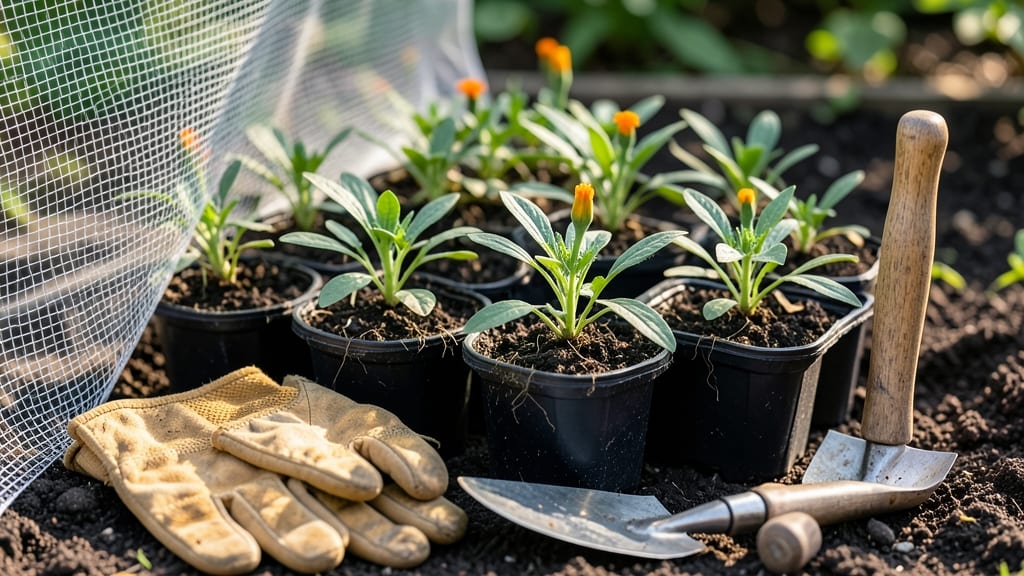
Selecting the right garden and plant mesh depends on your specific needs: hardware cloth stops burrowing pests, landscape fabric blocks weeds, or horticultural mesh provides lightweight insect protection. Always check mesh thickness, durability, and UV resistance for lasting effectiveness.
Garden and plant mesh isn't just one-size-fits-all—each type serves distinct purposes. Hardware cloth, made from galvanized steel, creates an impenetrable barrier against moles and gophers, while landscape fabric lets water through but smothers weed growth. Horticultural mesh, typically plastic or fiberglass, offers flexibility for protecting delicate plants from flying insects. 🌱 The key lies in matching mesh density (measured in openings per inch) to your biggest pest threat—finer weave for aphids, coarser for larger critters.
Proper installation makes all the difference. For burrowing pests, bury hardware cloth at least 12 inches deep around garden beds, while lightweight mesh should be secured with stakes or anchored weights.
Landscape fabric works best as a weed barrier under mulch, but never let it touch plant stems—this can suffocate roots. Always choose UV-stabilized materials if your mesh will face prolonged sun exposure, as degradation can leave gaps where pests slip through.
💡 In This Article
- How Different Garden Mesh Types Protect Plants
- Installing Garden Mesh for Maximum Effectiveness
How different garden mesh types protect plants
The protection garden mesh provides comes down to material science and engineering. Hardware cloth, made from galvanized steel wire woven into a grid, creates a rigid barrier with openings as small as 1/4-inch.
This makes it ideal for stopping burrowing pests like moles and voles, whose tunnels typically measure 1-2 inches wide. The metal's durability means it won't degrade under pressure from digging animals, though it requires proper grounding to be effective.
For above-ground threats, horticultural mesh uses plastic or fiberglass fibers woven into patterns with 1/8-inch to 1/2-inch openings. The finer weaves (like 1/8-inch) block flying insects such as aphids and whiteflies, while coarser versions (around 1/4-inch) keep out larger pests like beetles.
The material's lightweight nature makes it perfect for draping over delicate plants or creating protective tunnels, but it lacks the strength to resist physical damage from wind or hail.
When weed suppression is the goal, landscape fabric enters the picture. Made from polypropylene or woven plastic, it features microscopic pores that allow water and air to reach plant roots while blocking sunlight from reaching weed seeds.
The fabric's thickness—typically 3-6 millimeters—determines how effectively it smothers weeds, with thicker options providing longer-lasting control. Unlike metal or plastic mesh, landscape fabric doesn't need to be secured with stakes but should be laid flat to prevent gaps where weeds can emerge.
Pore size is where the real magic happens. A mesh with 1/4-inch openings will stop most insects but allow beneficial pollinators like bees to pass through, while 1/8-inch mesh creates a nearly impenetrable barrier for flying pests. The trade-off? Smaller openings reduce airflow, which can stress some plants.
Always match your mesh's pore size to the specific threats in your garden—finer for aphids, coarser for larger critters, and remember that UV-resistant coatings add years of protection against sun damage.
Material choice matters too. Plastic meshes are lightweight and affordable but may degrade in 1-3 years under UV exposure, while galvanized steel hardware cloth lasts 10+ years but requires more effort to install. Fiberglass meshes offer a middle ground with better UV resistance than plastic but at a higher cost.
For permanent installations, metal is the gold standard, while plastic and fiberglass excel for seasonal or temporary setups.
Think of mesh as a customizable shield: adjust the material, thickness, and pore size to match your garden's specific battles. Whether you're defending against subterranean moles or airborne pests, the right mesh transforms your plants' vulnerability into resilience. 🌿