
Planting
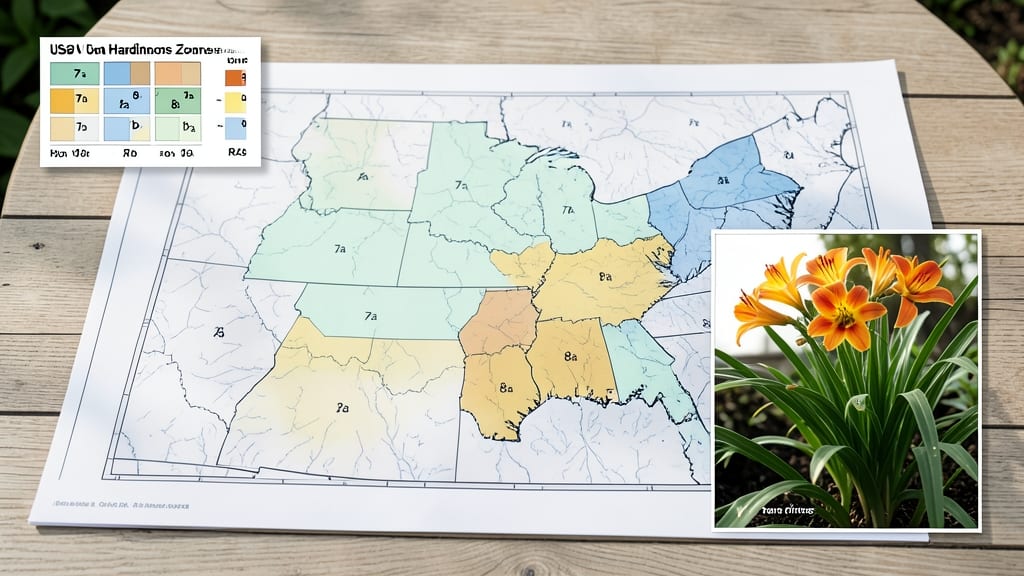
What gardening zone is North Carolina in? It falls within USDA Hardiness Zones 5 through 8, with most areas landing in Zones 6b–8a depending on elevation and coastal location. For exact planting guidance, consult the USDA Plant Hardiness Zone Map.
North Carolina's gardening zones vary dramatically from its mountainous western regions—where Zone 5's cooler temperatures thrive—to the warmer Zone 8 coastal plains. 🌿 The state's diverse geography creates microclimates that can shift zones by even a few miles, so always verify your specific location.
For example, Asheville sits in Zone 6b, while Wilmington enjoys Zone 8a conditions.
This variation explains why some plants thrive in the Piedmont's Zone 7 but struggle in the mountains. Coastal areas experience milder winters, while inland valleys can see sudden freezes. Understanding these patterns helps gardeners select plants that match their local climate conditions year-round.
💡 In This Article
- How North Carolina’s Climate Affects Plant Hardiness Zones
- Best Plants for North Carolina’s USDA Zones 6–8
How north Carolina’s climate affects plant hardiness zones
North Carolina’s gardening zones are shaped by its dramatic elevation changes and coastal influences. The western mountains—like the Blue Ridge—plunge into Zone 5, where winter lows can drop below 10°F, while the Piedmont region sits comfortably in Zone 7 with milder winters.
Coastal areas near Wilmington or Morehead City often reach Zone 8, where winters rarely dip below 15°F. This gradient occurs because elevation reduces temperatures by about 3.5°F per 1,000 feet, creating distinct microclimates even within short distances.
The state’s humidity also plays a critical role. Coastal regions experience higher moisture levels, which can extend growing seasons but also increase fungal risks for plants. In contrast, the Piedmont’s drier climate suits drought-tolerant species like redbud trees or black-eyed Susans.
Urban areas like Raleigh create heat islands—where pavement and buildings trap warmth—shifting zones upward by half a level. For example, a backyard in downtown Charlotte might experience Zone 7b conditions despite being geographically in Zone 7a.
Temperature extremes further complicate planting. Mountain zones face sudden freezes, while coastal areas may experience delayed first frosts. The USDA map averages minimum temperatures over 23 years, but local variations matter more for gardeners.
A single late-spring frost can devastate tender plants in Zone 7, while coastal Zone 8 areas might support year-round citrus if protected from wind. This is why gardeners in transitional zones (like 6b/7a) often use row covers or choose cold-hardy varieties.
Humidity and soil types add another layer. The sandy coastal soils drain quickly, favoring plants like muhly grass or sea oats, while the clay-rich Piedmont supports deeper-rooted species. Even within a zone, elevation changes can shift microclimates.
For instance, a 1,500-foot elevation gain in the Appalachians might drop you from Zone 7 to Zone 6. Always check the USDA map for your exact ZIP code—it’s the most reliable guide for your specific conditions.
Seasonal shifts also matter. Coastal Zone 8 areas can plant tropicals like bougainvillea year-round, while mountain Zone 5 gardens must wait until after May 15 to avoid late frosts. The state’s 100-day growing season in the mountains contrasts with 300+ days near the coast.
This explains why some plants thrive in one region but fail in another—even within the same state.
For precise planning, use the USDA Interactive Plant Hardiness Zone Map and cross-reference with local extension service data. Many NC counties now offer hyperlocal zone adjustments based on recent climate trends. For example, Raleigh’s zone has shifted from 7b to 8a over the past decade due to warming.
Understanding these factors helps you select plants that match your exact conditions—not just the general zone.