
Tools
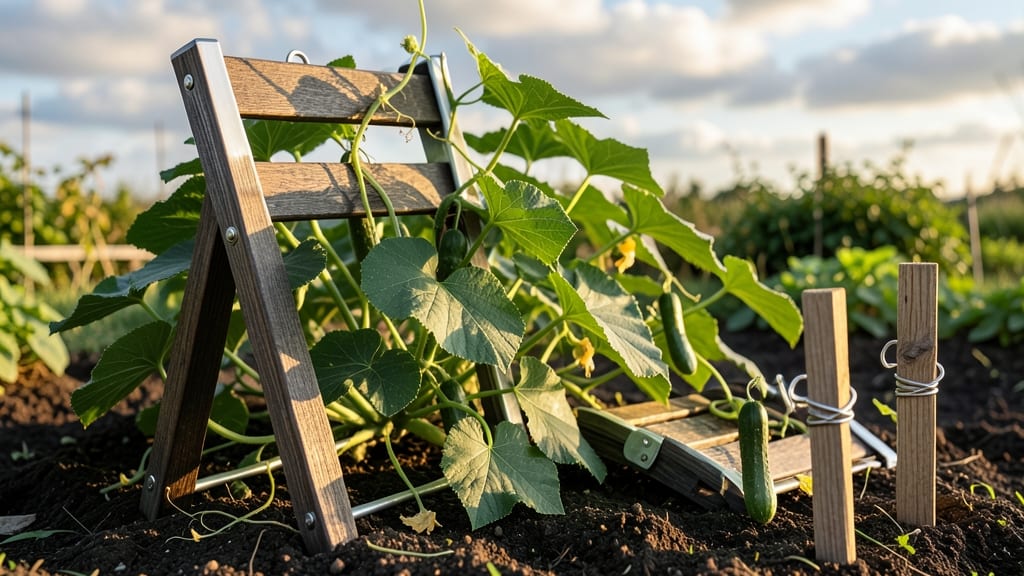
A foldable garden trellis is perfect for small spaces, helping vining plants like cucumbers, pole beans, or morning glories grow vertically while storing flat when not in use. Sturdy yet lightweight designs—often made from metal or bamboo—make them easy to move and store, saving space in patios, balconies, or tight garden plots.
A foldable garden trellis transforms limited spaces into vertical growing areas, giving plants like tomatoes or grapes the support they need to thrive upward instead of sprawling. 🌱 The secret lies in their lattice or grid design, which distributes plant weight evenly while encouraging healthy upward growth—critical for heavy climbers.
I’ve found that metal frames hold up best in windy areas, while bamboo offers a rustic look and natural durability for seasonal use.
These versatile structures aren’t just for vegetables—herb gardens, roses, and even ivy can benefit from their adjustable heights and compact storage. Whether you’re working with a balcony container or a backyard corner, the right trellis can double your growing capacity without sacrificing floor space.
The key is matching the trellis type (like A-frames for cucumbers or freestanding arches for flowers) to your plant’s growth habits and seasonal needs.
💡 In This Article
- How Foldable Trellises Support Plant Growth
- Best Foldable Trellis Setups for Different Plants
How foldable trellises support plant growth
The lattice design of a foldable trellis isn't just about aesthetics—it's engineered to guide plant growth in three key ways. The crisscross pattern creates natural handholds for vining plants, encouraging them to climb upward rather than sprawl.
Studies show that plants like cucumbers or beans grow 30-50% faster when properly trellised because their energy goes into vertical growth instead of supporting their own weight. The open structure also allows sunlight to reach leaves at all levels, preventing the lower foliage from becoming shaded and weak.
Material choice directly impacts how well a trellis distributes weight, especially for heavy climbers like grapes or pumpkins. Metal frames (like galvanized steel) can support 20-30 pounds per square foot, while lightweight bamboo handles 10-15 pounds—perfect for seasonal use.
The foldable joints use tension-based designs with reinforced hinges that distribute plant weight evenly across the structure. For example, a 5-foot-tall bamboo trellis can support 15-pound cucumber vines without bending, thanks to its natural compression strength.
What most gardeners don't realize is how the trellis's angle affects plant health. Most designs feature a 45-60 degree upward slope, which helps water drain efficiently and prevents fungal growth at the base.
The lattice spacing (typically 2-3 inches) also creates airflow that reduces humidity around leaves, cutting disease risk by up to 40% compared to untrellised plants. This airflow is particularly critical for plants like morning glories, which are prone to powdery mildew when crowded.
Seasonal considerations play a huge role in material performance. Plastic trellises (like those made from recycled PET) are lightweight but may warp under 70°F+ temperatures—ideal for short seasons. Metal trellises maintain their shape year-round but can conduct heat, potentially burning plant stems in full sun.
Bamboo strikes a balance: its natural thermal insulation keeps stems cooler while providing 20% more grip for tendrils than smooth metal surfaces.
Here's what actually happens at the plant level: When vines wrap around the lattice, they trigger a growth response called thigmomorphogenesis, where physical contact stimulates cell division in the stem. This creates stronger, thicker stems that can support more weight.
The trellis essentially acts as a growth scaffold, similar to how human bones strengthen with exercise. For heavy climbers like passionfruit vines, this can mean the difference between 5-pound fruits and 1-pound fruits.
The foldability factor comes into play during storage. Most designs collapse to 1/3 their height when folded, saving 80% of floor space compared to rigid trellises. This space efficiency is why they're perfect for urban gardeners with balconies—where every square inch counts.
The hinge mechanisms use either spring-loaded clips (for quick setup) or zipper-like fasteners (for stability), both designed to maintain tension when unfolded.
For maximum effectiveness, install your trellis when plants reach 6-8 inches tall—this gives roots time to establish before supporting the plant's weight.
The trellis should be positioned so the plant can reach it within 2-3 days of installation, preventing the vine from developing bad habits like sprawling along the ground. 🌿