
Tools
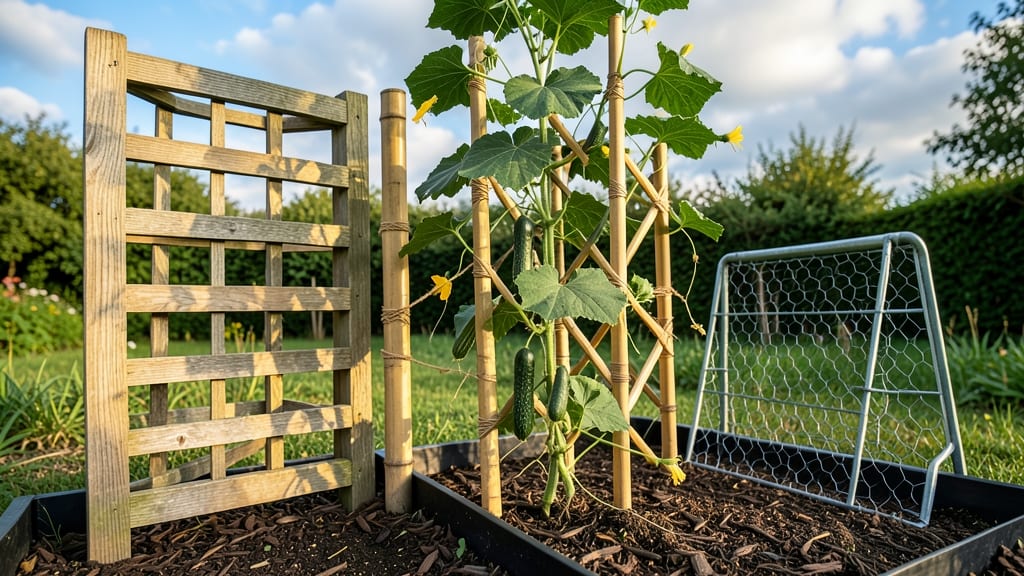
Transforming your garden bed with trellis ideas for climbing plants like the Clematis Vine 🌿 can double your growing space while adding vertical beauty.
Picture this: your small backyard suddenly bursting with lush vines, fragrant blooms, and bountiful harvests—all without sacrificing a single square foot of ground space. The secret? Smart trellis designs that turn walls, fences, or even old ladders into functional art.
Whether you're working with wooden obelisks, rustic bamboo spirals, or sleek metal grids, the right trellis can support everything from delicate roses to vigorous cucumbers. I’ll show you how to choose materials, pair plants with their perfect supports, and build structures that last through seasons.
From DIY-friendly projects to store-bought solutions, you’ll discover 15 space-saving designs that fit any garden—no matter how tight the space. Let’s get climbing!
15 Space-saving trellis designs for small garden beds
Vertical gardening isn't just for large yards—even small garden beds can benefit from strategic trellis designs. By training climbing plants upward, you free up precious ground space while creating stunning focal points.
The right trellis can double your yield and extend your growing season for delicate vines like cucumbers or peas that need support.
When choosing a trellis, consider your plant's growth habit and the available space. Heavy vines like clematis or passionflowers need sturdy structures, while lightweight annuals like morning glories can thrive on simple bamboo stakes.
Below, we break down 15 designs with material options and plant pairings to maximize your garden’s vertical potential.
🌱
| Trellis Type | Best For | Materials | Height Range | DIY Cost | ||||||||||||||||
|---|---|---|---|---|---|---|---|---|---|---|---|---|---|---|---|---|---|---|---|---|
| A-Frame Trellis | Cucumbers, Pole Beans | Wood, PVC, Metal | 4-6 ft | $10-$25 | ||||||||||||||||
| Obelisk Trellis | Peas, Morning Glories | Bamboo, Metal Wire | 5-8 ft | $5-$20 | ||||||||||||||||
| Teepee Trellis | Pole Beans, Nasturtiums | Wood Stakes, Twine | 3-5 ft | $3-$15 | ||||||||||||||||
| Spiral Trellis | Clematis, Roses | Metal Wire, Wood | 6-10 ft | $15-$40 | ||||||||||||||||
| Grid Trellis | Squash, Malabar Spinach | Plastic Mesh, Wood | 4-6 ft | $8-$30 | ||||||||||||||||
| Arbor Trellis | Grapevines, Wisteria | Wood, Metal | 8-12 ft | $50-$150 | ||||||||||||||||
| Hobbit Hole Trellis | Cucumbers, Zucchini | Wood, Chicken Wire | 5-7 ft | $12-$35 | ||||||||||||||||
| Cage Trellis | Tomatoes, Peppers | Metal Wire, Wood | 4-6 ft | $10-$25 | ||||||||||||||||
| Tower Trellis | Sweet Peas, Morning Glories | Bamboo, PVC | 6-10 ft | $15-$40 | ||||||||||||||||
| Arch Trellis | Roses, Jasmine | Wood, Metal | 5-8 ft | $20-$60 | ||||||||||||||||
| Ladder Trellis | Green Beans, Lettuce | Wood, Wire | 3-5 ft | $5-$20 | ||||||||||||||||
| Pallet Trellis | Cucumbers, Gourds | Wood Pallets | 4-6 ft | $0-$15 (upcycled) | ||||||||||||||||
| Tunnel Trellis | Pole Beans, Peas | Bamboo, Wire | 3-4 ft |
How to choose the right trellis for your climbing plantsSelecting the perfect trellis for your climbing plants isn’t just about aesthetics—it’s about vine strength, sunlight exposure, and long-term plant health. Aggressive climbers like clematis or wisteria need sturdy, tall supports (think 8+ feet), while delicate varieties like morning glories thrive on lightweight, flexible structures. Matching the trellis to your plant’s growth habits prevents broken stems and maximizes yields or blooms. Sunlight plays a critical role too. Plants like cucumbers and squash demand full sun (6+ hours daily), so choose open-grid trellises that allow light to filter through. In contrast, shade-tolerant climbers such as ivy or passionflower can handle partial shade—opt for solid or woven trellises that provide gentle support without blocking light entirely. 🌱 Trellis Matchmaker Guide
💡 Pro Tip: For heavy climbers, bury trellis posts 12–18" deep or anchor with stakes to prevent toppling. Avoid these common mistakes that shorten trellis lifespan: Overcrowding plants on a single support weakens stems and invites pests. Instead, space aggressive vines like cucumbers 12–18 inches apart and use individual trellises for heavy bloomers like roses. Weak supports—such as flimsy plastic grids—can’t handle mature weight, leading to collapsed plants mid-season. Extend your climbing plants’ lifespan on trellises with seasonal care. Prune aggressive growers (e.g., hops) in early spring to redirect energy upward. For delicate climbers like passionflower, gently tie stems to the trellis with soft twine to avoid abrasions. Mulch around the base to retain moisture and reduce stress, especially during hot, dry spells. Height matters too—tall trellises (6+ feet) work best for vertical gardens in small spaces, while low supports (3–4 feet) suit container gardening. For example, a clematis vine (which can reach 20 feet) needs a tall, sturdy trellis paired with pruning to manage growth. In contrast, pole beans thrive on 4-foot bamboo stakes with minimal maintenance. Don’t forget to rotate trellises annually if growing heavy crops like squash or melons. This prevents soil depletion and reduces disease risk. For perennials (e.g., roses), invest in durable metal or wood trellises that last 5+ years. With the right match, your climbing plants will flourish—saving space and boosting beauty for seasons to come. 🌿 |