
Tools
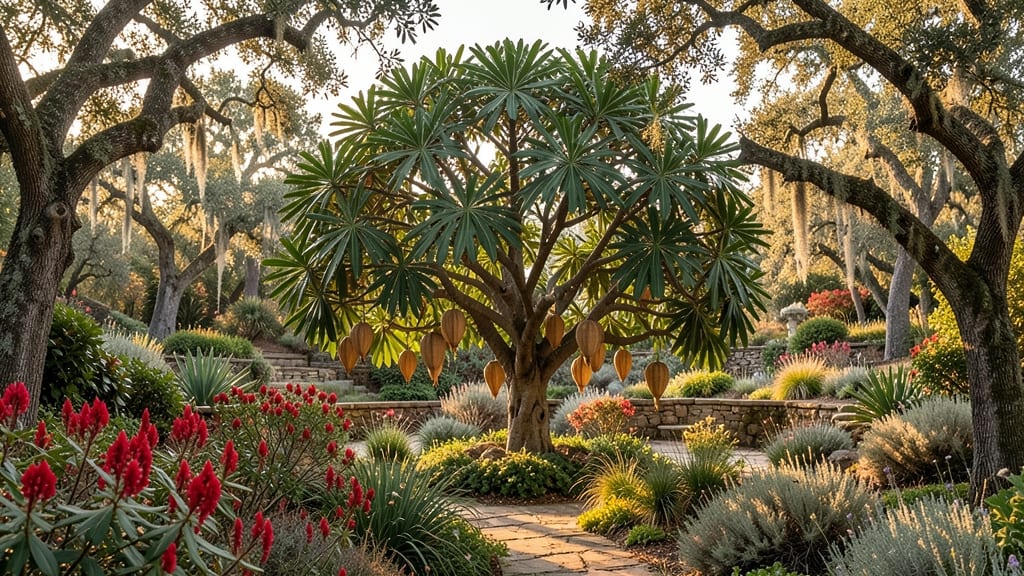
Filoli Garden in Redwood City offers a breathtaking 550-acre estate where historic architecture meets meticulously curated gardens and native California landscapes. Guests wander through formal gardens, a preserved 1915 mansion, and ever-changing floral displays, making it a dream destination for nature enthusiasts and history buffs.
This iconic estate in Redwood City isn't just a garden—it's a living history lesson. 🌿 The property's original 1910s design reflects Gilded Age landscaping principles, while modern conservation efforts highlight native California plants that thrive year-round.
What makes it special is how the seasonal displays transform the estate: spring blooms burst with color, summer evenings feature twilight concerts, and winter brings serene, misty landscapes.
I always recommend visiting during the peony season (April-May) for the most vibrant displays, but even off-season, the historic mansion's interior tours offer fascinating insights into California's social history.
The estate's layout also includes lesser-known trails like the Woodland Walk, perfect for peaceful strolls away from crowds. For photography lovers, the Japanese Garden's koi ponds and the formal Rose Garden provide stunning backdrops.
Pro tip: Check their calendar for special events—they often host themed garden parties and educational workshops that bring the estate's history to life in unexpected ways.
💡 In This Article
- Filoli’s Historic Gardens and Landscape Design Legacy
- Best Times to Visit Filoli and Hidden Garden Secrets
Filoli’s historic gardens and landscape design legacy
Filoli’s garden design is a masterclass in blending Gilded Age opulence with modern conservation principles. The estate’s original 1915 layout was inspired by European chateau gardens but adapted for California’s climate using native plants like coast live oak and California lilac.
These species require minimal irrigation while supporting local ecosystems—a stark contrast to traditional European gardens that rely on exotic, water-intensive flora. The designers strategically placed the formal gardens along the mansion’s south-facing façade to maximize sunlight exposure, creating ideal conditions for seasonal blooms while preserving the historic structure’s integrity.
The estate’s 550 acres include 14 gardens, each serving distinct purposes: the Italian Garden features symmetrical paths and topiary, while the Woodland Walk mimics natural trails with dappled sunlight filtering through coast redwood canopies.
What’s fascinating is how the garden’s layout incorporates microclimates—warmer, drier areas near the mansion for Mediterranean plants versus cooler, shaded zones for ferns and mosses. This zoning wasn’t just aesthetic; it was a practical solution to California’s diverse microclimates, allowing plants to thrive without artificial intervention.
Seasonal transformations are the estate’s crowning feature. During spring, 2,000 peonies create a sea of pink and white, while summer brings 100 varieties of roses in full bloom.
The Japanese Garden’s koi ponds and maple trees turn fiery red in autumn, and winter’s holly and magnolia provide structure against misty hills.
This cyclical beauty isn’t accidental—it’s the result of decades of horticultural planning that aligns with California’s native flowering cycles, ensuring year-round visual interest without relying on non-native species.
What most visitors overlook is how the garden’s design reflects its original owners’ values. The 1915 mansion was built by the De Young family, who believed in preserving California’s natural beauty while embracing European landscaping techniques.
Today, Filoli continues this legacy through its conservation programs, which protect endangered native plants like the San Francisco fuchsia. The estate’s 1920s-era greenhouse still grows rare specimens, demonstrating how historic gardens can evolve with modern ecological needs.
For those who love garden history, Filoli’s 1920s-era garden journal offers fascinating insights into how the estate was maintained. Original entries describe pruning techniques, irrigation schedules, and even which flowers were used for Victorian-era bouquets.
This hands-on approach to garden management—combining historic methods with contemporary sustainability—is what makes Filoli’s design so uniquely inspiring. 🌸
The estate’s formal gardens also serve as a living classroom. Educational signage explains how pollinator pathways connect different garden sections, while interpretive trails highlight the role of native bees and butterflies in maintaining the ecosystem.
This dual focus on beauty and ecology is what sets Filoli apart from traditional botanical gardens—it’s not just about pretty flowers, but about understanding how each plant plays a role in the larger landscape.
If you’re planning a visit, don’t miss the Japanese Garden’s tea house, where you can experience how traditional matcha ceremonies were adapted for California’s climate. The estate’s 1920s-era pergola is another hidden gem—its grapevines still produce fruit, just as they did when the garden was first established.
These details reveal how Filoli’s design isn’t just about aesthetics, but about preserving a way of life that values both nature and craftsmanship. 🌿