
Landscaping
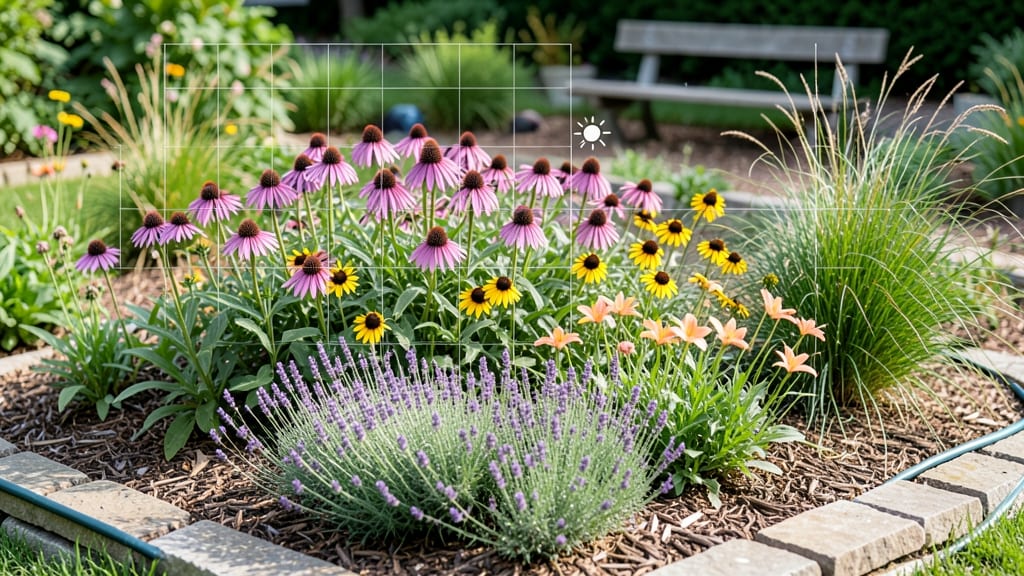
Creating effective flower garden design plans means blending seasonal blooms, efficient space usage, and striking visuals through layered plant heights, textures, and colors. Focal points like trellises or seating areas anchor the design, while grouping plants by sunlight requirements ensures healthy growth year-round.
Great flower garden design plans begin with understanding your space's unique conditions.
The key is to create depth by pairing tall plants like delphiniums with mid-height shrubs such as lavender, and filling gaps with low-growing perennials like creeping thyme. 🌸 This vertical layering not only maximizes visual impact but also prevents overcrowding.
I always recommend sketching your yard first—this helps visualize how sunlight patterns will affect plant placement throughout the day.
Seasonal variety keeps your garden dynamic. For instance, planting spring bulbs like tulips alongside summer annuals such as zinnias ensures continuous color. Don't forget to include foliage plants like hostas or heucheras—their textures provide structure when flowers fade.
This approach transforms a static space into a living canvas that evolves with each season.
💡 In This Article
- Key Principles for Designing Flower Gardens with Seasonal Interest
- 12 Space-Saving Flower Garden Layout Ideas for Small Yards
Key principles for designing flower gardens with seasonal interest
Seasonal interest in flower gardens relies on a strategic approach called seasonal succession, where you layer plants that bloom at different times throughout the year. This technique creates a continuous visual display by ensuring something is always in flower.
For example, early spring bulbs like crocuses and daffodils can be paired with summer annuals such as petunias, which then transition to fall-blooming chrysanthemums. The key is understanding each plant's bloom cycle—perennials like coneflowers provide mid-season color, while late-season asters extend the show into autumn.
Plant height progression is another critical principle that creates visual depth and flow. Start with tall plants like delphiniums (4-6 feet) or hollyhocks (5-7 feet) at the back of your garden bed, followed by mid-height shrubs such as lavender (2-3 feet) or butterfly bush (3-5 feet).
Fill the front with low-growing perennials like creeping thyme (3-6 inches) or ajuga (6-9 inches).
This vertical layering not only maximizes visual impact but also prevents overcrowding by allowing sunlight to reach all plants. 🌿 The ideal spacing between plants should be about 1.5 to 2 times their mature width to ensure they have room to grow without competing for resources.
Color theory plays a vital role in creating harmony and visual appeal. The 60-30-10 rule is a great starting point—use one dominant color (60%), a secondary color (30%), and an accent color (10%) to create balance.
For instance, a garden dominated by soft pinks (60%) with lavender accents (30%) and pops of red (10%) can feel cohesive yet dynamic. Monochromatic schemes using different shades of the same color also create a sophisticated look.
Additionally, consider the psychological effects of colors: blues and purples can feel calming, while reds and oranges evoke energy. Placing warm colors (reds, yellows) in sunny spots and cool colors (blues, purples) in shaded areas can enhance the garden's visual impact.
Sunlight exposure is the foundation of any successful flower garden design. Most flowering plants can be categorized into three groups: full sun (6+ hours of direct sunlight), partial shade (3-6 hours), and full shade (less than 3 hours).
For example, sun-loving plants like black-eyed Susans or daylilies thrive in full sun, while shade-tolerant plants like heucheras or hostas prefer dappled light. Always observe your garden's sunlight patterns throughout the day—morning sun behaves differently from afternoon sun, and this can affect plant health.
A simple trick is to sketch your space and note where sunlight hits at different times, then group plants accordingly. 🌞 This careful placement ensures each plant receives the right conditions to flourish.
Foliage plants are often overlooked but are essential for adding texture and structure to your garden. Plants like ornamental grasses (3-5 feet), heucheras (1-2 feet), or ferns (2-3 feet) provide year-round interest even when flowers aren't in bloom.
Their varying textures—smooth, fuzzy, feathery, or leathery—add depth to the garden. For example, pairing the silky plumes of miscanthus grass with the bold leaves of heuchera 'Palace Purple' creates a striking contrast.
Incorporating foliage plants in odd-numbered groupings (3, 5, or 7) also adds a natural, balanced look to your design.
Finally, don't underestimate the power of focal points to draw the eye and create visual interest. A trellis covered in climbing roses, a stone bench surrounded by perennials, or a small pond with water lilies can anchor your garden and provide a sense of scale.
Focal points should be placed where they're easily visible from key areas of your home or patio.
For small spaces, consider using mirrors or decorative pots to create the illusion of depth and expand the perceived size of your garden. 💫 These elements tie everything together and make your flower garden design feel intentional and complete.