
Tools
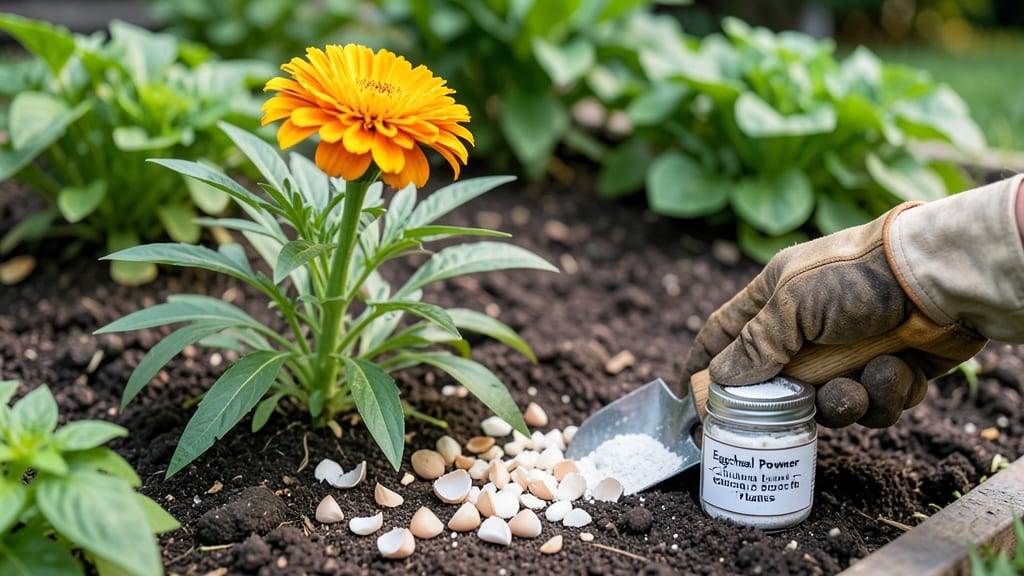
Using eggshells in garden soil provides a natural calcium boost that strengthens plant cell walls, deters pests like slugs, and helps prevent fungal diseases such as blight. For best results, crush them into a fine powder before mixing into compost or topsoil.
Eggshells are a gardener's secret weapon because they slowly release calcium carbonate into the soil, which plants crave for sturdy growth. 🌱 The gritty texture also acts as a natural barrier against soft-bodied pests while improving drainage in heavy soils.
I've seen tomatoes and peppers thrive when I sprinkle crushed shells around their bases—just make sure to sterilize them first by baking at 200°F for 10 minutes to kill any bacteria.
What makes this method so effective is how versatile it is. You can blend them into compost piles months in advance or scatter them fresh around established plants. For acidic-loving crops like blueberries, eggshells help raise soil pH slightly, creating a perfect balance.
The key is consistency—just a handful per plant every few weeks keeps your garden fortified naturally.
💡 In This Article
- How Eggshells Improve Soil Chemistry and Plant Health
- Practical Ways to Use Eggshells in Your Garden
How eggshells improve soil chemistry and plant health
Eggshells primarily deliver calcium carbonate to the soil, a mineral that plants absorb through their roots to build strong cell walls. When crushed, the shells break down into microscopic particles that dissolve slowly over 3-6 months, releasing calcium and magnesium.
This process mimics natural limestone weathering but on a much faster timescale. The calcium helps prevent blossom-end rot in tomatoes—a common issue caused by calcium deficiency—by ensuring cell membranes stay intact and flexible. 🌱
Beyond calcium, eggshells influence soil pH by acting as a mild alkaline amendment. Most garden soils sit between pH 6.0-7.0, but adding crushed shells can gently raise this range to 7.0-7.5, benefiting plants like broccoli and cabbage that prefer slightly alkaline conditions.
The porous nature of eggshells also improves soil aeration, allowing roots to breathe better in dense or clay-heavy soils. This dual action—nutrient enrichment and structural improvement—makes them a dual-purpose soil booster.
What's often overlooked is how eggshells deter pests through their sharp, gritty texture. When scattered around plant bases, the jagged edges create an uncomfortable barrier for slugs and snails, which prefer smooth surfaces.
The calcium also makes plant tissues less palatable to these pests, reducing damage without chemicals. 🐌 For fungal diseases like blight, the alkaline environment created by eggshells inhibits spore germination, giving plants a natural defense against common garden pathogens.
The breakdown process depends on soil conditions: warmer, moist soils accelerate decomposition, while cold or dry conditions slow it down. In compost piles, eggshells can take 6-12 months to fully integrate, whereas direct soil application shows results within 4-8 weeks for calcium-sensitive crops.
The key is balance—overuse can make soil too alkaline, so aim for 1 cup of crushed shells per 10 square feet of garden bed annually.
For visual learners, imagine eggshells as tiny time-release capsules. When buried just 1 inch below the surface, they release nutrients gradually, unlike synthetic fertilizers that provide a quick but short-lived boost. This slow-release mechanism mirrors how nature replenishes nutrients, making it an eco-friendly alternative to chemical amendments.
The result? Healthier plants with stronger stems, thicker leaves, and better resistance to environmental stressors. 🌿
One surprising benefit is the improvement in soil structure. The calcium carbonate helps bind soil particles together, creating larger aggregates that hold moisture better while still allowing excess water to drain. This is particularly valuable in sandy soils that dry out quickly or clay soils that become waterlogged.
The physical transformation happens at a microscopic level, but the impact on plant growth is noticeable within a growing season.
To maximize these benefits, pair eggshells with other organic amendments like coffee grounds (for nitrogen) or wood ash (for potassium). The combination creates a balanced nutrient profile that supports all stages of plant development, from seed germination to fruit production.
Think of it as a natural soil "vitamin" that works in harmony with existing microbial life. 🌍