
Planting
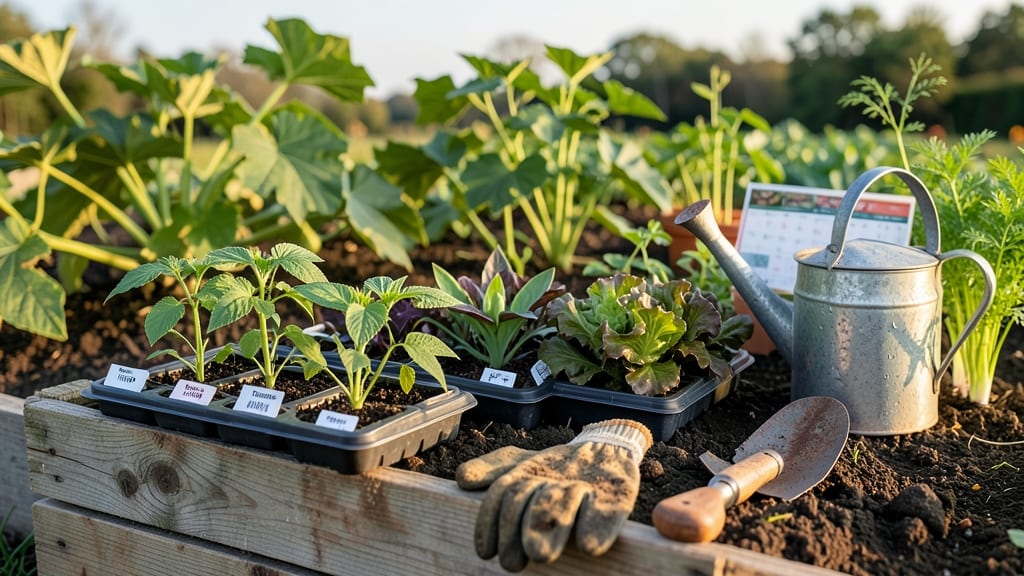
Planting your garden in Tennessee at the right time is the key to a fast, bountiful harvest—or the fast track to frustrated gardening.
Tennessee’s diverse climate—from the humid South to the cooler Appalachian foothills—means planting your 🌱 General Garden Vegetables at the wrong time can spell disaster for your crops.
Get the timing right, and you’ll enjoy a bountiful harvest; get it wrong, and you’ll fight pests, stunted growth, or even total crop failure.
With USDA Zones 6a-7b and frost dates shifting from the Smokies to Nashville, knowing when to start seeds indoors versus transplanting outdoors makes all the difference. A late frost can wipe out seedlings overnight, while planting too early risks weak, leggy plants.
Here’s your zone-by-zone planting schedule—plus pro tips to stretch your growing season—so you can skip the guesswork and get straight to the fastest, most reliable harvests Tennessee has to offer.
Tennessee planting zones: when to start seeds indoors vs. direct sowing outdoors
Tennessee spans USDA Hardiness Zones 5b through 8a, creating a patchwork of microclimates where last frost dates can vary by weeks. In Memphis (Zone 7b-8a), gardeners often see their last frost around March 15, while Knoxville (Zone 6b-7a) typically waits until April 1.
These differences mean your seed-starting timeline must adapt—whether you're growing tomatoes in Nashville or peppers in Chattanooga.
Understanding these zones helps you decide whether to start seeds indoors (for warm-season crops) or direct sow outdoors (for cool-season hardies). For example, lettuce thrives when planted outdoors 4-6 weeks before your last frost, while basil needs 6-8 weeks indoors before transplanting after the danger of frost has passed.
Let’s break down the optimal planting windows for each Tennessee region.
⚠️ NON-NEGOTIABLE: Always check your local last frost date—even within a single county, elevations can shift timelines by 10-14 days. Use resources like the Old Farmer’s Almanac or your local Cooperative Extension Service for precise data.
| Region | USDA Zone | Avg. Last Frost | Start Indoors (Warm Crops) | Transplant Outdoors | Direct Sow Outdoors |
|---|---|---|---|---|---|
| Memphis | 7b-8a | March 15 | Feb 15 - Mar 1 | April 15 | Feb 20 - Mar 15 (cool crops) |
| Nashville | 6b-7a | March 22 | Feb 20 - Mar 5 | April 20 | Mar 1 - Mar 20 (cool crops) |
| Knoxville | 6b-7a | April 1 | Feb 25 - Mar 10 | April 25 | Mar 10 - Mar 25 (cool crops) |
| Chattanooga | 7a-7b | March 20 | Feb 20 - Mar 1 | April 15 | Feb 25 - Mar 15 (cool crops) |
| Bristol | 6a-6b | April 10 | Mar 1 - Mar 15 | May 1 | Mar 15 - Apr 1 (cool crops) |
In Zone 8a (Memphis), you can direct sow warm-season crops like okra or sweet potatoes as early as April 1, while Zone 6a (Bristol) gardeners should wait until May 1 to avoid late frost damage.
For cool-season crops like spinach or kale, direct sow outdoors 4-6 weeks before your last frost—so Memphis gardeners might start in February, while Knoxville waits until March.
If you’re growing heat-loving plants like peppers or eggplants, start seeds indoors 8-10 weeks before your last frost.
For example, Nashville gardeners should begin indoors around February 20 to transplant by April 20. Herbs like basil also benefit from early indoor starts—plant them 6-8 weeks before your last frost to ensure they’re established before summer heat sets in.
For fall planting, aim to direct sow cool-season crops 8-10 weeks before your first frost. In Memphis (first frost: Nov 15), that means late July to early August for broccoli or carrots.
In Knoxville (first frost: Nov 1), you’ve got a slightly longer window—early August is ideal. Succession planting every 2-3 weeks ensures a continuous harvest before winter sets in.
One pro tip: Use row covers or cold frames to extend your planting window by 2-4 weeks in both spring and fall. This is especially useful in higher-elevation areas like the
Best vegetables to plant by month in Tennessee (with frost-date adjustments)
Tennessee’s diverse microclimates mean your Nashville garden might be ready for planting weeks before the Appalachian foothills. The key is adjusting for your last frost date, which typically ranges from March 15 in West Tennessee to April 15 in the Smokies.
Cool-season crops like spinach and broccoli thrive in early spring, while tomatoes and peppers need warm soil to germinate.
For warm-season vegetables, wait until soil temperatures hit 60°F+—usually late April to early May in most regions. In cooler areas like Chattanooga, delay planting until May 15 to avoid late frost damage.
Meanwhile, fall crops like kale and radishes should be sown by August 1 to mature before the first frost in November.
- February-March: Start cool-season seeds indoors (e.g., broccoli, lettuce). Direct sow peas, spinach, radishes in West Tennessee after last frost.
- April: Transplant tomato, pepper, and eggplant seedlings after soil warms. Direct sow beans, cucumbers, squash in warmer zones (e.g., Memphis).
- May-June: Plant warm-season crops in cooler regions (e.g., Knoxville). Start fall crops (e.g., carrots, beets) indoors for August transplanting.
- July-August: Sow late-season crops (e.g., turnips, collards) for fall harvest. Succession plant bush beans every 2 weeks.
- September-October: Direct sow cool-hardy crops (e.g., spinach, kale) for winter harvest. Harvest tomatoes, peppers before frost.
Adjust your schedule if you’re in higher elevations—the Great Smoky Mountains often see frost until May 10, delaying warm-season planting by 2-3 weeks. Use row covers to extend early spring or late fall growing windows.
For example, Nashville’s warmer microclimate allows tomatoes to be planted by April 1, while Chattanooga’s cooler nights may require waiting until April 15.
Don’t overlook succession planting—sow lettuce every 2 weeks from March to September to ensure a continuous supply. Radishes mature in just 30 days, making them perfect for quick harvests between slower-growing crops like broccoli.
Always check your local Cooperative Extension Service for region-specific frost dates and soil temperature updates.
In fall gardens, prioritize fast-maturing crops like bush beans and turnips to avoid early frost. If you’re in Zone 7b, you might squeeze in a second tomato crop by planting heat-tolerant varieties in late July.
Mulch heavily in October to protect overwintering crops like garlic and onions from freezing temperatures.
Pro tip: Use a soil thermometer to confirm warm-season crops are planted when soil is 60°F+. Cool-season crops can tolerate 50°F soil, but avoid planting when nights dip below 40°F. With these adjustments, you’ll maximize your Tennessee harvests year-round! 🌱🌿