
Size
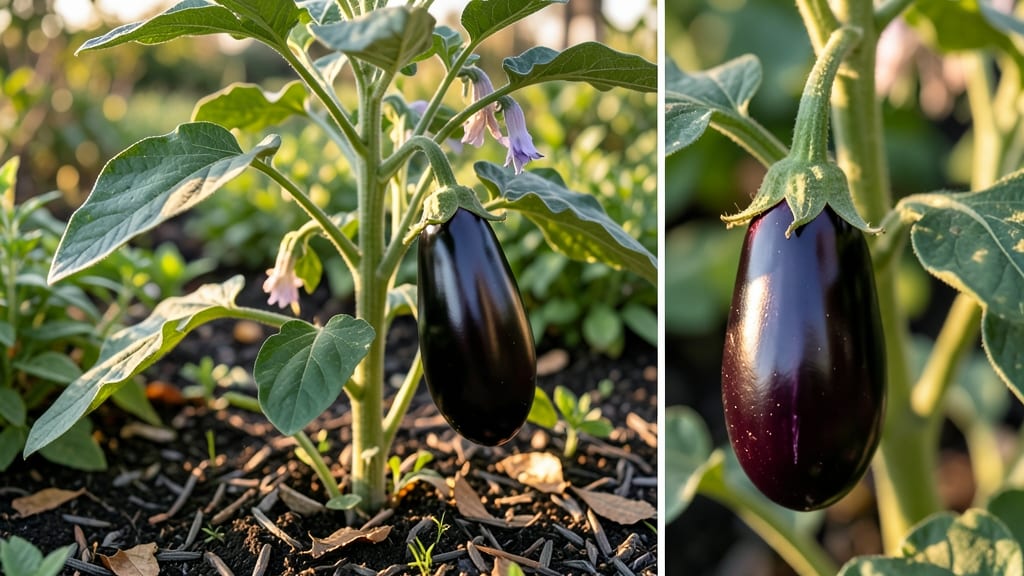
Growing egg stock for your garden from scraps means transforming leftover eggshells into a nutrient-rich soil amendment by drying, crushing, and returning them to the earth. This simple process adds essential calcium while reducing kitchen waste and promoting healthier plant growth.
Eggshells are a natural calcium source that plants crave, especially calcium-loving crops like tomatoes and peppers.
When crushed and returned to soil, they slowly release calcium, which helps prevent common deficiencies like blossom-end rot. 🌱 The process is straightforward: rinse shells, bake at 200°F for 10-15 minutes to kill bacteria, then crush into a fine powder.
You can mix this directly into planting holes or add it to compost piles for gradual nutrient release over weeks.
What makes this method particularly effective is how it mimics natural decomposition. Unlike synthetic fertilizers that provide quick but short-lived nutrients, eggshells break down gradually, feeding plants over time.
This approach also reduces landfill waste while creating a closed-loop system in your garden. For best results, apply crushed shells in early spring or when transplanting calcium-hungry plants.
💡 In This Article
- Why Eggshells Make Excellent Soil Amendments
- Step-by-Step Guide to Composting Eggshells for Garden Growth
Why eggshells make excellent soil amendments
Eggshells are packed with calcium carbonate, the same mineral found in limestone and seashells, making them one of nature's most accessible calcium sources for plants. When crushed and returned to soil, they dissolve slowly over 3-6 months, releasing calcium and magnesium—two critical nutrients for cell wall development.
This gradual release contrasts sharply with synthetic fertilizers, which often provide quick but short-lived nutrient spikes that can lead to runoff.
The real magic happens at the microbial level.
Soil bacteria and fungi break down the eggshell fragments, creating tiny pores that improve soil aeration while releasing calcium ions (Ca²⁺) that plants can absorb through their roots. 🌱 For example, a single crushed eggshell contains about 2.2 grams of calcium carbonate, enough to prevent blossom-end rot in a medium-sized tomato plant.
This condition—where fruit develops dark, sunken spots—occurs when calcium levels drop below 0.1% in plant tissue, typically due to uneven watering or poor soil structure.
Unlike other kitchen scraps like coffee grounds (which acidify soil) or banana peels (rich in potassium but lacking calcium), eggshells provide a balanced mineral boost without disrupting pH levels. Their alkaline nature helps neutralize acidic soils, creating an optimal environment for nutrient uptake.
For instance, adding crushed eggshells to 1 square foot of garden bed can raise soil pH by 0.2-0.5 units over a season, benefiting plants like broccoli and cabbage that thrive in slightly alkaline conditions.
What most gardeners overlook is how eggshells enhance soil structure. The crushed fragments act like tiny "sand particles," improving drainage in heavy clay soils while adding porosity to sandy loams.
This dual benefit reduces compaction and encourages beneficial microbial activity—up to 30% more fungal hyphae in compost piles amended with eggshells. The result? Healthier roots and better water retention during dry spells.
For maximum effectiveness, pair eggshells with other organic matter.
Mixing them with compost or leaf mold creates a "slow-release" nutrient system where calcium is available precisely when plants need it most—during flowering and fruiting stages. 💫 For example, blending crushed eggshells with worm castings (which are rich in nitrogen) creates a balanced fertilizer that supports both leafy growth and fruit development.