
Fertilization
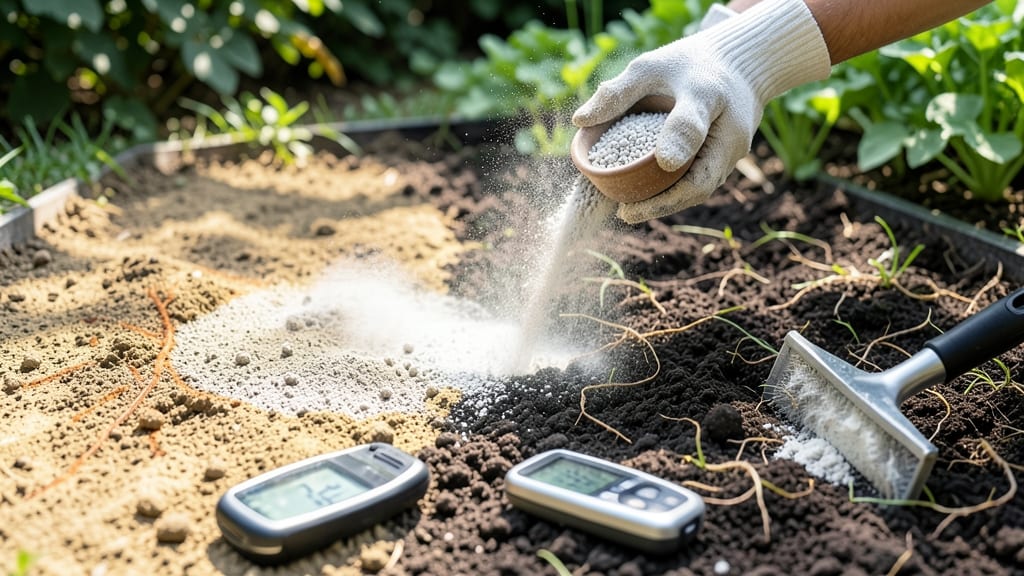
Using calcium carbonate in gardening helps balance soil pH by neutralizing acidity, stops blossom end rot in tomatoes and peppers, and improves plant cell structure. For best results, apply 1-2 pounds per 100 square feet without overdoing it to prevent soil alkalinity.
Calcium carbonate works like a natural soil pH regulator by reacting with acidic compounds in the dirt, transforming them into neutral salts. 🌱 This process creates an optimal growing environment for acid-sensitive crops like tomatoes and peppers, which often suffer from blossom end rot when calcium levels are low.
The key is precision—too much can make soil too alkaline, harming nutrient uptake. I recommend testing soil pH first and reapplying every 3-6 months for container gardens where nutrients deplete faster.
For application, I prefer top-dressing around plants rather than mixing into the soil, as it lets roots gradually absorb the benefits without shocking them. Always water thoroughly after applying to activate the pH adjustment process.
Remember that calcium carbonate takes time to work—don't expect immediate results, but with consistent use, you'll see stronger plants and fewer common garden problems.
💡 In This Article
- How Calcium Carbonate Adjusts Soil Chemistry
- Best Application Methods for Calcium Carbonate in Gardens
How calcium carbonate adjusts soil chemistry
Calcium carbonate (CaCO₃) acts as a natural pH buffer by reacting with acidic compounds like hydrogen ions (H⁺) in soil. When applied, it undergoes a simple but powerful chemical reaction called neutralization, converting acidic hydrogen ions into water and carbon dioxide while releasing calcium ions (Ca²⁺).
This process transforms soil from acidic (pH < 7.0) to neutral (pH 7.0), creating an ideal environment for plants that prefer slightly alkaline conditions like tomatoes and peppers.
The calcium ions released during this reaction serve a dual purpose: they not only balance pH but also become available for plant uptake, strengthening cell walls and preventing disorders like blossom end rot.
In acidic soils (common in regions with heavy rainfall or organic matter decomposition), calcium often binds tightly to other elements, making it unavailable to plants. Calcium carbonate breaks this bond, freeing up essential nutrients like phosphorus and magnesium that were previously locked out due to low pH.
What's fascinating is how this process creates a self-regulating system. The carbon dioxide released during neutralization can react with water in the soil to form carbonic acid (H₂CO₃), which slightly lowers pH again.
However, the calcium carbonate continues to neutralize this new acidity, maintaining a stable pH range of 6.5-7.0—a perfect balance for most garden vegetables. This buffering capacity is why calcium carbonate is so effective compared to quick-lime (calcium oxide) or hydrated lime (calcium hydroxide), which can cause dangerous pH spikes.
For visual learners, imagine soil particles as tiny sponges. In acidic conditions, these "sponges" become waterlogged with hydrogen ions, squeezing out essential nutrients. Calcium carbonate acts like a gentle squeeze to release these trapped nutrients while adding calcium—think of it as adding structural support beams to a wobbly building.
The result is soil that holds onto nutrients better while providing plants with the calcium they need to develop strong cell walls and transport nutrients efficiently.
One common misconception is that calcium carbonate will make all soils alkaline. In reality, it only raises pH until it reaches equilibrium with the soil's natural buffering capacity.
Sandy soils (which have low buffering capacity) will show pH changes more quickly, while clay soils (with high buffering capacity) may require more frequent applications.
This is why soil testing before and after application is crucial—it helps you determine exactly how much calcium carbonate your specific soil needs to reach the ideal pH range.
The timing of this chemical process is also important. While some pH adjustment happens immediately upon watering, the full benefits typically take 2-4 weeks as the calcium carbonate gradually dissolves and reacts with soil components.
This gradual release is what makes it safer than more aggressive soil amendments that can cause pH swings harmful to plant roots.
For gardeners dealing with specific problems like blossom end rot in tomatoes, this chemical process translates directly to visible improvements. The calcium ions help prevent calcium deficiencies in young fruit, while the balanced pH ensures the plant can absorb all necessary nutrients without competition from excess hydrogen ions.
It's like giving your plants both a stable foundation and the right building materials to grow strong and healthy.