
Plants
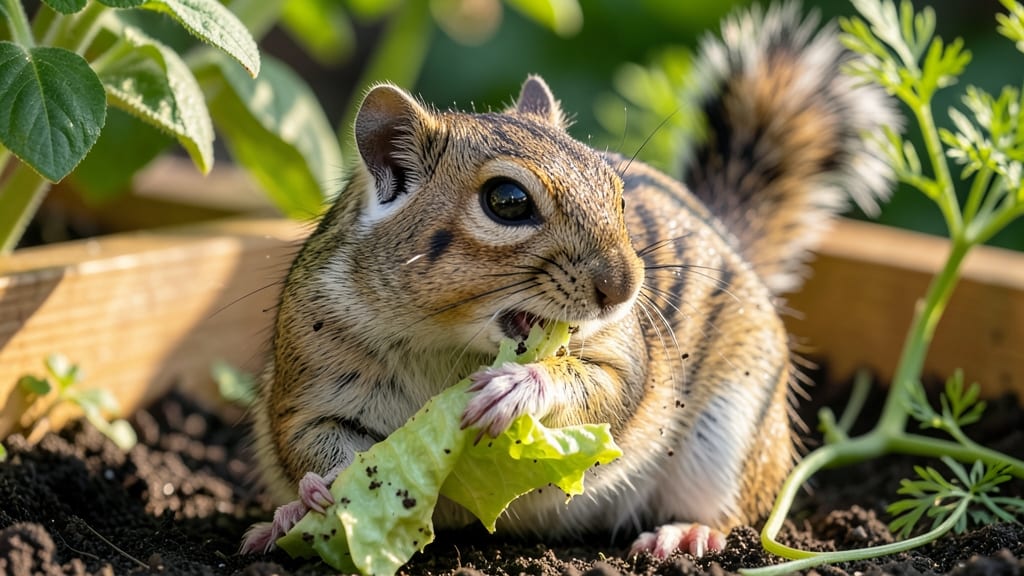
Chipmunks eat garden plants, especially seeds, bulbs, and tender vegetables like lettuce and peas. These small rodents are notorious for raiding gardens during spring and summer when food sources are plentiful.
These energetic foragers aren't just nibbling on scraps—they're strategic eaters with a preference for nutrient-rich foods. 🌱 Chipmunks particularly love seeds and bulbs because they pack high energy, while soft vegetables provide the moisture and protein they need.
Their burrowing habits also mean they'll dig up newly planted bulbs or disturb root systems, leaving your garden looking like a war zone. The good news? Understanding their behavior lets you outsmart them with targeted deterrents.
If you're dealing with a chipmunk invasion, focus on removing their food incentives first. Store harvested veggies securely and avoid leaving fallen fruit or seeds lying around. Physical barriers like hardware cloth around vulnerable plants or raised beds can also make your garden less appealing.
Remember, these aren't malicious creatures—they're just doing what comes naturally in their survival instincts.
💡 In This Article
- Chipmunk Diet: What Garden Plants Are Most Vulnerable
- Effective Chipmunk-Proofing Strategies for Gardens
Chipmunk diet: what garden plants are most vulnerable
Chipmunks are opportunistic foragers with a diet that prioritizes high-energy, nutrient-dense foods. Their natural preference leans toward seeds—especially sunflower, corn, and pumpkin seeds—which provide the fats and carbohydrates they need for their high metabolic rate.
A single chipmunk can consume up to 100 seeds per day during peak foraging season, making seed trays and newly sprouted seedlings prime targets. 🌱 The crunchy texture of seeds also satisfies their natural gnawing instincts, which is why they'll strip seed heads from plants like beans and peas before they even have a chance to mature.
Bulbs and tubers are another major vulnerability in your garden. Chipmunks have strong front teeth designed for digging, and they'll excavate newly planted bulbs like tulips, daffodils, and garlic with surgical precision. Their burrowing creates 1-2 inch deep tunnels that can uproot entire clumps of plants.
The damage isn't just cosmetic—it prevents bulbs from establishing proper root systems, often leading to stunted growth or complete failure. What's particularly frustrating is how they'll return night after night to the same disturbed areas, creating what gardeners call "chipmunk highways" through flower beds.
The protein and moisture in soft vegetables make them irresistible snacks. Leafy greens like lettuce, spinach, and kale are particularly tempting because they're easy to carry back to their burrows in cheek pouches.
A chipmunk can pack 1-2 tablespoons of plant material in each pouch, which they'll stash for later consumption. The key vulnerability here is texture—anything tender enough to tear with their tiny teeth becomes fair game.
Even established plants aren't safe if the chipmunks find them while they're still succulent, which is why they often target young seedlings first.
Seasonal patterns amplify this damage. Chipmunks become most active during spring and summer when food is abundant, but their foraging intensity peaks in late summer when they're preparing for winter hibernation. This is when they'll strip gardens most aggressively, often working in coordinated groups.
Their ecological role as seed dispersers becomes problematic when they consume more than they scatter—studies show chipmunks may eat 30-50% of available seeds in heavily infested areas, creating imbalances in plant populations.
The irony is that while they help some plants spread, they're decimating your carefully cultivated garden in the process.
Understanding these preferences gives you a tactical advantage. For instance, planting seeds deeper than 1 inch makes them harder for chipmunks to dig up, while choosing tougher-skinned vegetables can deter casual nibbling.
The key is recognizing that chipmunks aren't just eating—they're systematically dismantling your garden's infrastructure through both consumption and physical disturbance. This dual-pronged approach is what makes them such effective (if unwelcome) garden engineers. 🐿️