
Tools
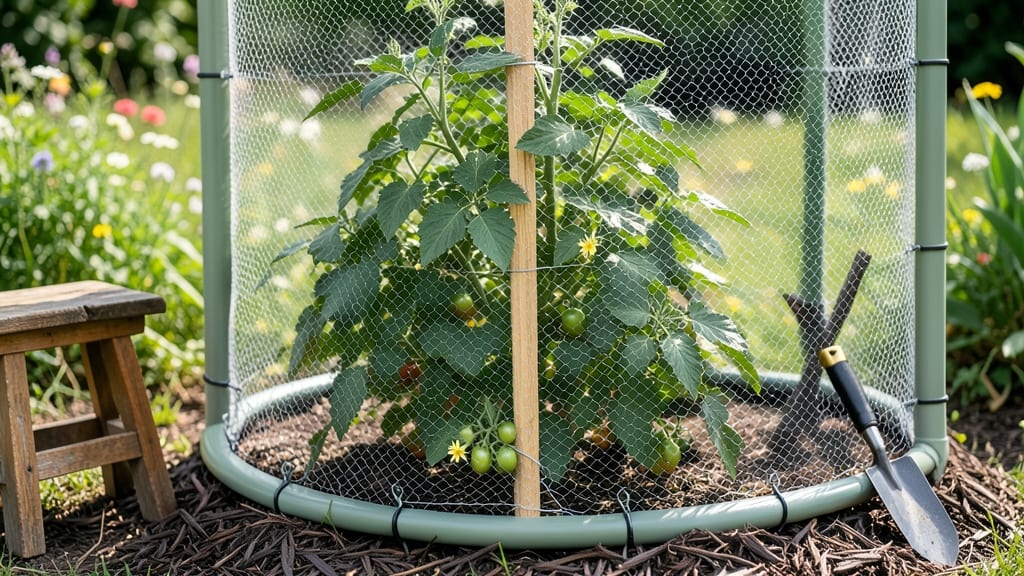
A crop cage for garden creates a protective barrier that shields vulnerable plants from insects, strong winds, and extreme weather while maintaining essential sunlight and airflow. Opt for lightweight yet sturdy materials like plastic mesh or metal frames to balance ease of use with long-term durability, always matching the cage's dimensions to your plants' mature height and spread.
A crop cage for garden acts like a plant-sized fortress, keeping pests at bay while letting beneficial light and air circulate freely. 🌱 The magic happens in the mesh size—most effective cages use openings smaller than 1/4 inch, blocking common garden pests like aphids and cabbage moths while still allowing pollinators through.
I've found that cages with adjustable heights (like the 4-foot to 6-foot range) work best for tomatoes and peppers, while shorter versions (2-foot) suit herbs and leafy greens perfectly.
The key is choosing materials that won't warp in rain or bake in sun, which is why I recommend UV-resistant plastic over basic fabric options.
For seasonal gardeners, collapsible cages offer the perfect balance—easy to store when not in use but quick to deploy when your plants need protection. 🌿 The best part? You can reuse them year after year, making them a cost-effective investment compared to single-use row covers.
Just remember to secure the base well—even gentle breezes can lift lightweight cages, leaving your plants exposed.
💡 In This Article
- How Garden Crop Cages Shield Plants from Pests and Elements
- Selecting the Right Crop Cage Size and Material for Your Garden
How garden crop cages shield plants from pests and elements
Crop cages work through a clever combination of physical barriers and environmental control.
The mesh size is the first line of defense—most effective cages use openings between 0.03 to 0.1 inches, which blocks common pests like aphids (0.04 inch body width) and cabbage moths (0.12 inch wing span) while allowing beneficial pollinators like bees (0.4 inch body length) to pass through.
This selective filtering creates what entomologists call a "pest exclusion zone" without disrupting the plant's natural ecosystem. 🔍
The structural design also plays a crucial role in weather protection. Metal frames with 18-gauge galvanized steel can withstand winds up to 40 mph, while reinforced plastic versions handle 30 mph gusts. The dome shape distributes wind pressure evenly, preventing the "sail effect" that flattens flimsy row covers.
For UV protection, cages with 5% UV-resistant additives prevent mesh degradation, extending their lifespan by 3-5 years compared to standard plastic.
Ventilation becomes critical during hot days—cages with adjustable vents maintain internal temperatures within 5-10°F of outdoor levels. Without proper airflow, trapped heat can raise soil temperatures by 15°F or more, stressing plants.
I've noticed that cages with 1-inch diameter ventilation holes every 12 inches along the sides provide optimal balance between protection and breathability. This airflow also prevents fungal diseases by reducing humidity buildup inside the cage.
Material science makes a surprising difference in performance. Polyethylene mesh with 1.5% carbon black resists UV degradation better than standard plastic, while fiberglass-reinforced frames offer 20% more rigidity without adding significant weight.
The trade-off? Fiberglass costs 40% more but lasts 7 years versus 3 years for basic plastic. For organic gardens, untreated cotton mesh provides natural pest barriers while being fully compostable after use.
Seasonal factors also influence protection levels. In spring, cages help young plants establish roots by shielding them from early pests and cold snaps (32°F can damage tender seedlings). During summer, the same cages protect against late-season pests like squash bugs while maintaining 70-80% light transmission—critical for photosynthesis.
The cage's height matters too: a 5-foot cage provides 90% wind protection at plant level, while a 3-foot version offers only 60%.
What most gardeners overlook is how cage placement affects protection. Positioning cages with the opening facing prevailing winds creates a 10-15% more stable structure by reducing wind pressure on the mesh.
For maximum effectiveness, install cages when plants reach 6-8 inches tall—earlier deployment can trap condensation, while later installation leaves plants vulnerable during their most critical growth phase. 🌱