
Tools
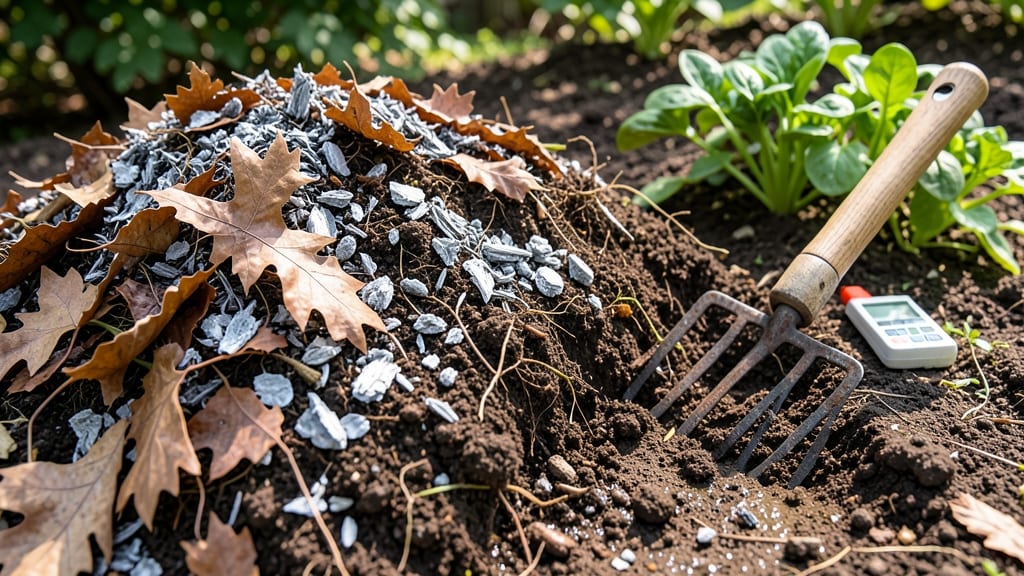
Wood ash is good for garden soil when used carefully, as it boosts pH levels in acidic dirt and adds potassium, but too much can throw off nutrient balance and damage acid-loving plants like blueberries. Always test your soil first and apply thin layers.
Wood ash works as a natural soil amendment because it’s alkaline, which helps neutralize overly acidic soil. 🌱 The potassium content gives plants a quick nutrient boost, especially leafy greens and vegetables like tomatoes.
However, the risk comes from its high pH—if your soil is already neutral or alkaline, adding ash could make it too basic for sensitive plants. I recommend mixing it into compost or spreading lightly around the base of plants that thrive in slightly alkaline conditions, like squash or beans.
For best results, limit applications to 1-2 pounds per 100 square feet and always test your soil’s pH before and after. A simple DIY test kit can show you whether your soil needs this adjustment or if you’re better off using organic matter like compost to improve texture instead.
Think of wood ash as a tool—not a cure-all—for fine-tuning your garden’s chemistry.
💡 In This Article
- How Wood Ash Affects Soil pH and Plant Nutrition
- Safe Ways to Use Wood Ash in Your Garden
How wood ash affects soil pH and plant nutrition
Wood ash raises soil pH because it contains calcium carbonate and potassium oxide, both alkaline compounds that neutralize acidic hydrogen ions in the soil. When mixed into acidic soil (pH <6.5), these minerals react with acidic compounds like aluminum and manganese, making them less available to plants.
For example, if your soil tests at pH 5.5 (very acidic), adding wood ash can shift it toward neutral (pH 7.0), where most vegetables thrive. The chemical reaction happens quickly—within days of application—because the ash dissolves in water, releasing these alkaline minerals.
The potassium in wood ash (about 3-5% by weight) provides an immediate nutrient boost, especially for plants like tomatoes and peppers that need potassium for fruit development. Calcium and magnesium in ash also improve soil structure by encouraging beneficial microbial activity.
However, the ash’s alkalinity can backfire: if your soil is already neutral or alkaline (pH 7.0+), adding ash can push the pH too high, locking out essential nutrients like iron and phosphorus. This is why acid-loving plants like blueberries and azaleas wilt when exposed to high-pH soil.
Think of wood ash as a pH fine-tuner, not a one-size-fits-all solution. A ½-inch layer spread over garden beds can adjust pH by 0.5-1.0 points in acidic soil, but overapplication (more than 2 lbs per 100 sq ft) risks creating a harsh, sterile environment.
The key is balance—ash works best in small doses for specific needs, like reviving tired vegetable beds or preparing soil for alkaline-tolerant crops like squash or corn.
Here’s what happens under the microscope: Wood ash particles break down, releasing calcium ions (Ca²⁺) that replace hydrogen ions (H⁺) in the soil’s cation exchange sites. This swap reduces acidity while adding potassium (K⁺), which plants absorb through their roots.
The process is reversible—if you overdo it, rain can leach away excess minerals, but the pH shift lingers longer. That’s why testing soil before and after application is critical.
For visual feedback, observe plant leaves: Yellowing between veins (chlorosis) signals iron deficiency from high pH, while lush green growth on tomatoes or peppers confirms the ash is helping.
The texture of ash—fine and powdery—means it blends easily into topsoil, but avoid direct contact with plant stems to prevent burns. 🌿
Advanced gardeners sometimes use ash to "sweeten" compost piles, where it helps break down acidic materials like pine needles. Just mix 1 part ash to 20 parts compost to avoid over-alkalizing the pile.
The heat from decomposition accelerates the pH adjustment, making it a double-edged tool for both soil and compost.