
Planting
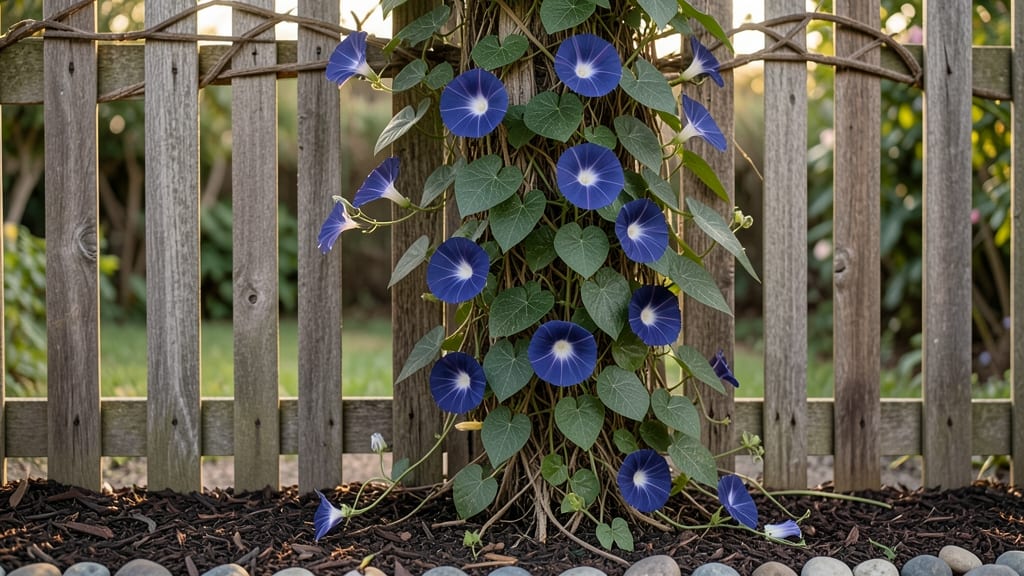
Growing an ascended fence garden transforms your vertical space into a thriving herb garden that saves room while maximizing sunlight and airflow. Use lightweight planters like fabric pockets or wooden crates to create a stylish, functional display perfect for small yards or balconies.
Vertical gardening on fences isn't just space-efficient—it's a game-changer for urban gardeners or anyone with limited ground space. 🌿 The key is selecting planters that balance weight and drainage, like fabric pockets that wick moisture away or wooden crates with built-in holes.
I've found herbs like basil and thyme thrive in these setups because they don't need deep soil but love the airflow. Plus, the aesthetic boost turns your fence into a living, edible art piece!
For best results, position your planters where they'll get at least 6 hours of sunlight daily, and secure them tightly to prevent wind damage. Many people overlook the importance of spacing—leave about 6-12 inches between planters to avoid overcrowding and improve air circulation, which keeps pests at bay.
💡 In This Article
- Choosing the Best Vertical Planters for Fence Gardens
- Step-by-Step Guide to Building a DIY Fence Herb Garden
Choosing the best vertical planters for fence gardens
Vertical planters for fence gardens must balance three critical factors: weight distribution, drainage efficiency, and material durability. Fabric pockets, like those made from felt or coconut coir, are lightweight yet sturdy enough to hold herbs while allowing excess water to evaporate quickly.
Their breathable nature prevents root rot—a common issue with heavier materials like clay pots that can trap moisture. Wooden crates, often lined with landscape fabric, offer a rustic charm but require pre-drilling drainage holes to mimic the wicking properties of fabric.
The weight of your planters directly impacts fence stability. Fabric pockets typically weigh 1-2 pounds when empty, while wooden crates can range from 5-15 pounds depending on size. For a 6-foot fence section, distribute weight evenly by spacing planters 12-18 inches apart.
This prevents sagging and ensures each herb gets adequate sunlight without shading its neighbors. 🌱 For example, basil thrives in fabric pockets because its shallow roots don't need deep soil, while rosemary—with its woody stems—does better in deeper wooden crates with added compost.
Drainage is non-negotiable for herb health. Without proper drainage, roots suffocate and attract fungus gnats. Fabric pockets excel here with their natural permeability, while wooden crates need ¼-inch drainage holes drilled on the bottom and sides.
Pro tip: Line crates with a 1-inch layer of gravel before adding soil to create an extra drainage barrier. This two-layer system mimics natural soil aeration, which is especially crucial for herbs like parsley that hate soggy roots.
Material choice also affects maintenance. Fabric pockets require less frequent watering because they dry faster, but they may need replacement every 1-2 years due to UV degradation. Wooden crates last longer (5+ years) but demand seasonal sealing to prevent warping.
For urban environments with fluctuating temperatures, I recommend treating wood with a non-toxic sealant to maintain its structural integrity while keeping it safe for edible herbs.
Consider your fence's material when selecting planters. Metal fences benefit from fabric pockets to prevent rust transfer, while wooden fences can handle heavier crates. Always use L-shaped brackets or heavy-duty zip ties to secure planters—wind can exert up to 20 pounds of force per square foot during storms.
This is why I always recommend testing planter stability during installation by gently pulling upward to ensure they won't detach.
For aesthetic harmony, coordinate planter colors with your fence. Dark green fabric pockets blend seamlessly with wooden fences, while natural wood tones complement metal railings. Herbs like thyme and oregano add vertical texture, while trailing plants like nasturtiums soften the edges.
The visual impact isn't just decorative—it creates a microclimate that retains 2-3°F warmer temperatures in the planters, extending your growing season by 2-4 weeks in cooler climates.
Remember: the best planter system adapts to your specific herbs and climate. In arid regions, prioritize moisture-retentive materials like coconut coir pockets, while humid areas benefit from elevated wooden crates with enhanced airflow.
Start with a small section—perhaps 3-4 planters—to test what works before committing to a full fence transformation. 💫