
Planting
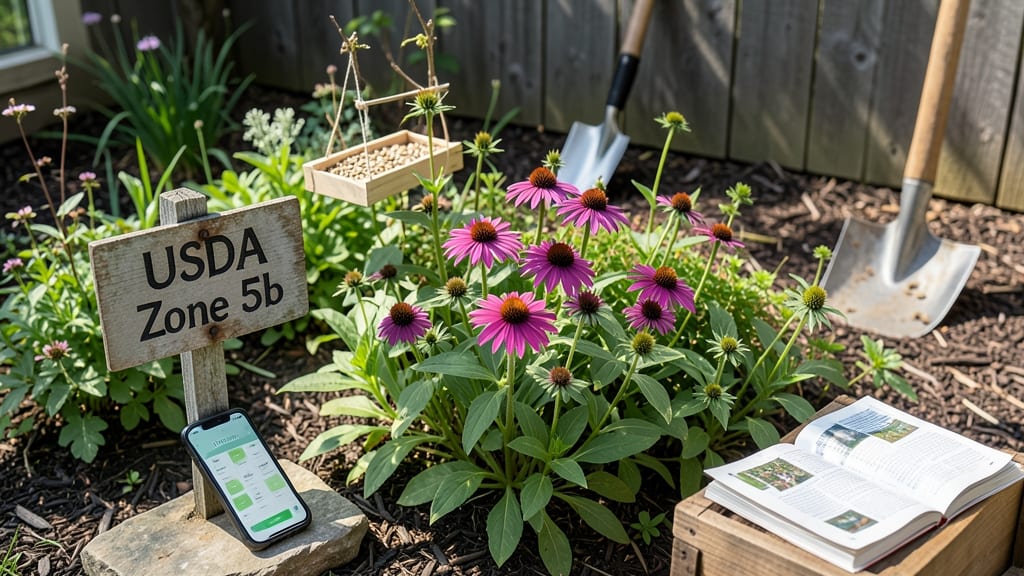
Cincinnati gardening falls under USDA Hardiness Zones 6a and 6b, where winter lows range from -10°F to -5°F, creating a balanced climate for both cold-tolerant plants and seasonal blooms. This zone classification determines planting windows and frost-sensitive species that thrive locally.
This zone designation isn't just about numbers—it directly impacts when you can plant, which varieties survive winter, and how your garden performs year-round. 🌱 For example, Zone 6a's slightly colder winters mean you'll need to protect tender perennials like lavender or rosemary with mulch, while Zone 6b's milder stretches allow for earlier spring planting of frost-sensitive annuals.
The city's humid summers also favor plants that handle heat and humidity well, like black-eyed Susans or coneflowers, which become staple perennials in local gardens.
Understanding these microclimates helps you avoid common pitfalls. Many gardeners mistakenly plant tropical species that won't survive Cincinnati's winters, only to lose them to early frosts.
The key is selecting plants with proven Zone 6a/6b hardiness, especially when dealing with Cincinnati's unpredictable spring frost dates that can arrive as late as mid-April.
💡 In This Article
- Understanding Cincinnati’s USDA Zone 6 Climate Impact
- Best Plants for Cincinnati’s Zone 6 Gardens
Understanding Cincinnati’s USDA Zone 6 climate impact
The USDA Hardiness Zone classification for Cincinnati—6a and 6b—is determined by the average annual minimum temperature, which ranges from -10°F to -5°F. This classification reflects Cincinnati's position in the transition zone between colder northern climates and milder southern regions, creating a unique balance of seasonal extremes.
The 10°F difference between 6a and 6b may seem small, but it significantly impacts plant survival during winter dormancy and spring emergence.
Here's what those temperatures mean in practice: In Zone 6a, plants must withstand prolonged periods below 0°F, while Zone 6b experiences slightly milder winters where temperatures rarely drop below -5°F.
This distinction affects last frost dates, with Zone 6a typically seeing frost as late as May 15 and Zone 6b around May 1.
The city's humid continental climate also introduces summer heat waves that can push temperatures to 90°F+, requiring plants to handle both winter cold and summer humidity.
The transition between seasons creates Cincinnati's gardening rhythm. Spring arrives gradually, with average last frost dates around April 15, but gardeners must remain vigilant for late frosts that can damage tender seedlings.
Summer's high humidity favors plants that thrive in moist conditions, while fall's crisp air allows for extended growing seasons for hardy vegetables like kale and spinach. The 100-day growing season in Zone 6b gives gardeners an edge for warm-season crops compared to Zone 6a.
Understanding these patterns helps explain why certain plants thrive. For instance, peonies—with their Zone 3-8 hardiness—flourish in Cincinnati's climate because they handle both winter dormancy and summer heat.
Similarly, native species like Virginia bluebells (Zone 3-9) emerge early in spring when soil temperatures reach 50°F, taking advantage of Cincinnati's gradual warming. The city's microclimates also create variations: Urban areas may experience 2-3°F warmer temperatures than rural zones due to the "urban heat island" effect.
What most gardeners don't realize is how Cincinnati's climate triggers plant dormancy. When nighttime temperatures consistently drop below 45°F in fall, many perennials enter dormancy, conserving energy until spring. This natural cycle explains why some plants bloom earlier in Zone 6b than 6a—warmer winters break dormancy sooner.
The 10°F difference between zones can mean a 2-3 week difference in bloom times for species like tulips or daffodils.
Consider these key factors when planning your garden:
- Winter protection: Zone 6a requires 2-3 inches of mulch for tender perennials, while Zone 6b may need only 1-2 inches
- Spring planting: Wait until after May 1 for frost-sensitive annuals in Zone 6a, after April 15 in Zone 6b
- Summer care: Increase watering frequency during 90°F+ heat waves to prevent stress in Zone 6 plants
- Fall prep: Plant bulbs by October 15 to establish roots before winter dormancy
The science behind these patterns involves chilling requirements for many plants. For example, fruit trees like apples need 400-800 hours below 45°F to produce fruit, which Cincinnati's climate reliably provides. This explains why apple orchards thrive in the region while tropical fruit trees remain out of reach. 🌳