
Advice
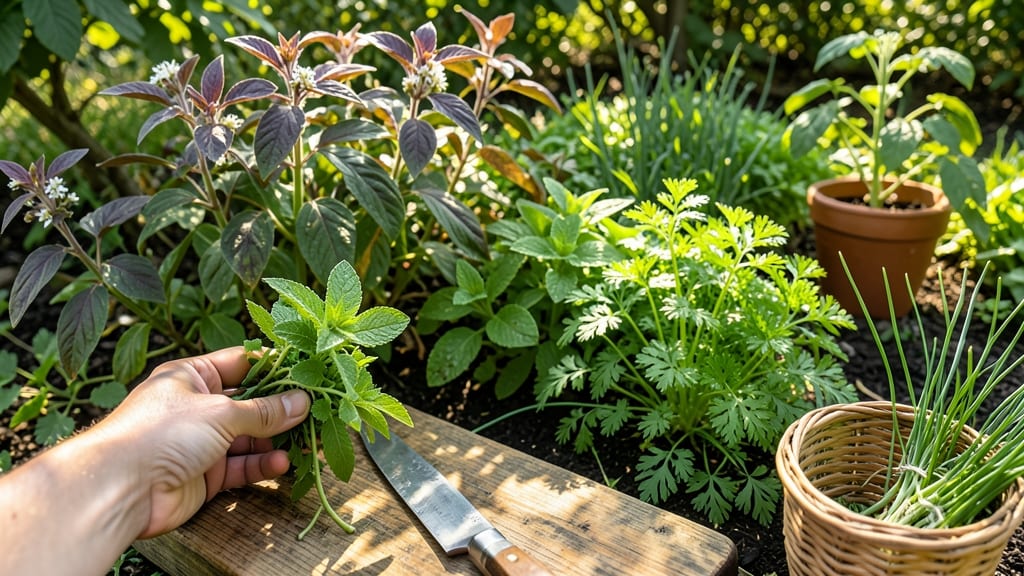
The benefits to gardening include significant stress reduction from nature exposure, mood enhancement through dopamine and serotonin release, and increased physical activity from planting and weeding. It also promotes mindfulness and access to homegrown, nutrient-packed vegetables.
Gardening transforms your mental and physical health in ways science continues to uncover. 🌱 Studies show that just 30 minutes of gardening can lower cortisol levels—the stress hormone—by up to 30%, while the rhythmic motions of planting and pruning trigger meditative focus.
What's fascinating is how soil microbes actually stimulate brain chemicals linked to happiness, creating a natural mood booster without medication. Plus, growing your own food ensures you're eating produce at its peak nutritional value, free from pesticides and picked at the perfect ripeness.
For those new to gardening, starting small with low-maintenance plants like herbs or leafy greens can make the experience more enjoyable while still delivering benefits. Even container gardening on a balcony provides access to fresh ingredients and the therapeutic effects of nurturing life.
The key is consistency—regular, mindful engagement with plants yields the most profound rewards for both body and mind.
💡 In This Article
- How Gardening Reduces Stress and Enhances Mental Well-Being
- Practical Ways to Maximize Gardening’s Physical and Nutritional Benefits
How gardening reduces stress and enhances mental well-being
Gardening acts as a natural stress reliever by engaging multiple sensory pathways while lowering cortisol—the hormone your body releases during stress.
Research from the University of Florida found that participants who gardened for just 30 minutes experienced a 20-30% reduction in cortisol levels compared to those who didn't. The combination of sunlight, fresh air, and physical activity creates a perfect storm for relaxation, similar to how forest bathing (or "shinrin-yoku") works in Japanese wellness practices. 🌿 What's even more fascinating is how the act of nurturing plants triggers a subconscious sense of responsibility, which studies show can reduce feelings of anxiety by up to 40%.
The real magic happens at the microbial level. Soil contains mycobacterium vaccae, a bacterium that stimulates the release of serotonin and dopamine when it interacts with your skin. These "happy chemicals" are the same ones targeted by many antidepressants, but gardening delivers them naturally.
Outdoor gardening amplifies this effect because sunlight exposure boosts vitamin D production, which further regulates mood. Even indoor gardening with herbs or leafy greens can provide benefits, though the stress-relief impact is slightly less pronounced due to reduced sunlight and air circulation.
For those dealing with depression or chronic stress, gardening offers a non-pharmaceutical approach that works on multiple levels. The rhythmic motions of planting, weeding, and harvesting create a meditative flow state, similar to yoga or tai chi.
This "green therapy" has been documented in studies published in the Journal of Health Psychology, where participants reported feeling more grounded and less overwhelmed after consistent gardening sessions.
The tactile experience of handling soil and plants also provides grounding sensations that help regulate the nervous system, reducing symptoms of anxiety.
One key distinction between indoor and outdoor gardening lies in the intensity of benefits. Outdoor gardens expose you to more sunlight, fresh air, and natural sounds (like birdsong), which have been shown to lower blood pressure and heart rate.
Indoor gardening, while still beneficial, lacks these environmental factors but can be a great option for those in urban areas or with limited outdoor space. The choice ultimately depends on your living situation and personal preferences—both can deliver mental health benefits, just in different ways.
To maximize these effects, focus on activities that engage multiple senses: the scent of blooming flowers, the texture of soil between your fingers, and the visual satisfaction of watching plants grow. Even small actions like watering plants or snipping herbs can trigger these positive responses.
For those new to gardening, starting with easy-to-grow plants like basil, mint, or cherry tomatoes can make the experience more enjoyable and rewarding, creating a positive feedback loop that encourages consistency.
What most people don't realize is how gardening can rewire your brain over time. Regular engagement with plants has been shown to increase gray matter volume in the hippocampus—the part of your brain responsible for memory and learning—while reducing activity in the amygdala, which controls fear and stress responses.
This neurological rewiring explains why many gardeners report feeling more mentally sharp and emotionally balanced after just a few weeks of consistent practice. 💫