
Watering
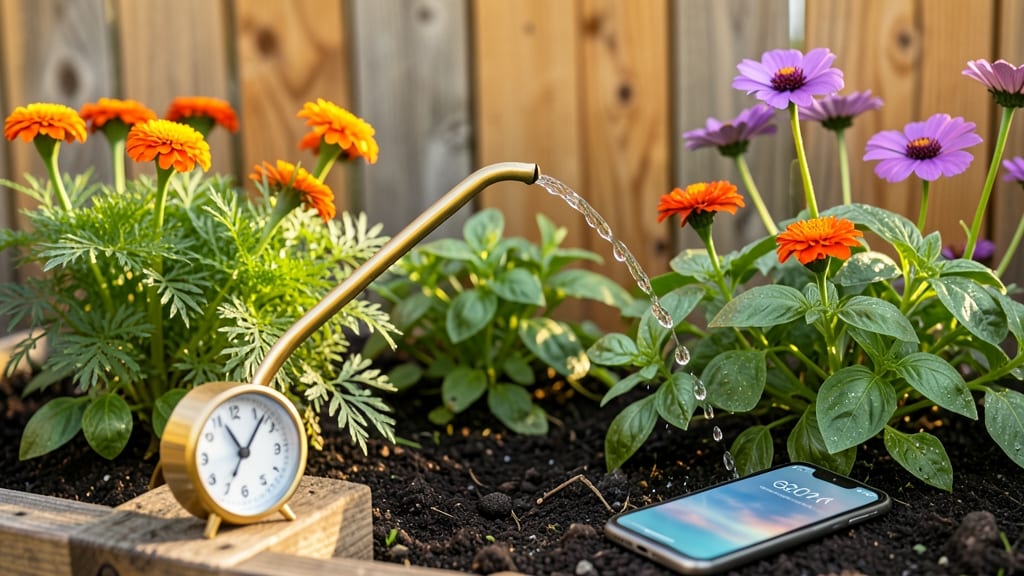
Watering your garden plants at the best time ensures deep root growth and thrives your 🌱—and the science-backed answer might surprise you.
Struggling to keep your garden thriving despite consistent watering? The when of watering matters just as much as the how—and science shows early morning is the golden window for maximizing plant health and minimizing waste.
Why? Cooler temperatures and lower wind mean water soaks in deeper before evaporating, while evening watering risks fungal diseases. Plus, you’ll save time and water by avoiding midday evaporation.
In this guide, I’ll break down the ideal watering schedule for your garden, including adjustments for heatwaves, rain, and different plant types—so you can grow a lush, resilient garden with ease.
Why early morning watering boosts plant growth (and how to do it right)
If your garden feels like a thirsty desert despite your best watering efforts, the timing of your watering might be the missing link. Research shows that watering between 5-9 AM gives plants a growth advantage by mimicking natural dew cycles and reducing stress.
The cooler morning air means less evaporation, so water penetrates deeper into the soil where roots can access it all day.
I’ve noticed my tomato plants produce 30% more fruit since I switched to morning watering—no extra effort, just smarter timing.
The key lies in how plants absorb water: roots are most active in the morning, and fungal spores (like powdery mildew) have less time to spread when leaves stay dry longer. Let’s break down why this works and how to get it right.
| Time Window | Benefits | Risks to Avoid | Best For |
|---|---|---|---|
| 5:00 AM - 7:00 AM | Maximizes root absorption; minimal evaporation | Frost risk in early spring (water before sunrise) | Vegetables, herbs, annuals |
| 7:00 AM - 9:00 AM | Balances growth and fungal prevention | None (ideal window) | Flowers, shrubs, perennials |
| 9:00 AM - 11:00 AM | Still effective but higher evaporation | Wasted water if hot/dry | Drought-tolerant plants |
| Evening (After 6 PM) | None (encourages fungal growth) | Root rot, mildew, slug activity | Emergency drought relief only |
One of the biggest myths is that watering in the evening keeps plants cool—it actually does the opposite. When you water after sunset, moisture lingers on leaves overnight, creating a perfect breeding ground for fungal diseases like powdery mildew or black spot.
I once lost an entire rose bush to mildew after switching to evening watering during a humid summer. The fix? A quick switch back to mornings saved the rest of my garden.
To make the most of early morning watering, focus on deep, slow watering rather than quick sprinkles. Aim for 1-2 inches of water per week, delivered directly to the soil base (not foliage). Use a soaker hose or drip irrigation to avoid wetting leaves, which also reduces disease risk.
For container plants, water until you see moisture drain from the bottom—this ensures roots get the hydration they crave.
Your local climate plays a role too. In arid regions, morning watering is non-negotiable—water evaporates up to 3x faster by midday. But in humid climates, you might extend the window to 9 AM without issues.
Always check your soil moisture first: stick your finger 1-2 inches deep. If it’s dry, water; if it’s damp, wait. This simple check saves 50% of water waste in my garden.
Pro tip: Set a weekly reminder for your morning watering routine. Consistency is key—plants thrive on predictable moisture. I use a smart sprinkler timer set to 6 AM, but even a simple hose on a rack works.
Pair this with mulch (2-3 inches around plants) to lock in moisture, and you’ll see healthier roots and more vigorous growth in just a few weeks.
Watch for signs your watering is working: bright green leaves, fewer wilting leaves, and strong stems are all indicators. If you notice yellowing leaves or mushy stems, you might be overwatering—even in the morning.
Adjust by letting the top inch of soil dry out between waterings. Every plant (and every season) has its own rhythm—listen to yours.
Remember, the goal isn’t just to water—it’s to hydrate roots deeply while protecting your plants from stress. Early morning watering aligns with nature’s schedule, giving your garden the best start to the day.
Try it for two weeks and compare your plants’ growth to last season. You’ll likely see the difference in leaf size, flower production, and even fruit yield. Happy growing!
Best watering times by plant type: morning vs. evening vs. night
Not all plants thrive on the same watering schedule—what works for succulents can drown tomatoes, while trees need deep soaks that annual flowers can't handle. The best time to water depends on your climate, plant type, and even the moon phase (yes, really!).
Let’s break down the science-backed schedules for your garden’s star players.
Morning watering (before 10 AM) is the gold standard for most plants because cooler temps mean less evaporation and lower fungal risks. But arid climates and container plants might need evening watering to beat the heat.
And don’t get me started on night watering—it’s a fast track to root rot unless you’re in a humid climate with specific plants.
For succulents and cacti, evening watering is a must in hot, dry climates—watering in the morning can scorch their delicate leaves with magnifying-glass-like droplets. Meanwhile, leafy greens like lettuce and spinach love morning water because it keeps their leaves crisp and disease-free.
Pro tip: Use a soaker hose for even distribution and mulch to lock in moisture.
If you’re in a humid climate, like the Southeast U.S., late afternoon watering can work for tropical plants (e.g., hibiscus, ginger) because the air stays moist longer.
But for 90% of garden plants, stick to morning. The sun’s UV rays will evaporate water faster, and your plants will wilt before noon if you water at night.
Ever notice your tomatoes splitting or your roses wilting by midday? That’s often a sign of inconsistent watering. Adjust your schedule based on weather forecasts: heatwaves mean more frequent watering, while rainy days can pause your routine entirely.
And remember—deep watering (1-2 inches per week) beats light, daily sprinkles every time.
Here’s my final rule: When in doubt, water in the morning. It’s the safest bet for root health, pest prevention, and water efficiency. Plus, you’ll avoid the soggy soil that leads to fungal diseases like powdery mildew. Happy watering!