
Tools
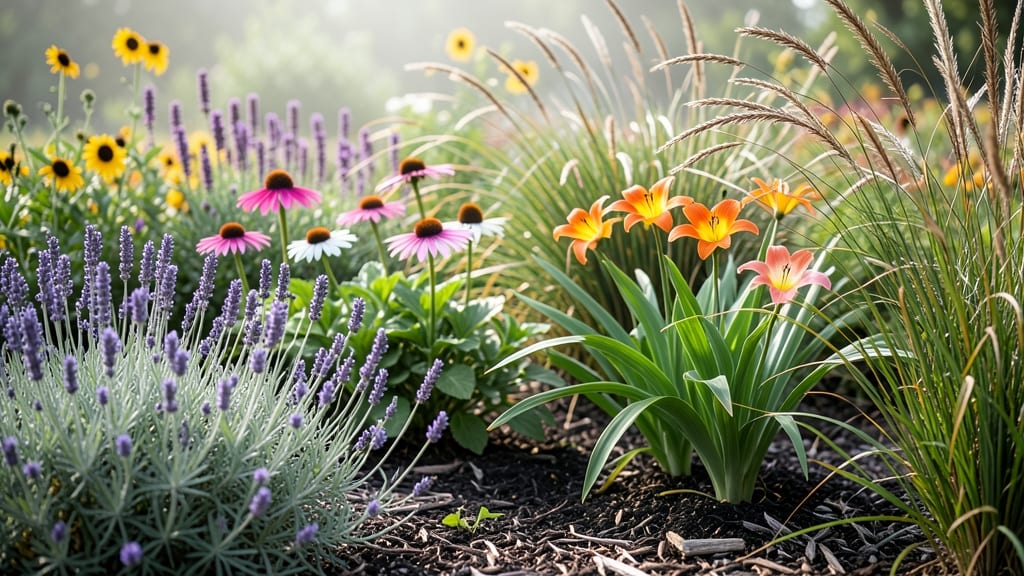
The best place for a garden is where sunlight, soil, and space align perfectly for your plants’ needs — and that spot might surprise you.
Want a garden that thrives year after year? The location you choose determines 80% of your success—sunlight exposure, soil quality, and space availability all play critical roles in plant health and yield. Too much shade?
Your tomatoes won’t ripen. Too little space? Your herbs will compete for nutrients. Even in a small yard, the right spot can transform a struggling patch into a lush, productive oasis.
From urban balconies to rural plots, every garden has hidden potential. I’ll show you how to assess sunlight patterns, test soil health, and maximize space—whether you’re growing veggies, flowers, or herbs. No more guessing whether your garden will thrive or just survive.
By the end, you’ll know exactly where to dig, what to plant, and how to create a space that works as hard as you do. Ready to turn your green space into a high-yielding garden?
How sunlight exposure determines your garden's success
Sunlight is the lifeblood of your garden—without it, even the hardiest plants will struggle. 6-8 hours of direct sunlight is ideal for most vegetables and flowers, but some thrive in partial shade (3-6 hours) or even full shade (less than 3 hours).
Misjudging sunlight exposure can lead to leggy plants, poor flowering, or stunted growth. The key is understanding how sunlight shifts across your property throughout the day and season.
Start by observing your yard at different times—morning, noon, and evening. South-facing areas typically get the most sun, while north-facing spots may stay in shade. Even small changes in elevation or nearby trees can drastically alter light exposure.
Use a sunlight mapping tool or mark your yard with stakes to track sunlight patterns for at least a week before planting.
Here’s how different plants respond to sunlight—use this as your guide to placement:
| Plant Type | Sunlight Needs | Best Placement | Examples |
|---|---|---|---|
| Vegetables | Full Sun (6-8 hrs) | South or west side | Tomatoes, peppers, cucumbers |
| Herbs | Full Sun to Partial Shade | East or south side | Basil, rosemary, thyme |
| Flowers | Partial Shade (3-6 hrs) | North or east side | Impatiens, ferns, hostas |
| Shade-Loving Plants | Full Shade (<3 hrs) | Under trees or north walls | Caladiums, astilbe, lungwort |
| Fruit Trees | Full Sun (8+ hrs) | Open, south-facing area | Apples, peaches, cherries |
For full-sun plants, prioritize the hottest, driest spots in your yard—these areas often have the best drainage too. Partial-shade plants thrive in transition zones, like the edge of a shaded patio or under high branches.
Meanwhile, shade-loving plants should go where sunlight barely touches, such as under mature trees or along north-facing walls.
Seasonal shifts matter too. A spot that gets 6 hours of sun in summer might only receive 3 hours in winter due to lower sun angles.
Adjust your layout accordingly—place heat-sensitive plants like lettuce in slightly shadier spots during peak summer months, or use seasonal shade cloth to protect delicate foliage.
If your yard lacks ideal sunlight, consider container gardening or vertical planters to move plants closer to sunny walls or rooftops. Even a south-facing window can support herbs and leafy greens with a sunny windowsill.
The goal is flexibility—match your plants to the light you have, not the other way around.
Pro tip: Group plants with similar sunlight needs together to simplify care. For example, cluster tomatoes, basil, and peppers in one full-sun bed and hostas, ferns, and impatiens in a shadier corner. This microclimate zoning reduces stress on your plants and makes watering and fertilizing more efficient.
Don’t overlook reflective surfaces like light-colored walls or gravel paths—they can bounce extra sunlight onto nearby plants, boosting growth. Conversely, dark surfaces absorb heat, which may stress sun-loving plants in hot climates. Balance is key!
Finally, remember that evening sun can be beneficial for some plants, like tomatoes and peppers, which need warmth to set fruit. Observe how sunlight lingers in your garden after sunset and use that to your advantage.
With the right placement, you’ll maximize your garden’s potential—no matter its size or sunlight conditions.
🌱
Soil quality and drainage: the hidden factors that make or break gardens
Even the most beautiful garden location can fail if the soil quality and drainage are poor. I’ve seen stunning sunlit spots turn into soggy, nutrient-deprived zones where plants struggle to survive.
The right soil isn’t just dirt—it’s a living ecosystem that determines whether your tomatoes thrive or your roses wilt.
Before digging, test your soil’s pH balance, texture, and drainage rate. These three factors often go overlooked, yet they’re the foundation of a healthy garden.
A simple soil test kit (costing under $20) can reveal whether your soil is too acidic, compacted, or waterlogged—problems that are easy to fix with the right amendments.
🚨
Signs of bad drainage: Puddles after rain, yellowing leaves, moldy soil, or plants that topple over. If water sits for more than 6 hours, your soil needs urgent help. Amend with sand or perlite for heavy clay, or compost for sandy soil to improve structure.
Start by assessing your soil’s texture. Grab a handful and squeeze—does it crumble (sandy), form a loose ball (loamy), or stick together tightly (clay)? Loamy soil is ideal, but most gardens need adjustments.
For clay soil, mix in compost and coarse sand to break up compaction. For sandy soil, add peat moss or aged manure to retain moisture.
Next, check drainage with a simple test: Dig a 12-inch hole, fill it with water, and time how long it takes to drain. If it’s slower than 4 hours, your soil is too dense.
Amend with gypsum or organic matter to improve airflow. For fast-draining soil (under 1 hour), add compost or coconut coir to slow water loss.
Don’t forget pH testing—most plants prefer a slightly acidic to neutral range (6.0–7.0). Use a home test kit or send a sample to your local cooperative extension office for precise results. Blueberries love acidity (4.5–5.5), while lavender thrives in alkaline soil (7.0–8.0).
Adjust with lime (to raise pH) or sulfur (to lower pH) as needed.
Once you’ve tested, amend your soil with organic matter like compost, leaf mold, or well-rotted manure. These add nutrients, improve structure, and encourage beneficial microbes.
For local solutions, check with nearby nurseries—they often recommend region-specific amendments. A well-amended garden isn’t just prettier; it’s more productive and resilient against pests and disease.